
Last updated October 30, 2026
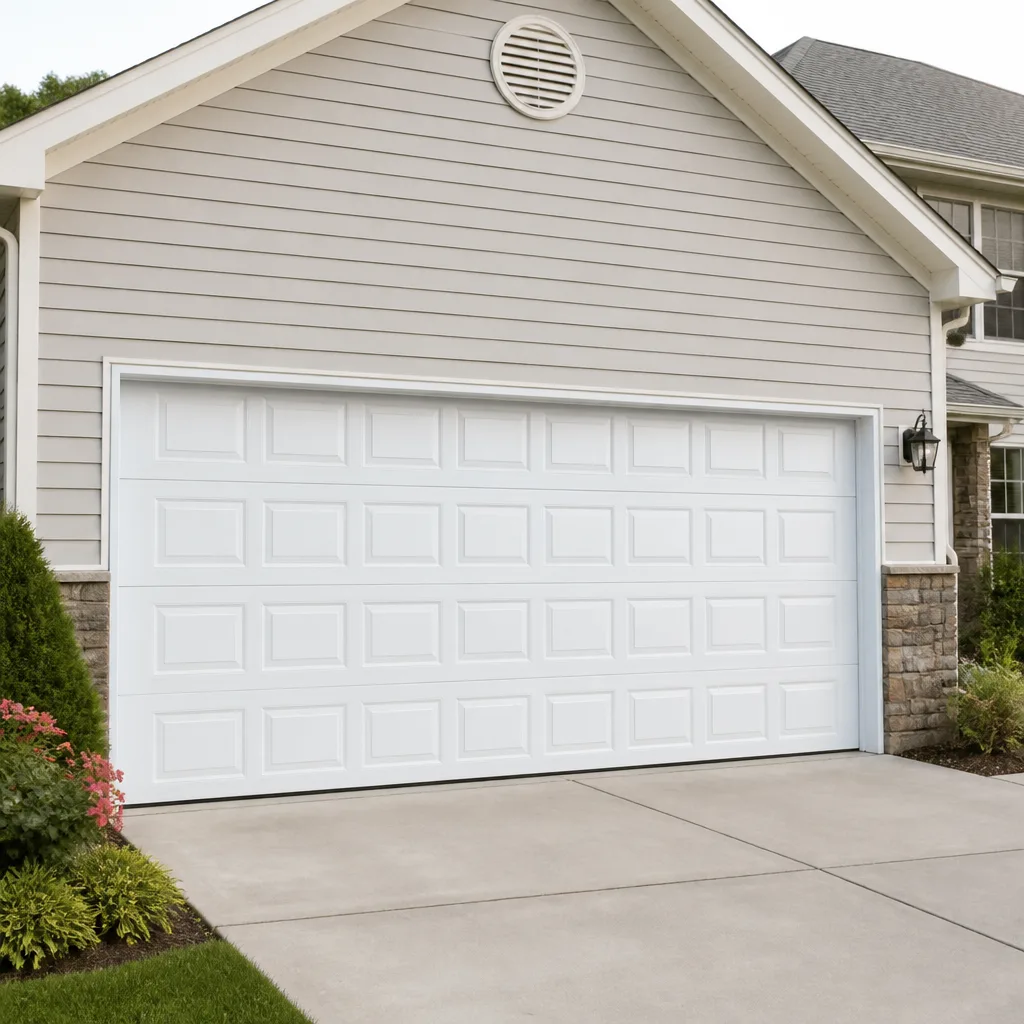 Raised-panel steel
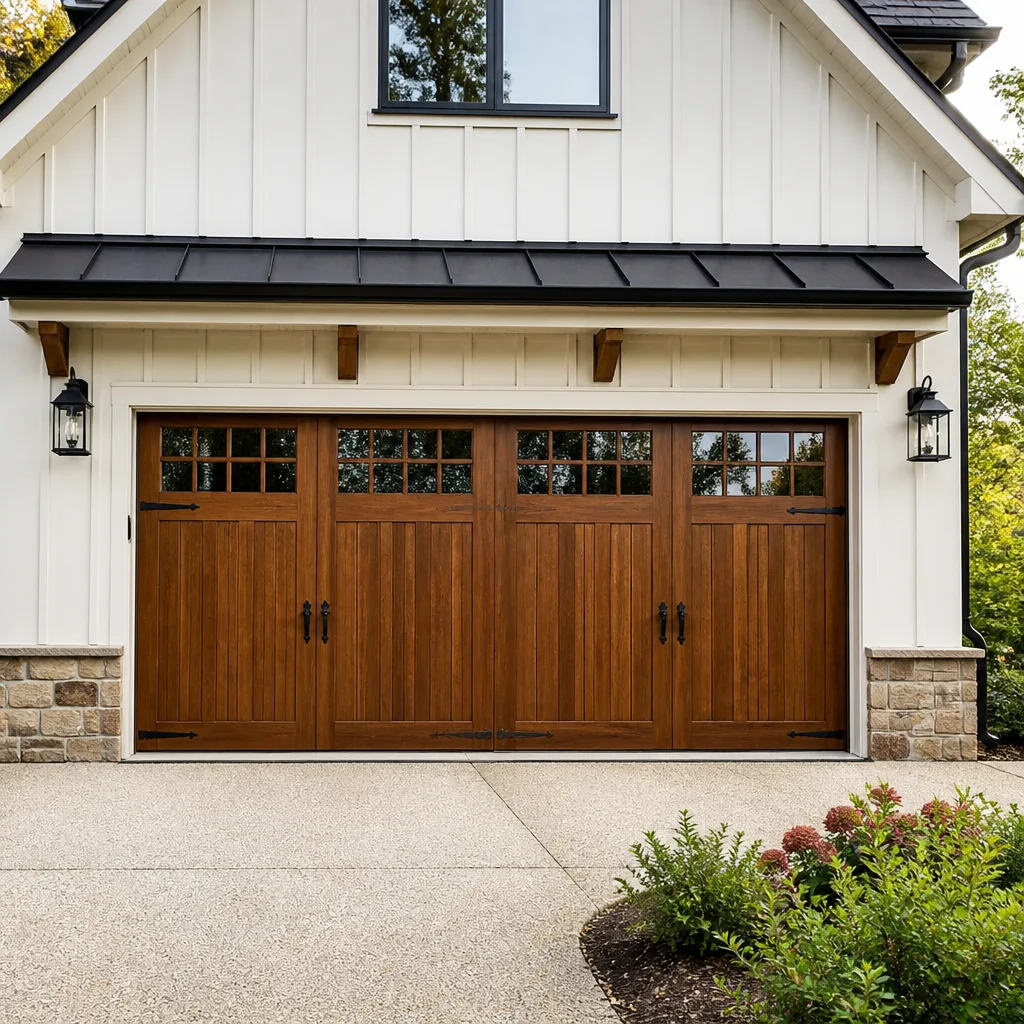 Carriage house
 Modern flush
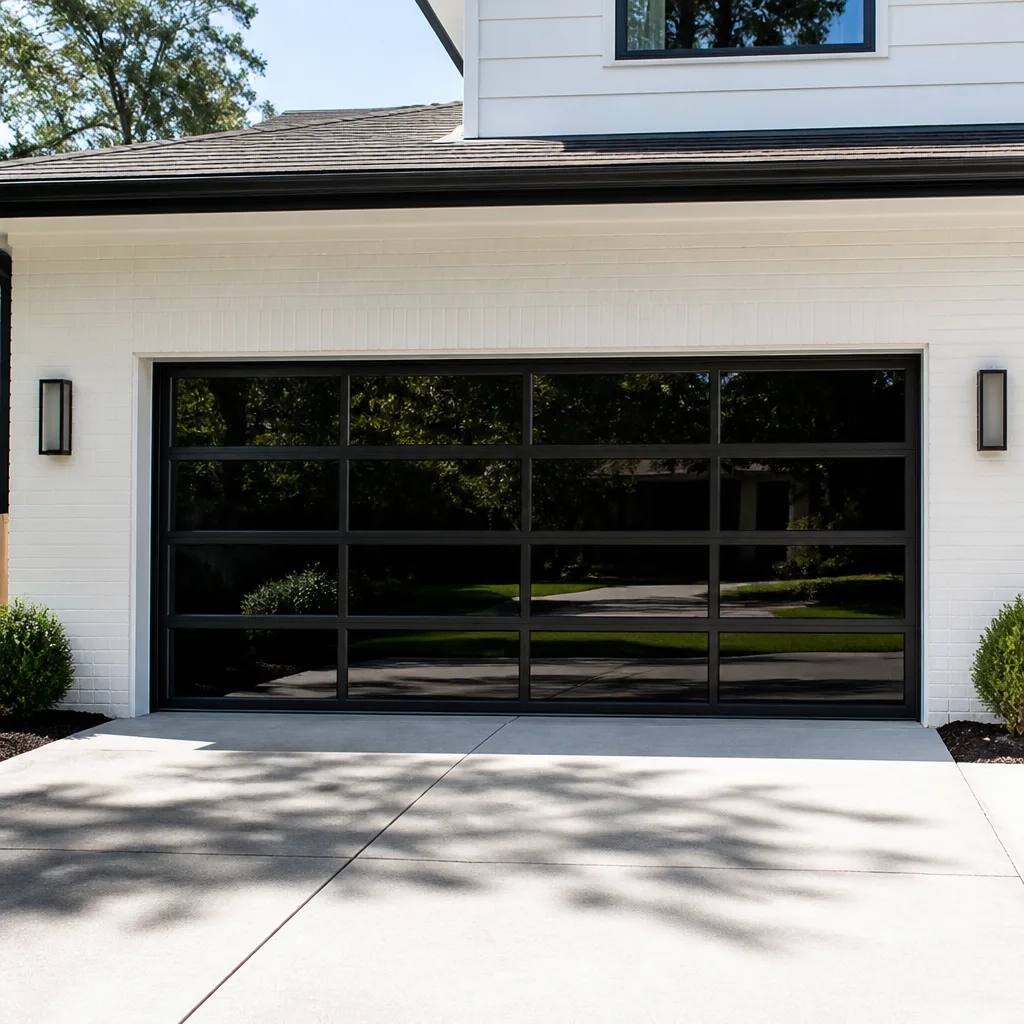 Full-view glass
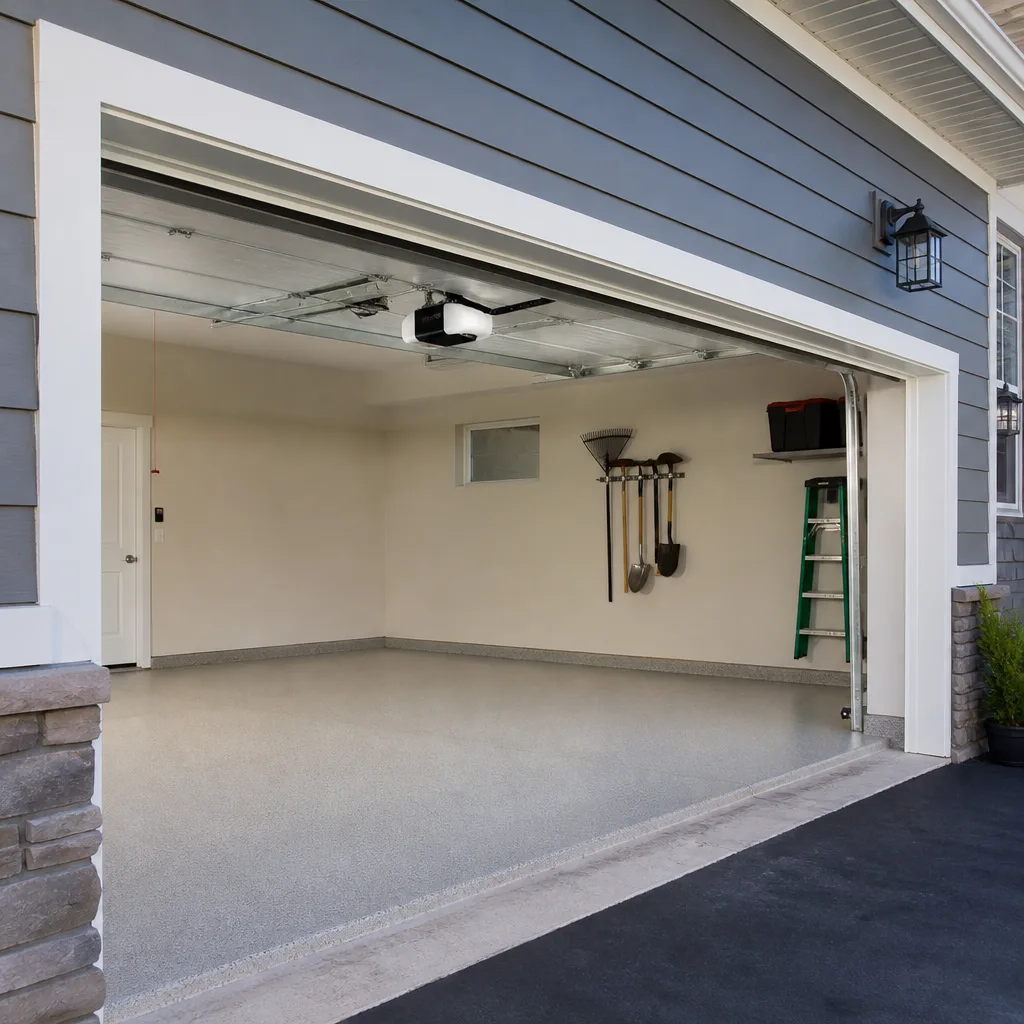 LiftMaster openers
 Chamberlain openers
Full 25-point door and opener safety check with every visit - springs, cables, rollers, tracks, and your LiftMaster or Chamberlain opener included
You get a price before we start. It does not change when the truck arrives.
Get your free estimateGarage Door Permits, Codes & Inspections in CA: What You Need to Know
A garage door replacement in Anaheim can legally require a building permit, and a failed inspection discovered during escrow has killed more than a few home sales in Orange County. Most homeowners assume a garage door is a simple swap, like replacing a faucet. It isn’t. The state of California regulates garage doors through Title 24 energy standards, UL 325 safety requirements, and local municipal codes, and Anaheim enforces all three. This guide explains exactly when you need a permit, what triggers an inspection, how unpermitted work affects your resale, and how to fix it if you’re already past the point of no return. For more guides & resources, visit our blog.
Styles & brands we work with
Quick Answer
In Anaheim, a garage door replacement typically requires a building permit when the door is attached to the house or when structural changes are involved, while most repairs, like spring replacement or opener swaps, do not. California also imposes Title 24 energy requirements on attached garage doors and UL 325 safety standards on all automatic openers. You can pull a retroactive permit if unpermitted work is discovered, but the inspection process will cost you time and money, and it’s far better to get it right the first time.
Table of Contents
- When Does Anaheim Require a Garage Door Permit?
- Repair vs. Replacement: The Threshold Most Homeowners Miss
- California Title 24 Energy Code and Garage Doors
- UL 325 Safety Standard: What Your Opener Must Meet
- What “Unpermitted Work” Means on a Disclosure Form
- How to Pull a Retroactive Permit in Anaheim
- What the Inspection Process Actually Involves
- Common Mistakes to Avoid
- When to Call a Professional
- Frequently Asked Questions
- The Bottom Line
When Does Anaheim Require a Garage Door Permit?
Anaheim follows the California Building Code with local amendments, and the city’s Building Division is specific about what counts as a permitted project. A permit is generally required when you replace a garage door that is attached to the main dwelling, when you alter the garage door opening size, when you install a new door where none existed before, or when you convert a garage into living space. A permit is generally not required for replacing an existing detached garage door with one of the same size, or for routine maintenance like spring replacement, cable adjustment, or track realignment.
The reason attached garage doors trigger permitting more often comes down to fire separation and energy code. An attached garage shares a wall and often a ceiling with conditioned living space. The door itself is part of the thermal envelope, and California inspects that envelope under Title 24. Detached garages are often exempt from permit requirements because they don’t affect the living space’s energy performance.
If you’re unsure whether your specific project needs a permit, the Anaheim Building Division will answer the question over the phone. You don’t need to guess. In our experience at Porter Garage Door, roughly half of Anaheim homeowners who call us for a full replacement didn’t realize a permit might apply until we walked them through the scope of work.
Repair vs. Replacement: The Threshold Most Homeowners Miss
The line between repair and replacement is where most Anaheim homeowners get tripped up, and honestly, it’s an easy line to blur. Our Garage Door Repair Troubleshooting: Common Problems and How to Fix Them covers similar distinctions. Here’s the practical breakdown:
- Spring replacement: No permit needed. This is a repair, even though you’re replacing a major component.
- Cable or roller replacement: No permit needed. Routine maintenance.
- Opener replacement: Usually no permit needed, but the new opener must meet UL 325 standards (more on that below).
- Panel replacement on the same existing frame: Often no permit needed, but if you change the door material or insulation value, Title 24 may apply.
- Full door replacement with the same rough opening: Permit likely required if the garage is attached to the home. This is where Anaheim homeowners get surprised.
- Changing the opening size or adding a door: Permit definitely required. Structural changes trigger plan review.
The nuance matters because a “door replacement” to a homeowner may look identical to a “panel swap” to a code official, but the code treats them differently. If you’re replacing an entire door assembly, including the tracks, springs, and panels, that’s a replacement. If you’re only swapping out the bottom panel that got dented by a car bumper, that’s a repair. When we work with Anaheim homeowners, we walk through this exact distinction before any work starts so there are no surprises at closing.
California Title 24 Energy Code and Garage Doors
California’s Title 24 Building Energy Efficiency Standards apply to garage doors when the garage is attached to conditioned living space. The short version: your garage door is part of your home’s thermal envelope, and California treats it accordingly.
For attached garages, Title 24 sets minimum insulation requirements and air leakage standards for garage doors. The specific R-value required depends on your climate zone. Anaheim sits in Climate Zone 8, which means the requirements are moderate compared to mountain zones, but they’re still enforced. A door with an R-value of R-6 or R-8 is often sufficient in Anaheim’s climate, while doors with no insulation at all may fail inspection if the garage is attached.
The practical takeaway is this: if you’re replacing an attached garage door in Anaheim, buy a door that meets Title 24 standards the first time. Trying to install a non-compliant door to save a few hundred dollars will cost you more when inspection fails and you’re paying for a second install. When we help homeowners choose a replacement door, we check the manufacturer’s Title 24 compliance documentation before ordering. It’s a small step that prevents a big headache.
UL 325 Safety Standard: What Your Opener Must Meet
UL 325 is the national safety standard for automatic garage door operators, and California code incorporates it by reference. Any opener installed in Anaheim must comply with UL 325, which mandates specific safety features: automatic reversal systems, photoelectric sensors, and force settings that prevent the door from crushing an obstruction.
The standard was updated in 2016 to require secondary entrapment protection on all new openers. If your opener predates that update, it may not meet current code. That doesn’t mean you must replace it immediately, but if you’re already pulling a permit for a door replacement, the inspector may flag an old opener that doesn’t meet current UL 325 requirements.
Here’s what UL 325 compliance looks like in practice:
- Photo eyes: Two sensors mounted near the bottom of the door tracks, six inches or less above the floor, that reverse the door when the beam is broken.
- Auto-reverse mechanism: The door reverses when it contacts an obstruction with a certain amount of force. This gets tested during inspection.
- Manual release: A cord that disconnects the opener from the door, allowing manual operation during a power outage.
If you’re replacing a garage door opener in Anaheim, brands like LiftMaster, Chamberlain, Genie, Craftsman, and Raynor all manufacture UL 325-compliant models. We work on all of them, so if you’re unsure whether your existing opener meets the current standard, our team can check it during a service call.
What “Unpermitted Work” Means on a Disclosure Form
When you sell a home in California, the seller’s disclosure form asks directly whether any work was done without required permits. Answering “yes” doesn’t automatically kill a sale, but answering “no” when unpermitted work exists can create real liability. That’s the trap.
Here’s how unpermitted garage door work affects a homeowner in Anaheim:
- Disclosure obligation: California law requires sellers to disclose material facts about the property. Unpermitted work is a material fact. Failing to disclose it can lead to post-sale legal claims from the buyer.
- Buyer financing: Some lenders refuse to fund a purchase with known unpermitted work, especially if the work affects safety systems like garage doors. If the buyer’s lender balks, the deal can fall apart.
- Insurance complications: If a garage door fails and causes damage, the homeowner’s insurer may deny the claim if the door was installed without a permit and that unpermitted work contributed to the failure.
- Resale timing: Discovering unpermitted work during escrow forces the seller to either pull a retroactive permit, which takes time, or offer a credit to the buyer. Both options cost money.
We’ve seen this play out in Anaheim more than once. A homeowner replaced a garage door five years ago without a permit, sold the house, and the buyer’s inspector flagged it. The retroactive permit process added three weeks to escrow and cost the seller over a thousand dollars in fees and fixes. Getting the permit the first time would have taken days and cost a fraction of that.
How to Pull a Retroactive Permit in Anaheim
If you discover unpermitted garage door work on your property, whether through a pre-sale inspection or your own research, the fix is a retroactive permit. The process in Anaheim is straightforward but not instant. Here’s the step-by-step:
- Contact the Anaheim Building Division: Explain the situation. They’ll tell you what documentation is needed, which usually includes a description of the work and the date it was performed.
- Submit a permit application: You’ll complete the standard building permit application and pay the filing fee. Retroactive permits often carry a penalty fee on top of the standard permit cost.
- Provide documentation: If you have the original receipt, manufacturer’s specs, or photos of the installation, gather them. Without documentation, the inspector will evaluate based on current condition.
- Schedule an inspection: The inspector will come out to verify that the existing door meets current code, including Title 24 energy standards and UL 325 opener compliance if an opener is installed.
- Address any failures: If the inspection identifies code violations, fix them. This might mean adding insulation, replacing an old opener, or correcting any installation defects.
- Receive final approval: Once the work passes inspection, the city issues the permit retroactively. Keep this documentation for your records and future sale.
The entire process typically takes one to three weeks in Anaheim, depending on inspection scheduling and whether any fixes are needed. If you’re in escrow, time matters, so start the process immediately. If you’re not selling, it’s still worth clearing the record so the issue doesn’t surface later.
What the Inspection Process Actually Involves
If your garage door project in Anaheim requires a permit, here’s what happens during the inspection. Understanding it ahead of time removes the mystery and helps you prepare.
- Rough framing inspection: If you changed the opening size, the inspector checks the header, jambs, and structural supports before the door is installed. This doesn’t apply to same-size replacements.
- Final inspection after installation: For any permitted garage door work, the inspector walks through a checklist that includes the door’s installation quality, the tension system, and the balance of the door.
- Safety system verification: The inspector tests the auto-reverse mechanism, confirms the photo eyes are properly mounted and functional, and checks the manual release.
- Energy code verification: For attached garages, the inspector confirms the door meets Title 24 requirements, typically by checking the manufacturer’s label for the R-value and compliance documentation.
- Fire separation check: In attached garages, the inspector verifies that any fire-rated separation requirements are met between the garage and living space.
Most inspections take 15 to 30 minutes on site. Failures typically come from one of three issues: a non-compliant opener, a door that doesn’t meet energy standards, or improper installation that affects the door’s balance and safety. When we install a new garage door in Anaheim, we work through our Garage Door Repair Maintenance Checklist for Anaheim Homeowners before the inspector arrives. It cuts the failure rate dramatically.
Common Mistakes to Avoid
- Assuming all garage door work is “just maintenance.” Spring replacement, yes. Full door replacement on an attached garage, no. The distinction matters, and guessing wrong creates a paper trail problem that follows the property.
- Buying a door without checking Title 24 compliance. An uninsulated door on an attached garage in Anaheim may fail inspection. Check the manufacturer’s compliance documentation before you buy, not after the inspector flags it.
- Installing a DIY opener without UL 325 knowledge. Even a brand-new opener installed incorrectly can fail inspection. Proper photo eye height, force settings, and wiring all matter.
- Hiding unpermitted work at resale. The seller’s disclosure form isn’t a suggestion. Failing to disclose unpermitted garage door work exposes you to post-sale liability that can exceed the cost of the original project.
- Waiting until escrow to pull a retroactive permit. The process takes one to three weeks in Anaheim. If your buyer’s lender won’t fund with open permit issues, that delay can kill the deal.
- Choosing a contractor who doesn’t understand Anaheim’s local amendments. A general contractor from another county may not know which details Anaheim’s inspectors emphasize. Working with a specialist who does this in Anaheim regularly avoids re-inspection fees and delays.
When to Call a Professional
If your garage door replacement in Anaheim involves a permit, a professional who knows the local process is worth the call. The permit application, the pre-inspection checklist, and the follow-up needed to close the permit all take time and knowledge, and mistakes cost money in re-inspection fees and delays. If you’re facing a retroactive permit during escrow, you especially don’t want to learn the process on the fly. Our team at Porter Garage Door works with Anaheim homeowners on both forward permits and retroactive fixes, and we handle the paperwork, the installation, and the inspection coordination. We work on the brand already in your garage, whether it’s a LiftMaster opener, a Raynor door, or a Chamberlain system, so the parts and specs match what the inspector will check. If you need help with a permitted garage door project, Porter Garage Door offers free estimates in Anaheim. Call (833) 589-5745 and we’ll tell you exactly what your project requires before any work starts.
Frequently Asked Questions
You need a permit in Anaheim if you’re replacing a garage door that’s attached to your home, if you’re changing the opening size, or if you’re adding a door where none existed. Replacing a detached garage door with one of the same size generally doesn’t require a permit. Most repairs, including spring replacement and opener swaps, don’t require permits either. When you call us at (833) 589-5745, we’ll tell you up front whether your specific project triggers the permit requirement.
Permit fees in Anaheim vary based on the scope of work and the valuation of the project, but expect to pay a few hundred dollars for a typical garage door replacement permit. Retroactive permits carry additional penalty fees on top of the standard cost. Contact the Anaheim Building Division for current fee schedules, or call us and we’ll factor permit costs into your free estimate.
Title 24 is California’s Building Energy Efficiency Standards, and it applies to garage doors when the garage is attached to conditioned living space. The door becomes part of your home’s thermal envelope, so the state requires minimum insulation ratings and air leakage performance. In Anaheim’s Climate Zone 8, this usually means an insulated door with an R-value in the R-6 to R-8 range. Uninsulated doors on attached garages often fail inspection.
If your opener doesn’t meet current UL 325 standards, which require automatic reversal and photo eye sensors, it may fail inspection during a permitted door replacement. You don’t necessarily need to replace it immediately if you’re not doing permitted work, but if an inspector evaluates your garage as part of a retroactive permit or a door replacement, a non-compliant opener will be flagged. Replacing it with a compliant model from LiftMaster, Chamberlain, Genie, Craftsman, or Raynor solves the issue.
Yes, you can sell a house with unpermitted garage door work in Anaheim, but you must disclose it on the seller’s disclosure form. Failing to disclose it creates legal liability after the sale. Unpermitted work may also complicate buyer financing, and buyers often request a credit or demand a retroactive permit before closing. The cleaner path is to pull the permit before you list, which removes the issue from the negotiation entirely.
A retroactive permit typically takes one to three weeks in Anaheim, depending on inspection scheduling and whether repairs are needed to bring the existing work up to code. The process involves filing an application, scheduling an inspection, addressing any failures, and receiving final approval. If you’re in escrow, start immediately because buyer lenders don’t always wait. Call us at (833) 589-5745 and we can help you coordinate the process with the city.
The Bottom Line
California’s garage door permit requirements catch most Anaheim homeowners off guard at resale, but the rules are manageable once you understand them. Attached garage door replacements usually need a permit. Repairs generally don’t. Title 24 energy standards apply to attached doors, UL 325 safety standards apply to all openers, and unpermitted work has real consequences when you sell. The cheapest, fastest path is to get the permit the first time, or to clear any past work now before a buyer’s inspector finds it. If you have questions about your specific Anaheim garage door situation, call (833) 589-5745 for a free estimate. We’ll tell you exactly what’s required, what it will cost, and what makes sense for your home.
Written by the team at Porter Garage Door, serving Anaheim since 2015.
See the difference
 Before
 After
 Before
 After
 Before
 After