Last updated October 30, 2026
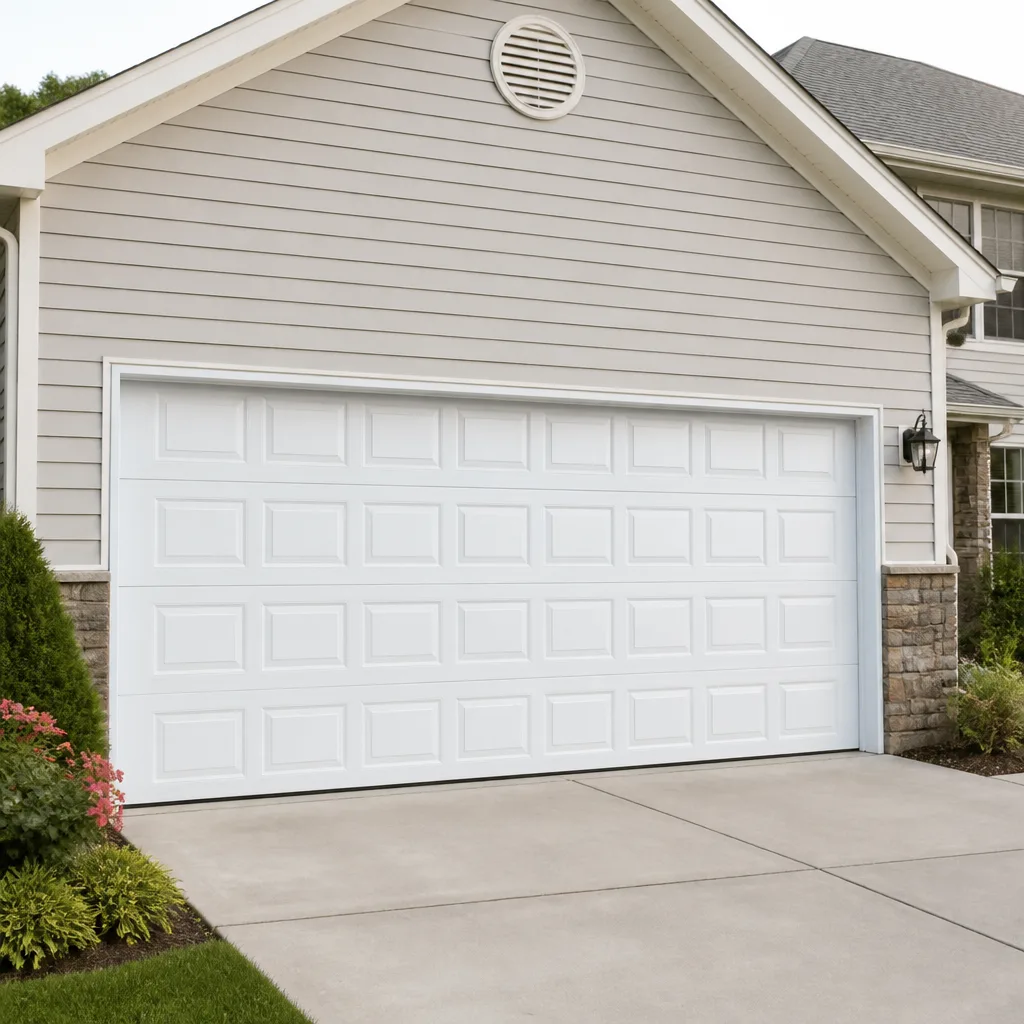 Raised-panel steel
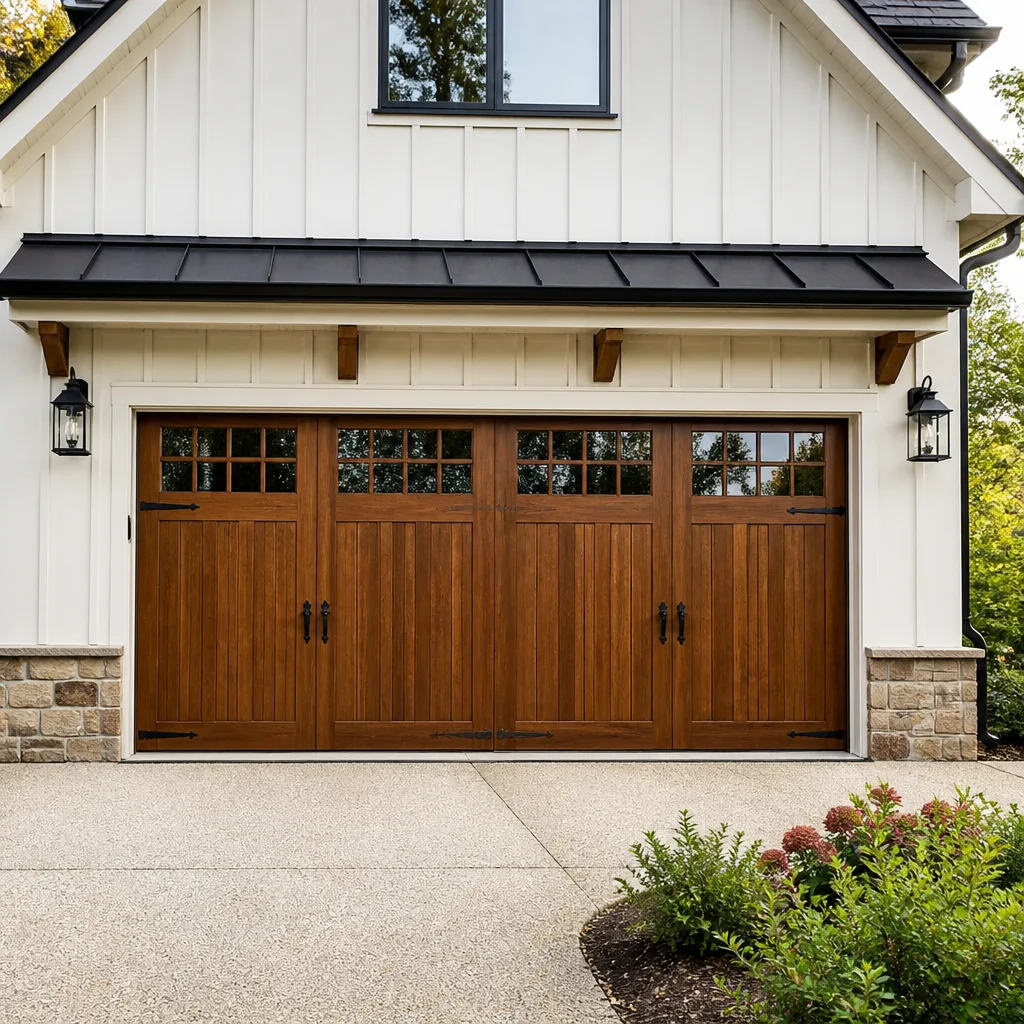 Carriage house
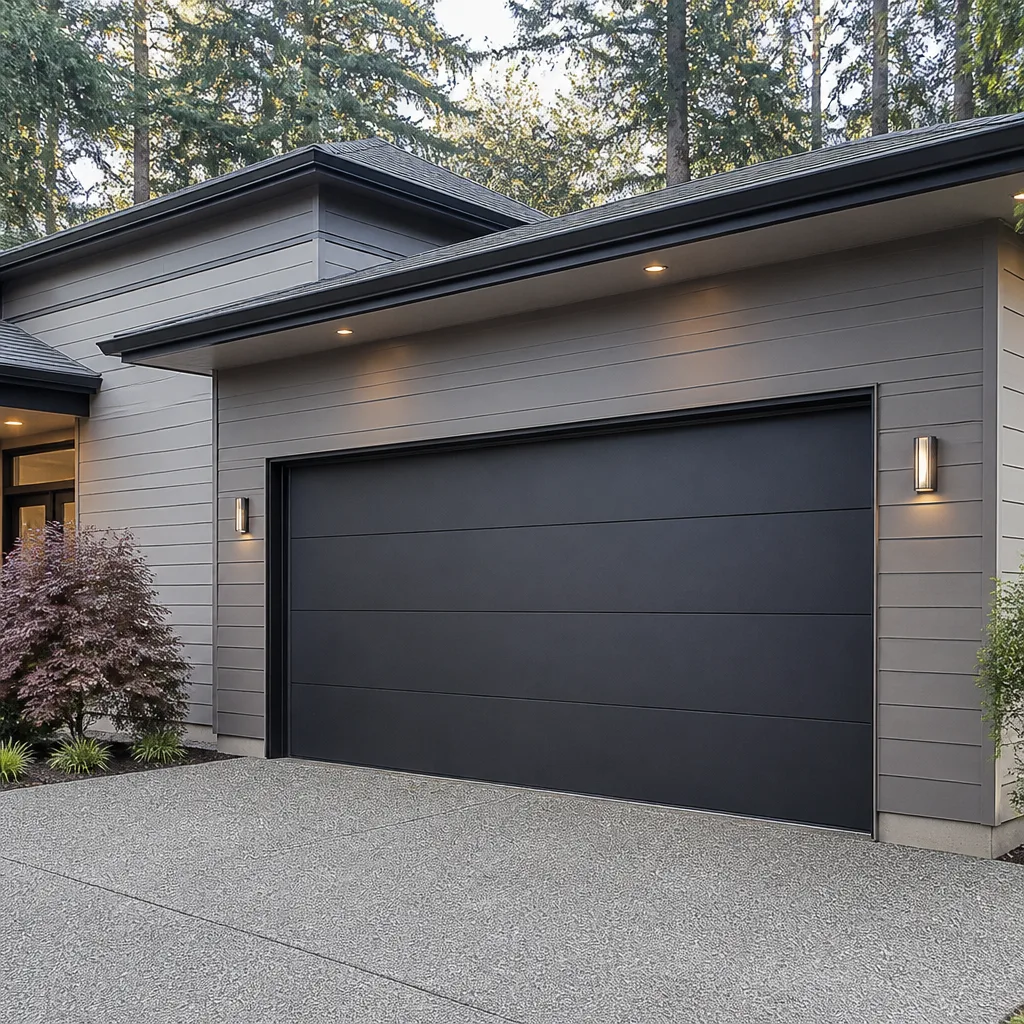 Modern flush
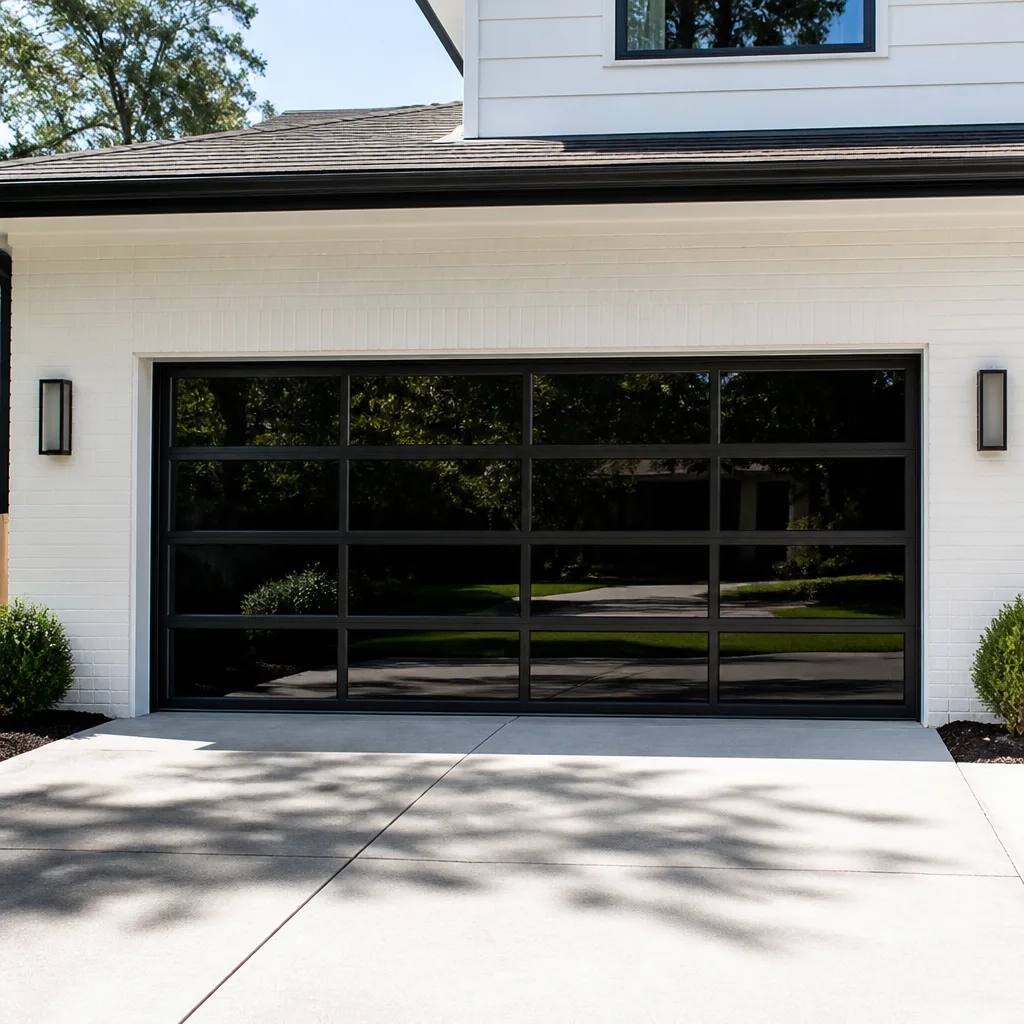 Full-view glass
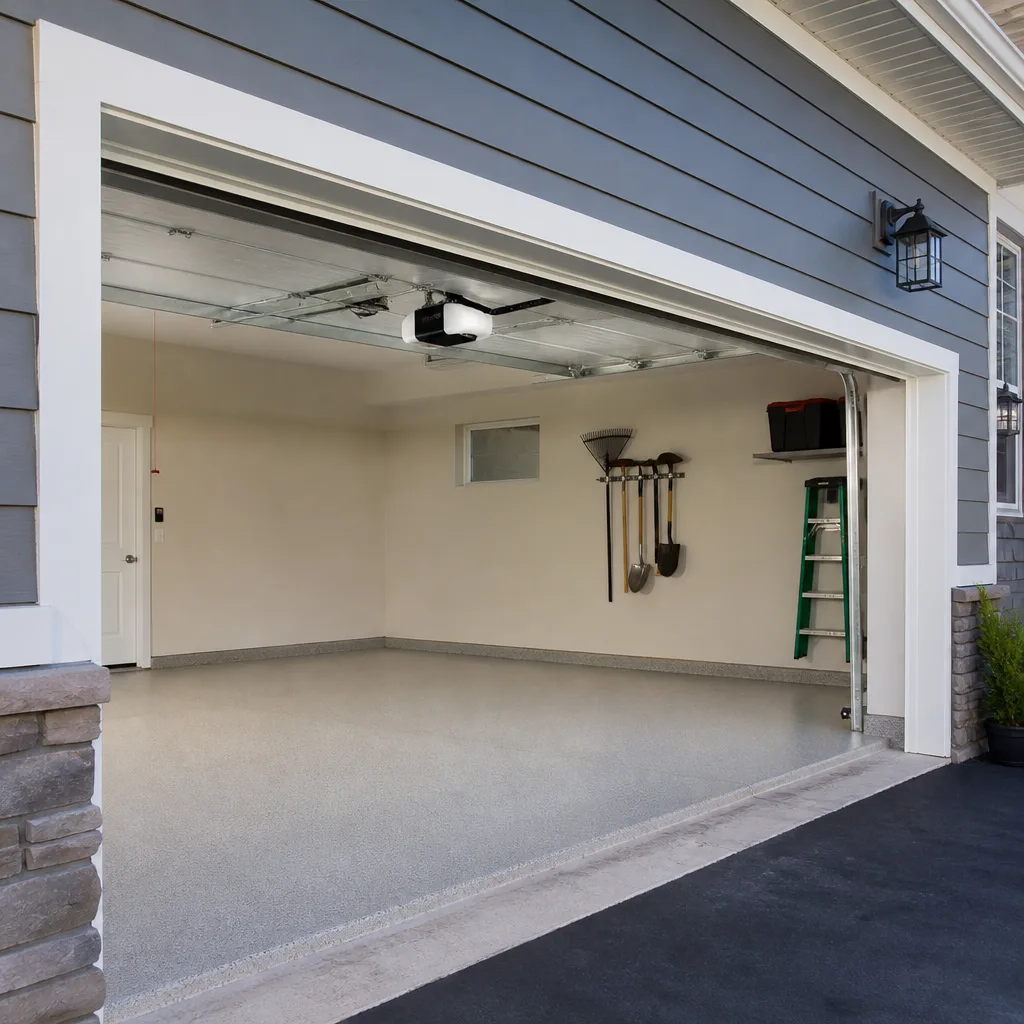 LiftMaster openers
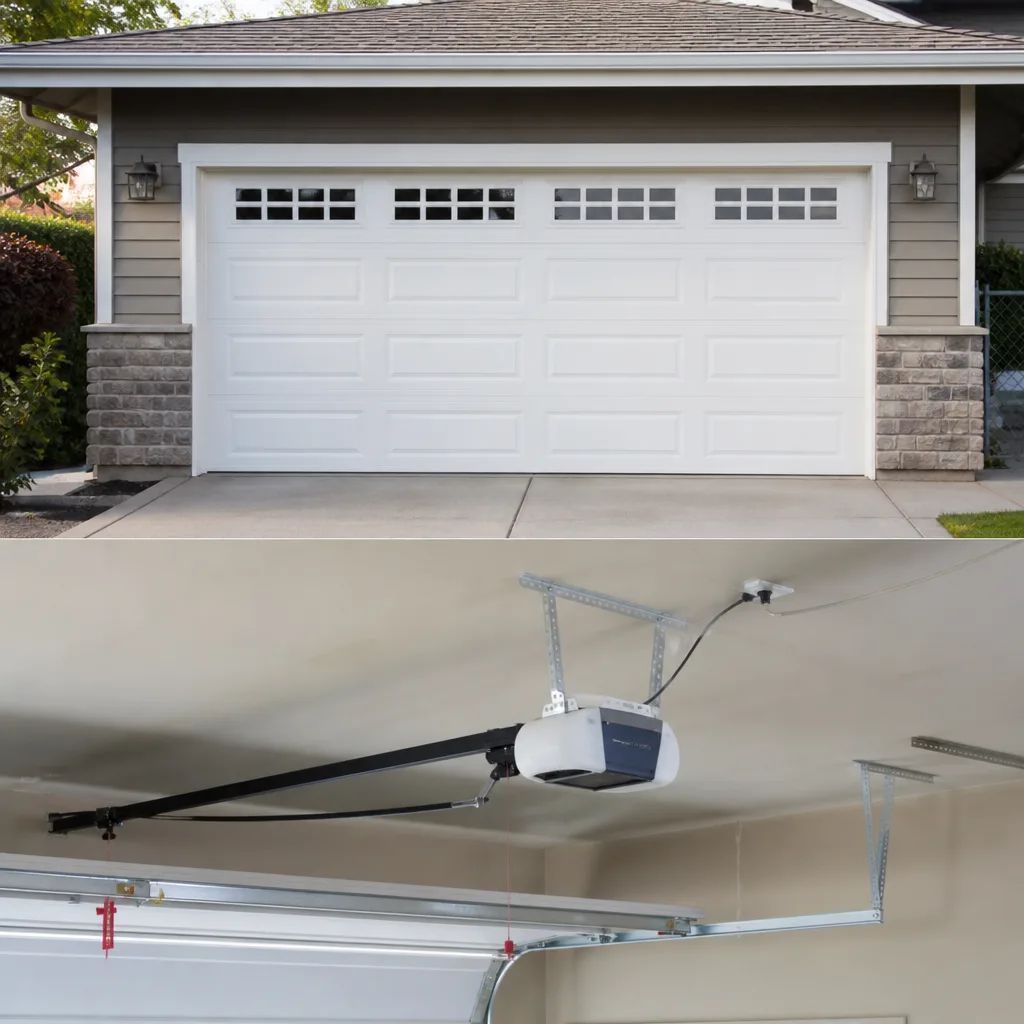 Chamberlain openers
Full 25-point door and opener safety check with every visit - springs, cables, rollers, tracks, and your LiftMaster or Chamberlain opener included
You get a price before we start. It does not change when the truck arrives.
Get your free estimateHow to Hire a Garage Door Contractor in Anaheim: A Step-by-Step Guide
Here’s a fact most Anaheim homeowners don’t know: in California, a garage door company can legally operate under a general contractor’s license. That means the person adjusting your torsion springs may have zero dedicated garage door training. The license covers the legal right to perform the work, but it says nothing about whether that person can identify a broken spring by sound, diagnose a Chamberlain opener logic board by symptom, or spot a failing cable before it snaps. This guide gives you the exact filter questions, license checks, and quote-reading skills to separate actual garage door specialists from general contractors who happen to hang doors. For more, see our Complete Garage Door Repair Guide for Anaheim Homeowners. If you’re hiring in Anaheim, the difference matters more than the quote itself.
Styles & brands we work with
Quick Answer
To hire a garage door contractor in Anaheim, verify the company’s CSLB license classification, confirm garage doors are their primary trade (not a side service), ask five brand-specific diagnostic questions, and require a written quote that itemizes springs, cables, rollers, labor, and warranty separately. Skip any contractor who quotes over the phone without seeing the door, can’t name the brand already in your garage, or pushes replacement before diagnosing repair. Porter Garage Door offers free estimates in Anaheim at (833) 589-5745.
Table of Contents
- Check the CSLB License: Not All Classifications Are Equal
- Step 1: Filter for Specialists, Not Generalists
- Step 2: Ask the Five Interview Questions That Expose Generalists
- Step 3: How to Read a Garage Door Quote Line by Line
- Step 4: Why the Cheapest Same-Day Quote Costs You More Within 12 Months
- Step 5: What a Legitimate Warranty Looks Like vs. Verbal Assurances
- Anaheim-Specific Factors That Affect Your Garage Door Hiring Decision
- Red Flags to Catch Before You Sign Anything
- Step 6: The Hire Timeline – What Happens From First Call to Finished Job
- Common Mistakes to Avoid
- When to Call a Professional
- Frequently Asked Questions
- The Bottom Line
Check the CSLB License: Not All Classifications Are Equal
Every contractor working on a home in Anaheim needs a license from the California Contractors State License Board, but the classification matters more than the presence of a license number. Garage door work typically falls under C-61/D-28 (Door and Gate) or D-12 (Synthetic Products), though many companies operate under a C-17 (Glazing) or B (General Building) license. Here’s what to look for when you check the CSLB database.
A C-61/D-28 classification means the contractor is specifically licensed for door and gate work. This is the classification you want to see. A B license, by contrast, authorizes a contractor to perform nearly any building trade, from framing to flooring, and the CSLB does not require any garage door-specific training to hold it. A general building contractor in Anaheim can legally adjust your springs, replace your opener, and install a new door, and that’s exactly the problem. The license says “legally allowed.” It doesn’t say “trained on torsion systems, opener circuitry, or panel balance.”
In our experience at Porter Garage Door home, we’ve been called out to Anaheim homes where a general handyman installed a Genie opener two weeks prior, and the diagnostic took twice as long because the wiring was routed incorrectly. The owner paid for a cheap fix, then paid us to undo it.
How to verify:
- Go to the CSLB website and search the contractor’s name or license number.
- Look at the classifications listed. If you see only “B – General Building,” ask why the contractor doesn’t hold a C-61/D-28.
- Check for active suspensions, revocations, or pending legal actions in the CSLB record.
- Confirm the license matches the name on the quote and the name on the vehicle, if they arrive in a marked vehicle.
- Ask for the specific person who will do the work. Verify that person works directly for the company, not a subcontracted crew.
Anaheim doesn’t have a local licensing requirement beyond the state CSLB, so this state-level check is your entire licensing filter. Run it before you schedule a single estimate.
Key Takeaways:
- Look for C-61/D-28 (Door and Gate) or D-12 (Synthetic Products) classification.
- A B (General Building) license is legal but does not indicate garage door training.
- Verify the license is active, unsuspended, and matches the name on your quote.
- Ask who specifically will do the work and confirm they are not a subcontractor.
Step 1: Filter for Specialists, Not Generalists
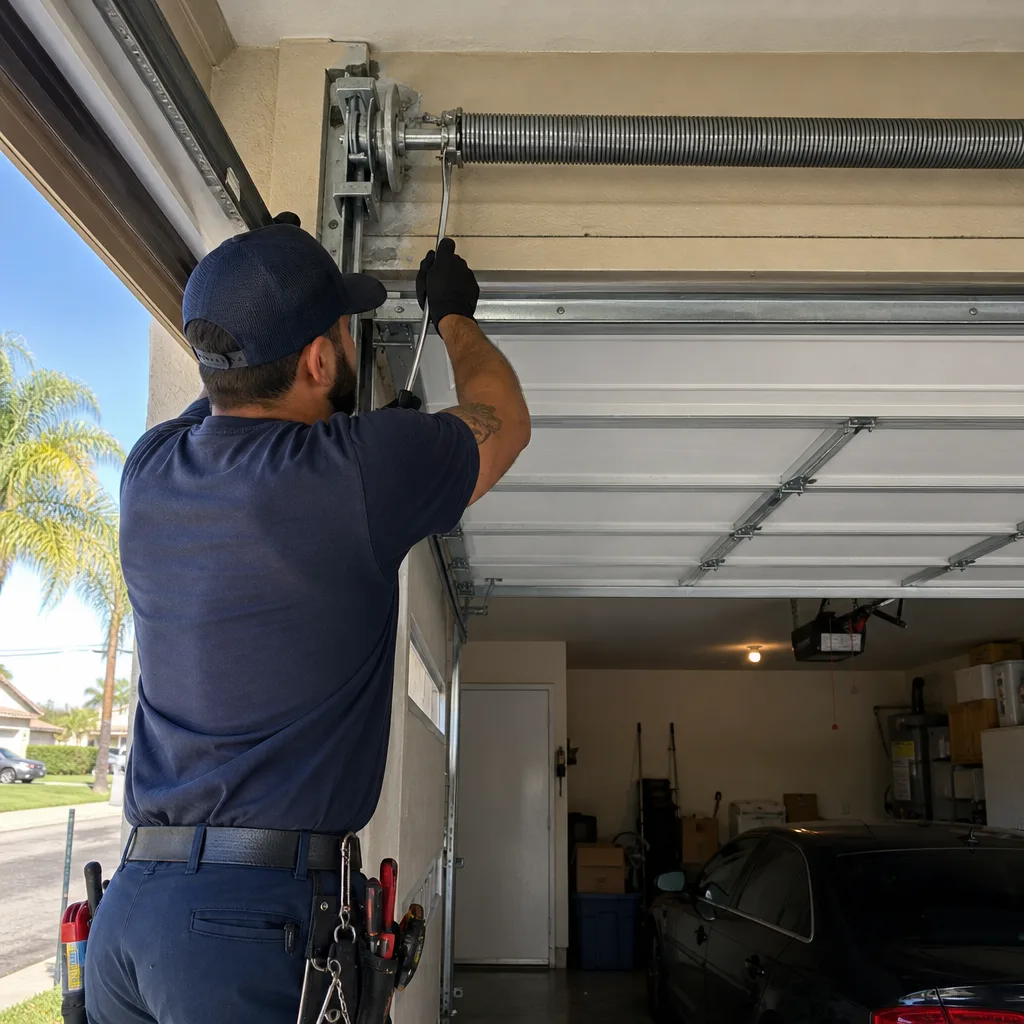
Garage doors are all we do at Porter Garage Door, and that focus exists for a reason: the systems are mechanically complex, brand-specific, and dangerous when handled by someone with partial knowledge. The first filter in your hiring process is to eliminate any contractor whose primary trade is something other than garage doors. Here’s the test: look at their website, their service list, and their truck. If they offer kitchen remodeling, bathroom tile work, HVAC repair, and garage door service all from one company, you’re looking at a generalist. Walk away from garage doors with them.
Anaheim has no shortage of contractors advertising garage door work alongside other trades, and the math is simple: a technician who spends 60% of their week on plumbing or electrical calls cannot possibly maintain current knowledge on eight major door brands, smart opener protocols, spring metallurgy, and track alignment tolerances. A specialist devotes 100% of their training, tools, and truck inventory to one system. That’s the difference between a technician who recognizes a Chamberlain opener’s error code on sight and one who has to Google it in your driveway.
There is a structural reason specialist pricing often beats generalist pricing over the long term, even when the initial quote is higher: specialists stock parts by brand. A generalist often orders the part after they see the door, which adds a second visit, a second labor charge, and more days with a door that’s stuck open or closed. When a company is brand-fluent across LiftMaster, Chamberlain, Genie, Clopay, Amarr, Wayne Dalton, Craftsman, and Raynor, the diagnosis is faster and the right part is more likely to be on the truck.
Porter’s single-trade focus means every technician works on garage doors exclusively. The tools are calibrated for that work, the truck inventory is stocked with door and opener parts, and the training is continuous on one system, not diluted across five. If you’re in Anaheim and you call a company that also fixes water heaters, you’ve already learned what you need to know.
Step 2: Ask the Five Interview Questions That Expose Generalists
You don’t need technical expertise to interview a garage door contractor effectively. You need questions that force a specific, brand-aware answer. These five questions are designed so a specialist answers instantly from muscle memory while a generalist hedges, defers, or pivots to scheduling. Ask them all before you accept a quote.
- “What brand is my current door and opener?” A specialist asks this on the phone or answers it within seconds of arriving. If the contractor can’t identify a Clopay door from an Amarr door or a Genie opener from a Chamberlain opener, they’re not brand-fluent. The brand determines spring dimensions, opener protocol, rail compatibility, and part sourcing. A generalist treats every door as interchangeable, and that’s how you end up with a mismatched spring that fails in eight months.
- “Walk me through your diagnostic process.” Listen for a systematic order: visual inspection of springs, cables, tracks, and panels before any adjustment; testing door balance manually; checking opener force settings; listening for specific sounds. A generalist often says something vague like “we’ll take a look and figure it out.” A specialist has a sequence and can describe it in 30 seconds.
- “Do you stock parts for my brand, or do you order after diagnosis?” This one question exposes the biggest hidden cost in garage door work: the second-visit fee. A specialist who works across eight brands stocks common parts and regular wear components by brand. A generalist often orders parts after seeing the door, which means a second appointment, another service call fee, and more downtime. In Anaheim, where a garage door that won’t close is a security issue overnight, that delay matters.
- “What’s the most common failure you see in Anaheim specifically?” This question tests local experience. A specialist answers from local data: spring failures from heat cycling, opener gear wear from frequent daily cycles, track misalignment from settling slabs in older Anaheim neighborhoods. A generalist answers with a generic statement about “garage doors in general” and reveals no local context.
- “What training do your technicians complete annually?” Ask for specifics: hours, subject matter, brands covered. A specialist can describe manufacturer certification programs and ongoing opener training. A generalist says “on-the-job experience.” On-the-job experience is real, but it’s not a substitute for structured, current training on smart opener integration and modern torsion systems.
At Porter, our technicians train on eight major brands – LiftMaster, Chamberlain, Genie, Clopay, Amarr, Wayne Dalton, Craftsman, and Raynor – so when we arrive at an Anaheim home, we’re diagnosing the specific door in that garage, not a generic door. “Fast diagnosis, right parts” isn’t a slogan; it’s the operational consequence of that focus.
Step 3: How to Read a Garage Door Quote Line by Line
The quote is where hiring decisions actually happen, and it’s where generalists hide. A legitimate garage door quote from a specialist itemizes the work by component, separates parts from labor, and states the warranty in writing. A vague quote is a deliberate strategy: it leaves room for change orders once the door is in pieces and you’re committed. Here’s what a proper quote should always include, line by line.
Required line items on a repair quote:
- Specific part names and sizes: not “spring repair” but “pair of 0.225 x 2″ x 27″ torsion springs.” The size matters for spring life and cycle ratings.
- Parts cost and labor cost separated. If they’re blended into one number, ask for the split.
- Any additional parts: cables, rollers, hinges, brackets, seals. If the quote is for a spring but the technician identified worn rollers during inspection, the quote should reflect it.
- Warranty terms in writing: what’s covered, what’s excluded, and for how long.
- Service call or diagnostic fee, if any, and whether it applies toward the repair.
Required line items on an installation quote:
- Door model, size, material, insulation R-value, and brand name. “Insulated steel door” is not enough; you need the specific Clopay or Amarr model.
- Opener model and brand, including horsepower and smart features if applicable.
- Removal and disposal of the old door and old opener, itemized separately or clearly stated as included.
- Track, hardware, and any reinforcement requirements specific to the door weight.
- Labor total, permit costs if applicable, and an explicit installation timeframe.
Omissions that signal a lowball that will inflate:
- No part sizes or brand names. This is the most common omission. “Spring replacement” with no size or cycle rating means the contractor can install the cheapest spring available and you won’t know the difference until it fails early.
- No disposal line. If hauling away the old door isn’t in writing, expect a $75 to $150 surprise charge.
- No warranty terms. If the warranty is verbal, it doesn’t exist.
- No diagnostic fee disclosure. If the quote is free, ask how the company handles the estimate visit. Some companies bury the diagnostic fee in the repair price; others disclose it clearly. Clarity is the issue, not the fee itself.
Here’s the rule: if a line item isn’t on paper, it wasn’t agreed to, and it can change. Read every line before you sign. A specialist quote from Porter lists parts by size and brand, separates labor, states warranty terms, and is transparent about the service call fee. The price you agree to is the price you pay before any work starts.
Step 4: Why the Cheapest Same-Day Quote Costs You More Within 12 Months
This is the section every homeowner in Anaheim needs to read twice. The cheapest same-day quote is the most expensive outcome over 12 months, and the data pattern is consistent across the hundreds of doors we’ve repaired or replaced after a previous contractor’s work failed. Here’s the economics.
A garage door spring has a rated cycle life, typically 10,000 cycles for a standard spring. A 10,000-cycle spring in a home with two cars and two daily open-close cycles per car lasts roughly 7 to 10 years. A contractor who quotes the lowest price is often installing a 5,000-cycle spring, which lasts 3 to 5 years. The initial savings might be $40. The replacement in 3 years costs $180 to $280. You’re not saving; you’re prepaying for an early failure.
Cheap same-day service often means the technician carries a limited inventory of generic parts and makes whatever they have fit. Generic rollers in the wrong track, a spring one size off, an opener rail from a different brand adapted with a bracket. It works for a few weeks, then the misalignment begins, the noise returns, and the premature wear spreads to other components. By month 12, you’ve paid for the cheap fix, the repair of the damage the cheap fix caused, and in many cases, the correct repair that should have happened first.
In Anaheim specifically, the heat cycling accelerates spring fatigue. Summer temperatures that hit 95°F during the day and drop 30 degrees at night put additional stress on spring steel, and an undersized or incorrect spring fails faster here than in a milder climate. A cheap same-day quote in Anaheim is not a bargain; it’s a timed failure.
The better question to ask: “Can you come today with the right parts?” A specialist stocks parts by brand and by size, so same-day service doesn’t require using a generic substitute. At Porter, the fast diagnosis and the right parts happen together, so the urgency doesn’t trade against the quality.
Step 5: What a Legitimate Warranty Looks Like vs. Verbal Assurances
A verbal warranty is not a warranty. It’s a sentence said with confidence, and it evaporates the moment something fails. Here’s how to distinguish a legitimate warranty from an assurance that has no legal weight.
A legitimate parts warranty on a spring or opener includes:
- The part covered, by name and size, not “the repaired component.”
- The warranty period, in months or years, stated in writing.
- What’s excluded: damage from misuse, tampering, lack of maintenance, or work by another contractor.
- The remedy: replacement part, labor, or both.
- A document or email with the company name, date, and a signature or reference number.
A legitimate labor warranty includes:
- The labor period in months, typically 90 days to 1 year on repairs.
- What’s included: return visit, re-diagnosis, and repair labor.
- What’s required from you: no one else works on the door during the warranty period.
What verbal assurances look like in practice:
- “Don’t worry, we stand behind our work.” That’s a sentence, not a warranty.
- “If anything goes wrong, call me.” The contractor’s phone number is not a warranty term.
- “This spring is covered.” Covered for what? For how long? For parts only or labor too? Unanswered questions mean no warranty.
Clopay and Amarr doors carry manufacturer warranties that are only valid when installed by an authorized dealer using correct installation practices. A generalist who installs an Amarr door improperly voids the manufacturer’s warranty, and the homeowner discovers this only when a panel warps and the claim is denied. Brand-matched installation matters not just for performance but for warranty preservation. At Porter, we install the door correctly the first time and put our warranty in writing, so there’s no ambiguity about what’s covered and for how long.
Anaheim-Specific Factors That Affect Your Garage Door Hiring Decision
Anaheim’s climate, housing stock, and neighborhood mix create specific conditions that should shape your hiring decision, and a local specialist factors these in automatically. Here’s what matters in Anaheim that a remote or out-of-area contractor might not consider.
Heat cycling and spring fatigue. Anaheim’s summer temperatures routinely reach the mid-90s, with overnight drops of 25 to 30 degrees. Torsion springs cycle through this temperature range every day, and the expansion-contraction stress reduces their effective lifespan compared to milder coastal climates. A technician with Anaheim-specific experience knows to check spring condition by measuring coil gap and cycle wear, not just by visual inspection.
Older neighborhoods with settling slabs. Anaheim’s housing stock includes many homes built between the 1950s and 1970s, and concrete slabs settle over decades. A settling slab shifts the track alignment, causing the door to bind, grind, or hang unevenly. A specialist checks the track for level before assuming the springs are the problem. A generalist replaces the springs and wonders why the door still binds.
Multi-car households and high cycle frequency. Anaheim families often have three or four vehicles, and the garage door cycles more frequently per day than in single-car households. Higher cycle frequency demands higher-cycle springs and rollers rated for 10,000+ cycles, not the standard 5,000-cycle parts a generalist might install. When you hire, ask the contractor to confirm the cycle rating of the springs they’re proposing for your household’s usage pattern.
Garage conversions and improvised installations. Anaheim has its share of converted garages, partial conversions, and improvised door setups from decades of remodeling. These homes often have non-standard track configurations, modified springs, and opener installations that don’t match the door’s original design. A specialist has seen these improvisations before and knows how to work with them or recommend a correct retrofit. A generalist treats a non-standard setup as a problem to avoid, which means you may not get the service you called for.
Security considerations. A garage door that won’t close in Anaheim is an open invitation, plain and simple, and that’s not an exaggeration. The door itself is often the largest entry point to the home, and a door that stays open because of a failed spring or opener is a visible vulnerability. When hiring, consider the contractor’s response capability: do they carry the parts for same-day service on common failures, or do they diagnose and return days later? For Garage Door Repair in Anaheim, a contractor who stocks parts and can complete the repair in one visit addresses the security issue directly.
Red Flags to Catch Before You Sign Anything
These are the signals that you’re dealing with a generalist, a lowball operator, or an outright scam. Catch them before you commit, and you’ll avoid the most common hiring mistakes in Anaheim.
- Quote over the phone without seeing the door. A contractor who quotes a spring replacement by phone hasn’t seen the springs, the door weight, the track condition, or the opener. They’re guessing, and their guess becomes your problem when the actual job costs twice the quote.
- Pushes replacement before diagnosing repair. “Your door is old, you should replace it” is a sales script, not a diagnosis. A specialist tells you what’s wrong first, then says “repair or replace – we’ll tell you which one actually makes sense.” A generalist pushes replacement because it’s a bigger invoice.
- No marked vehicle or branded uniform. Legitimate contractors identify themselves. An unmarked truck and a generic “technician” is a yellow flag for an unlicensed operator or a subcontracted crew.
- Cash-only or heavy discount for cash payment. Cash-only pricing often means no invoice, no warranty record, and no CSLB compliance.
- Pressure tactics: “this price is only good today.” A legitimate quote has a validity period, typically 30 days, but high-pressure same-day-only pricing is a manipulation tactic. You should have time to compare.
- Won’t show license or insurance proof. Any legitimate contractor produces their CSLB number and insurance certificate on request. Refusal is a hard stop.
Step 6: The Hire Timeline – What Happens From First Call to Finished Job
Here’s what a well-run hiring process looks like with a specialist, from first contact to final inspection. This timeline gives you a benchmark against which to measure any contractor you’re considering.
- Day 0: First contact. You call or submit an online request. The company asks what brand your door and opener are, what symptoms you’re seeing, and when the problem started. They schedule an estimate window that works for you.
- Day 1: On-site diagnosis. The technician arrives, introduces themselves, and performs a systematic inspection: springs, cables, rollers, tracks, panels, opener force settings, balance test. They explain what they’re seeing in plain language and answer your questions directly.
- Day 1: Written quote. The technician provides a written, itemized quote on the spot, with parts separated from labor, part sizes and brands stated, and warranty terms in writing.
- Day 1 or 2: Repair or installation scheduled. For repairs, a specialist with stocked parts often completes the work the same day. For installations, the door is ordered and a measured installation is scheduled for a specific date.
- Installation day: measured and scheduled. The crew arrives, protects the work area, removes the old door, installs the new system, and performs a final balance test, safety reverse test, and cycle test. They walk you through the operation and answer questions.
- Post-job: warranty and follow-up. You receive written warranty documentation and the company’s contact for any follow-up questions. The job is complete when you’re satisfied with the door’s operation and the work area is clean.
This is the standard at Garage Door Installation in Anaheim with Porter, and it’s the standard you should hold any contractor to.
Common Mistakes to Avoid
- Not verifying the CSLB license classification. Accepting a B (General Building) license without asking the follow-up question about door-specific training means you might be paying a framer to adjust your torsion springs. Verify before you hire.
- Choosing the lowest quote without reading the line items. The low quote that omits part sizes, disposal, and warranty terms isn’t cheaper; it’s incomplete. The missing line items reappear as change orders.
- Accepting a verbal warranty. If the warranty isn’t written, it doesn’t exist. Insist on written terms before work begins.
- Letting a generalist replace brand-specific parts. An Amarr door with a Wayne Dalton spring is a mismatch waiting to fail. The brand in your garage determines the correct parts, and a specialist who works on that brand knows the difference.
- Not asking about the specific technician’s experience. The company may be reputable, but the person they send is who does the work. Ask who’s coming and what their garage door experience is.
- Paying in full before the work is complete. A deposit on a special-order door is standard; full payment before installation is not. Protect yourself with a payment schedule tied to milestones.
- Ignoring opener health when replacing a door. A new door on an old opener with a worn gear means the opener fails next year, and you pay for two service calls. A specialist checks the opener and recommends replacement when it makes sense.
When to Call a Professional
Some garage door issues are safe to observe and report; some specifically dangerous parts require a trained professional, period. Torsion springs are under extreme tension, and when one fails, it releases force fast and loud. Cables under tension can snap and lash. Openers involve electrical connections and smart-home integration. If your door won’t open or close, if you hear a loud bang from the garage, if a cable is frayed or hanging, or if the opener is behaving erratically, call a professional. Do not attempt to adjust or remove a torsion spring yourself. The risk of severe injury is real and well documented. Porter Garage Door offers free estimates in Anaheim – call (833) 589-5745 and a technician will diagnose the problem and quote the repair before any work starts.
Frequently Asked Questions
Search the contractor’s name or license number on the CSLB website and look for the C-61/D-28 (Door and Gate) classification. A B (General Building) license is legally sufficient but does not prove garage door training. Verify the license is active, unsuspended, and matches the name on your quote. Call (833) 589-5745 for a free estimate from a licensed specialist serving Anaheim.
Ask the five filter questions: what brand is your current door, walk me through your diagnostic process, do you stock parts for my brand, what’s the most common failure in Anaheim, and what annual training do your technicians complete. A specialist answers each question directly and specifically. For answers in person, call (833) 589-5745 to schedule a free estimate.
Spring replacement in Anaheim typically runs $180 to $340, cable replacement $150 to $250, roller replacement $100 to $180, and opener repair $120 to $300, depending on the brand and part specifics. The exact price depends on the door’s size, spring dimensions, and the brand of the system. Call (833) 589-5745 for an exact quote – estimates are free and the price is agreed before work starts.
Yes, a specialist who stocks parts by brand can often complete common repairs the same day. The key is whether the company carries the parts for your specific door or needs to order them after diagnosis. At Porter, technicians are stocked for the brands they’re trained on, so the diagnosis and the repair often happen in one visit. Call (833) 589-5745 to check same-day availability.
A legitimate quote is based on the on-site diagnosis and the quote you receive reflects the actual work needed, so the price should match the quote. If a contractor quotes by phone without seeing the door, that estimate is a guess and can change. At Porter, the written quote follows the on-site diagnosis, and you approve it before any work begins. Call (833) 589-5745 for a free, no-obligation estimate.
Porter Garage Door services LiftMaster, Chamberlain, Genie, Clopay, Amarr, Wayne Dalton, Craftsman, and Raynor systems, including opener repair for both legacy mechanical and modern smart-home models. If you’re experiencing opener issues, see our Garage Door Opener Repair in Anaheim page or call (833) 589-5745 for a free estimate.
The Bottom Line
Hiring a garage door contractor in Anaheim comes down to filtering for specialists, verifying the CSLB classification, asking brand-specific diagnostic questions, reading the quote line by line, and requiring written warranty terms. Skip the generalist, skip the verbal assurances, and skip the cheapest same-day quote that omits part sizes and disposal. The contractor you hire determines whether the repair lasts 3 years or 10, and the difference in cost over time is larger than the difference in the initial quote. Porter Garage Door is the single-trade specialist for Anaheim homeowners: brand-fluent across eight manufacturers, focused entirely on garage doors, and available at (833) 589-5745 for a free estimate.
Written by the team at Porter Garage Door, serving Anaheim since 2015. Explore more guides & resources.
See the difference
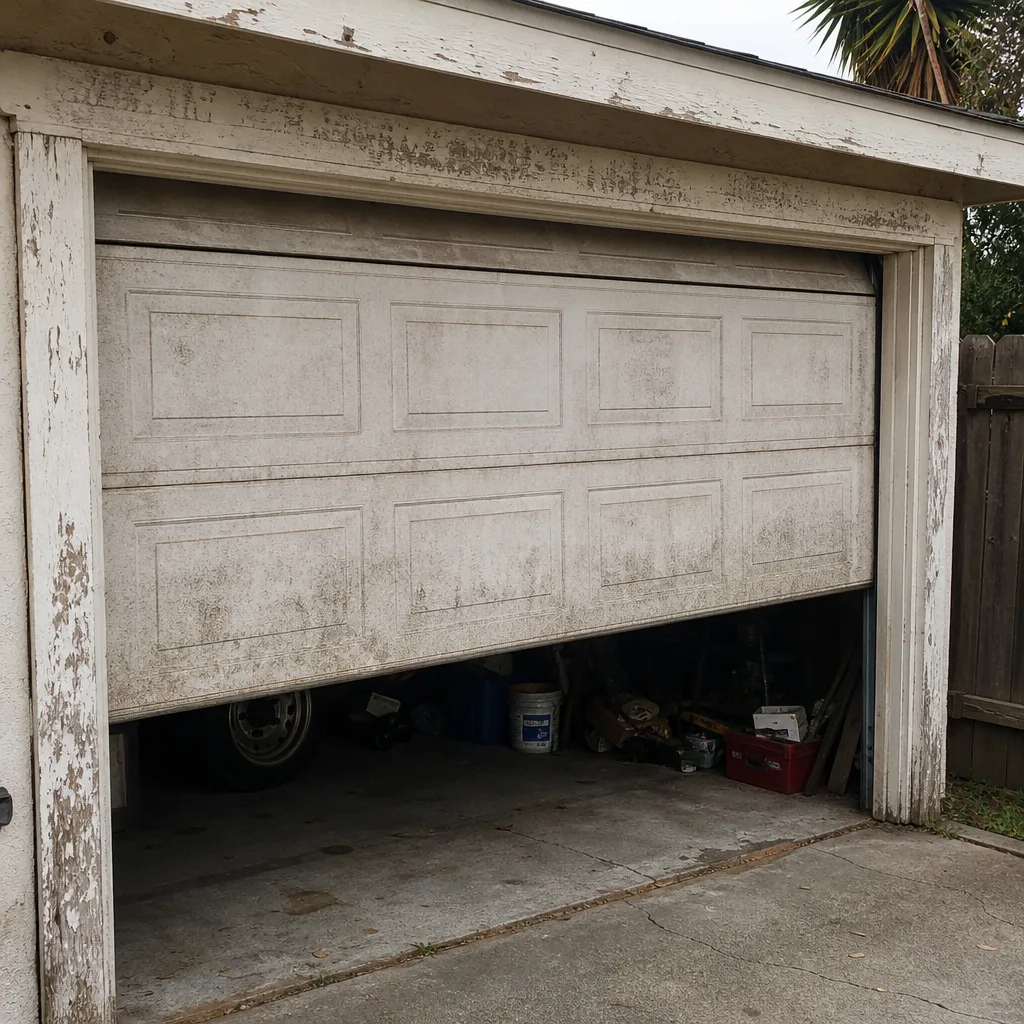 Before
 After
 Before
 After
 Before
 After