
Last updated October 30, 2026
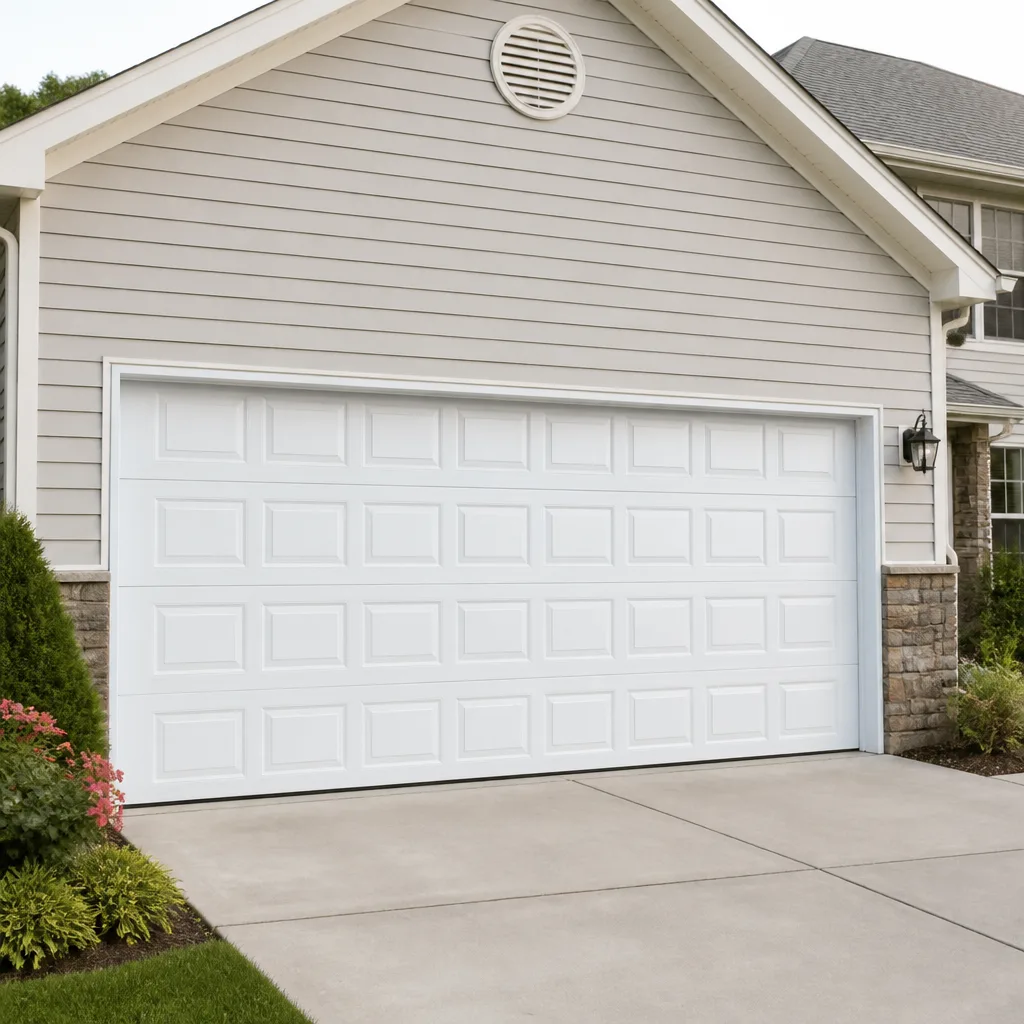 Raised-panel steel
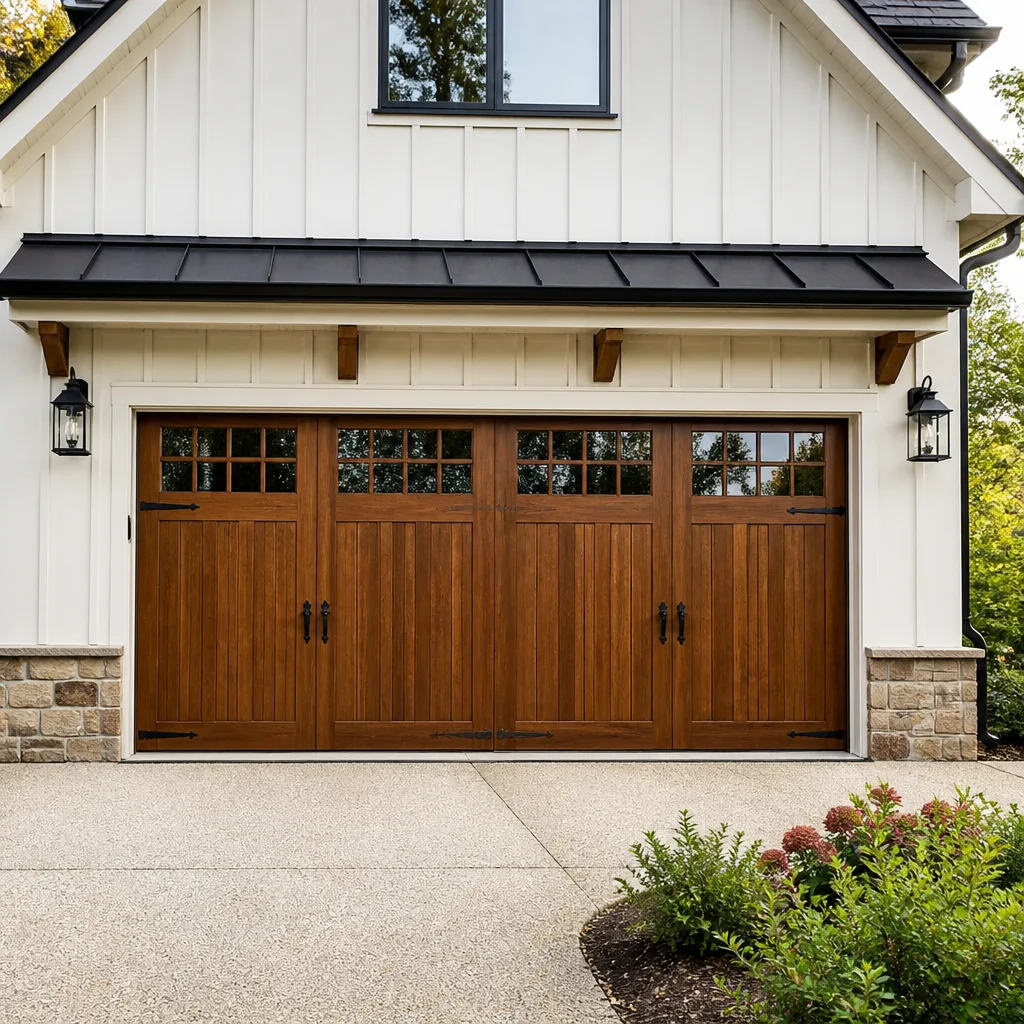 Carriage house
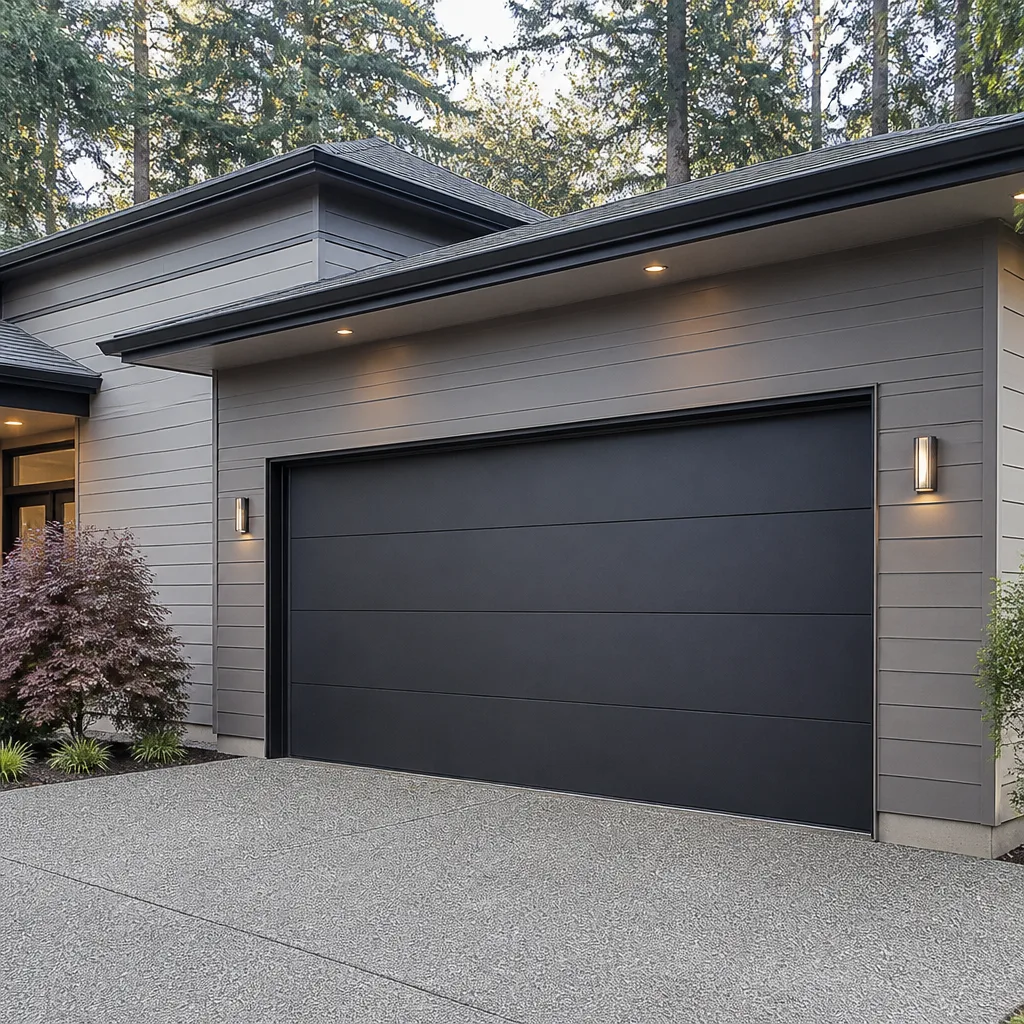 Modern flush
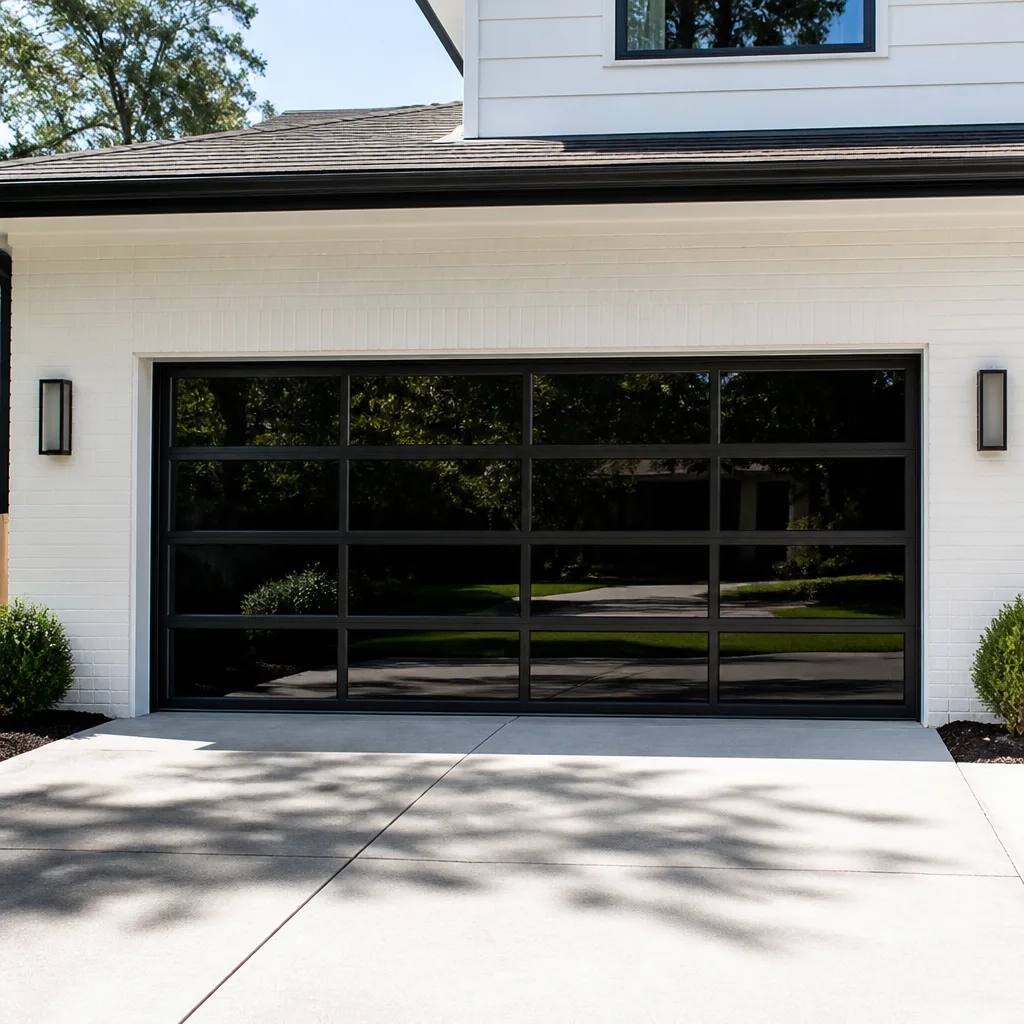 Full-view glass
 LiftMaster openers
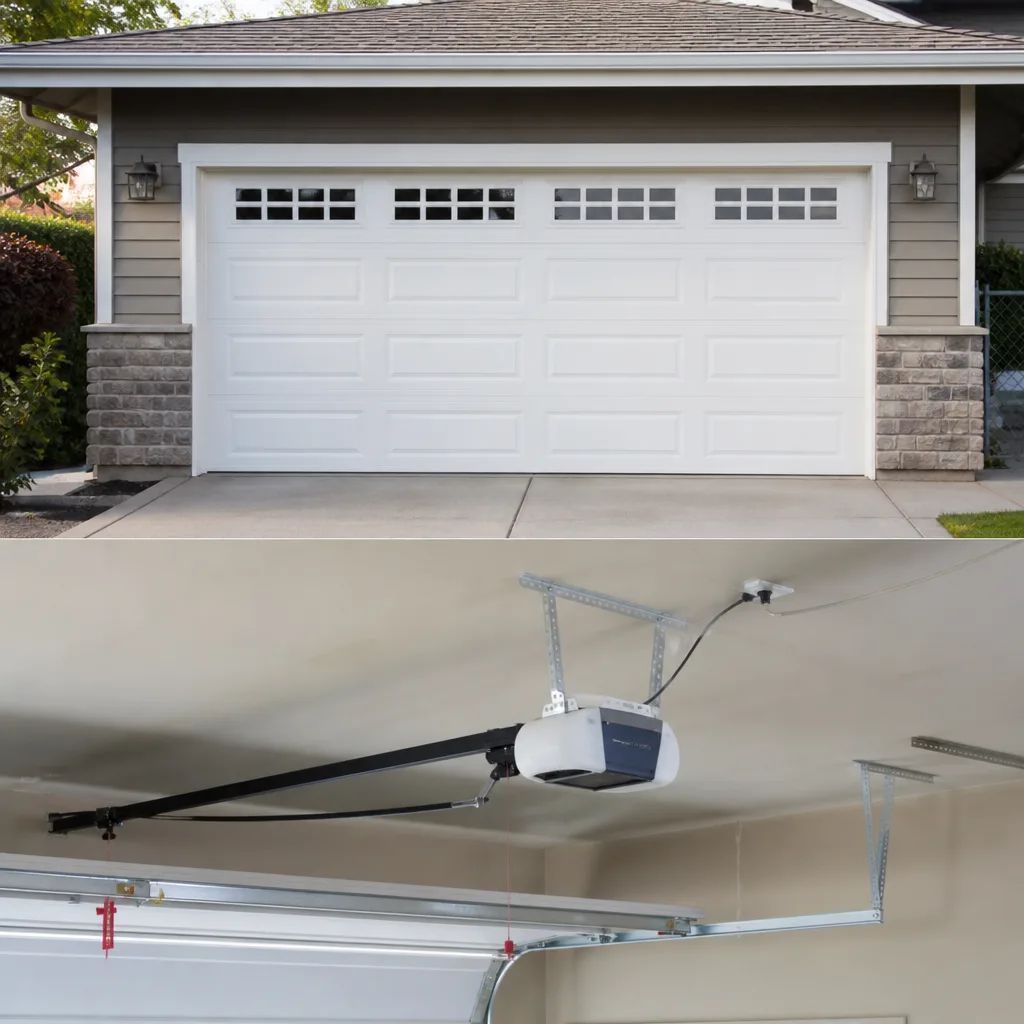 Chamberlain openers
Full 25-point door and opener safety check with every visit - springs, cables, rollers, tracks, and your LiftMaster or Chamberlain opener included
You get a price before we start. It does not change when the truck arrives.
Get your free estimateThe Complete Garage Door Repair Guide for Anaheim Homeowners
Anaheim’s inland climate creates a specific kind of wear on garage doors that you won’t find in coastal Orange County cities. The summer heat that pushes 95°F and beyond doesn’t just make your garage uncomfortable – it accelerates metal fatigue in torsion springs, dries out nylon rollers, and warps bottom seals. Most garage door guides are written as if every homeowner lives in a mild, dry climate with stable temperatures. That’s not Anaheim. This guide is written from the ground up for the systems installed in Anaheim homes, the way our heat cycles stress them, and the specific failures we see repeated across neighborhoods from Anaheim Hills to the Colony. By the time you finish, you’ll know how to read your own door’s symptoms, which repairs are safe to assess yourself, which ones demand a trained technician, and how to get a legitimate quote without getting taken for a ride.
Styles & brands we work with
Quick Answer
Garage door repair in Anaheim typically runs between $150 and $400 for most component failures – rollers, cables, sensors, hinges – while torsion spring replacement runs $200 to $350 depending on the spring size and cycle rating. The fastest path to a correct fix is identifying the specific component that failed, documenting your system’s brand and specs, and calling a garage door specialist who works on the exact manufacturer already in your garage. Porter Garage Door repairs and replaces doors and openers from eight major brands, so the diagnosis targets what you actually own.
Table of Contents
- Why Anaheim’s Climate Ages Garage Doors Faster
- Symptom Decision Tree: What the Failure Tells You
- DIY-Safe Checks vs. Repairs That Require a Pro
- How to Document Your Existing System Before Calling Any Company
- What a Legitimate Garage Door Repair Quote in Anaheim Looks Like
- Garage Door Opener Failures: When the Door Itself Is Fine
- Repair or Replace: How to Decide Without the Sales Pressure
- Common Mistakes to Avoid
- When to Call a Professional
- Frequently Asked Questions
- The Bottom Line
Why Anaheim’s Climate Ages Garage Doors Faster
Anaheim sits in a thermal sweet spot that quietly destroys garage door components. Unlike coastal cities where marine layer keeps temperatures stable, our inland valley swings from chilly winter mornings in the 40s to summer afternoons that bake garage interiors well past 100°F. Those daily and seasonal temperature cycles do something specific to metal: they force expansion and contraction, over and over, year after year.
Torsion springs are the most vulnerable. A torsion spring works by storing mechanical energy through twisting. Every time your door opens and closes, that spring flexes. Heat accelerates the metal fatigue process because steel loses a small percentage of its tensile strength at elevated temperatures, and the repeated heating and cooling creates micro-stress fractures that compound with normal use. We’ve replaced springs in Anaheim garages that failed at 7,000 cycles when the same spring rated for 10,000 cycles would have lasted years longer in a coastal city like Huntington Beach. The heat doesn’t cause the failure – it speeds up the clock.
Cables, bottom seals, and nylon rollers take their own hits. Rubber and vinyl seals dry and crack in Anaheim’s low-humidity heat. Nylon rollers lose their smooth surface over time and start grinding against steel tracks. Cables that run through pulleys and drums experience the same expansion-contraction stress as springs, especially where the cable bends around the drum. When a cable frays, it’s usually at that exact bend point. In our experience across Anaheim neighborhoods, the first hot spell of summer is when the backlogged damage from the previous winter shows itself. Doors that were noisy in March fail outright in July.
Symptom Decision Tree: What the Failure Tells You
Most garage door problems in Anaheim trace to four root causes. The symptom you’re seeing points to one of them more directly than you might think. Here’s how to read what your door is telling you.
Room-by-Room Symptom Map
1. The door is heavy, jerky, or won’t lift at all.
This points to the torsion spring system. When a spring breaks – you’ll often hear it, a loud bang like a gunshot from the garage – the door’s full weight shifts entirely to whatever is trying to lift it. If you have an opener, the opener’s motor is now fighting 150 to 250 pounds of dead weight it was never designed to move alone. That’s why a broken spring left unaddressed will destroy an opener’s gears within days or weeks. The fix is spring replacement, not opener replacement – though if the opener has been grinding against that weight, it may need service too.
2. The door moves but sounds rough, metallic, or grinding.
This points to rollers, hinges, and track alignment. Nylon rollers wear down in Anaheim’s heat and start dragging instead of rolling. Steel rollers rust and grind. Hinges loosen and shift the door’s weight distribution, which pulls sections out of alignment. Left long enough, a misaligned door bends the track itself, and a bent track is a much more expensive fix than a worn roller set. The tell: the noise gets louder at specific points in the travel, usually where the track curves. That’s the roller hitting a flat spot or the section binding.
3. The door starts, stops, reverses, or won’t respond to the opener.
This points to the opener, the safety sensors, or the logic board. Before you assume the opener is dead: check the sensor eyes near the floor. In Anaheim’s dust and spider-web conditions, those lenses get coated fast. A dirty or misaligned sensor stops the door cold. If the sensors are clean and aligned, the issue moves upstream to the opener’s logic board, travel limits, or capacitor. Modern smart-home openers from LiftMaster and Chamberlain add another layer – WiFi connectivity issues that have nothing to do with the mechanical door and everything to do with router placement or firmware.
4. The door is visibly crooked, gaps at the bottom, or light shows through the sides.
This points to cable issues or section damage. A snapped cable on one side leaves that corner unsupported, and the door tilts. A worn bottom seal lets Anaheim’s dust, leaves, and the occasional field mouse into the garage. Section damage – dents, rust-through, or cracked panels – compromises the door’s structural integrity and, if it’s an older wooden door, can create a moisture path that accelerates rot in the frame. The fix depends on the door’s age and brand, which is exactly why brand-matched repair matters.
One of the biggest time-savers for an Anaheim homeowner is recognizing which of these four buckets your problem falls into before you call. It changes the conversation from “my garage door is broken” to “the right-side cable snapped and the door is sagging on that corner.” The second conversation gets a more accurate diagnosis, a faster parts pull, and a tighter quote. That’s the difference between calling a specialist who works on your specific brand and calling a generalist who sees the door for the first time when they arrive.
DIY-Safe Checks vs. Repairs That Require a Pro
There’s a simple line between what’s safe to inspect yourself and what’s dangerous to attempt. We’ll be direct about it: torsion spring work is not a DIY job. The spring is under hundreds of pounds of torsional force, and when it releases, it releases instantly. The injuries from a spring failure during repair are catastrophic – broken bones, severe lacerations, and worse. Every year, homeowners end up in emergency rooms because a YouTube video made spring replacement look manageable. It isn’t.
DIY-safe checks and maintenance:
- Visual inspection of springs, cables, and rollers – you can look without touching. Look for separation in the spring coils, frayed cable strands, and rollers that wobble or drag.
- Sensor cleaning and alignment – wipe the sensor lenses with a dry cloth and check that both lights are solid, not blinking.
- Track cleaning – wipe debris from tracks with a rag. Don’t use grease on tracks; it collects Anaheim dust and creates grinding paste.
- Balance test – with the opener disconnected (pull the red release cord), lift the door manually to waist height. If it stays, the springs are balanced. If it drops or shoots up, the springs need attention. Do this with a door that has working springs. If one spring is already broken, don’t attempt it.
- Weather seal replacement – bottom seals on most brands slide out of a T-channel and slide back in. This is the single highest-value DIY maintenance for Anaheim homes because heat-cracked seals let in dust and pests.
Never DIY – call a trained professional:
- Torsion or extension spring replacement – non-negotiable. The torsion system holds energy that can kill. A trained technician uses winding bars and a methodical sequence, and knows the spring’s wire size, inside diameter, and cycle rating.
- Cable replacement – cables work in tension alongside springs. A snapped cable can whip, and the replacement process requires working near loaded components.
- Track realignment or replacement – you can clean tracks, but bending or repositioning them changes the door’s travel geometry. Get it wrong and the door can come off its rollers while in motion.
- Opener logic board or capacitor replacement – the capacitor holds a charge even when the unit is unplugged. A short across the wrong terminals is a shock risk.
- Any repair on a door that is currently stuck open – a stuck-open door has load still in the cables and springs. Disturbing the wrong point releases that load unpredictably.
The honest framing: you are not paying a professional for the parts. You’re paying for the sequence – knowing what to release, in what order, under what tension, and how to verify the system is balanced before the door moves again. That knowledge is specific to the brand of door and spring type in your garage, which is why Garage Door Repair in Anaheim demands a technician who’s worked on that exact system before, not someone figuring it out on site.
How to Document Your Existing System Before Calling Any Company
Here’s a step-by-step process that will save you time and money when you call for repair. Most homeowners call blind – “the door is broken” – and the technician has to diagnose everything from zero on arrival. That’s billable time spent identifying what you could have told them in 30 seconds.
- Find the brand name on your door. Look at the bottom panel corners, the edges of the panels, or the inside of a section. Amarr, Wayne Dalton, Craftsman, Clopay, and Raynor all stamp or label their doors somewhere visible. If the door is painted over, check the lock handle, the bottom bracket, or the hinge plates – manufacturers often mark those components.
- Find the opener brand and model. The motor housing on the ceiling rail has a label with the manufacturer (LiftMaster, Chamberlain, Genie, or Craftsman) and a model number. Write it down. Smart openers will also have a learn button color that tells the technician which generation of logic board you’re working with.
- Note the spring configuration. Look above the door opening. You’ll see either a torsion spring (a horizontal spring on a metal rod, mounted to the header) or two extension springs (long springs along the horizontal tracks). Torsion springs will have either one or two springs. This is the single most useful piece of information for a repair quote.
- Measure the door width and height. A standard Anaheim two-car garage door is 16 feet wide by 7 feet tall, but older homes in the Colony or newer builds in Anaheim Hills may have 8-foot doors or custom sizes. Door size determines spring size, cable length, and panel availability.
- Take photos. Wide shot of the full door from inside the garage, close-up of the spring system, close-up of the opener label, and a shot of any visible damage. These four photos let a specialist pre-diagnose before they arrive.
- Note the door’s age if you know it. If you bought the home new, the door’s age is the home’s age. If it was replaced, the permit or receipt date matters. Age determines whether your door still has parts in production. Some doors from the 1990s and early 2000s have discontinued panel profiles and hardware.
This documentation takes five minutes. It transforms the phone call from a long discovery conversation into a precise quote. And it signals to the company that you know what you own – which, in our experience, changes the quality of the quote you receive. A homeowner who can say “I have a 16×7 Amarr door with a single torsion spring and a LiftMaster 8550 opener” gets an accurate estimate. A homeowner who can’t gets a range so wide it’s useless.
This same documentation matters for Garage Door Installation in Anaheim. If replacement makes more sense than repair – and we’ll walk through that decision below – the spec sheet you’ve built tells the installer exactly what’s being replaced and what the new system needs to match.
What a Legitimate Garage Door Repair Quote in Anaheim Looks Like
Here’s what honest pricing looks like in our service area. These are the labor-and-parts ranges we see for common repairs, not teaser rates designed to get a truck to your driveway.
| Repair Type | Typical Anaheim Price Range | What’s Included |
|---|---|---|
| Roller replacement (set of 10-12) | $120 – $180 | Nylon rollers, labor, track wipe-down |
| Cable replacement (both sides) | $160 – $240 | New cables, re-spooling, tension verification |
| Single torsion spring replacement | $200 – $300 | Spring matched to door weight and cycle rating, labor, balance test |
| Double torsion spring replacement | $280 – $400 | Both springs, matched pair, labor, balance test |
| Safety sensor replacement | $90 – $150 | New sensors, alignment, opener test |
| Hinge replacement (per hinge) | $15 – $35 | Replacement hinge, labor |
| Bottom seal replacement | $80 – $140 | Seal, labor, door-edge cleaning |
| Opener logic board replacement | $180 – $300 | Board matched to model, install, reprogramming |
| Full opener replacement (motor unit only) | $350 – $650 | New opener, rail, safety sensors, wall console, labor, programming |
Two price-red-flag realities to watch for in Anaheim: companies that quote a suspiciously low service call fee and then “discover” a long list of add-on repairs once the technician is on site, and companies that bundle parts you don’t need into a quote because the technician gets a commission on parts volume. You shouldn’t see a line item for “track lube” or a new door seal as a mandatory add-on when your cable snapped. The quote should address the failure you described and the components directly related to resolving it.
A legitimate quote in Anaheim breaks down labor and parts separately. You should be told the price before work begins, and that price should hold unless the technician finds something that genuinely changes the scope – in which case they should call you, explain what changed, and get your approval on the new number. That’s how Porter Garage Door home runs every job: the price is quoted and agreed before any work starts. No invoice surprises. No “while I’m here” upsells.
Garage Door Opener Failures: When the Door Itself Is Fine
Half of the “broken garage door” calls we get are actually broken openers. The door is mechanically fine – springs balanced, rollers rolling, cables intact – but the motor isn’t moving it. Here’s how to tell the difference, and here’s why Anaheim’s specific conditions matter.
First, pull the red release cord and lift the door manually. If the door glides smoothly and stays put at waist height, the door is fine and the problem is in the opener. If the door is heavy or drops when released, the door has a spring or cable problem and the opener may have been working against it – which means the opener may now be damaged too. That distinction saves a lot of misdirected repair work.
The most common opener failures we see in Anaheim:
- Worn drive gears inside the motor housing. These are metal or composite gears that transfer motor output to the chain or belt. Anaheim’s heat accelerates composite gear wear. The symptom is a motor that hums but doesn’t move the door, or a door that moves with a grinding whine.
- Capacitor failure. The capacitor is what gives the motor its start-up burst. In heat, capacitors fail early. The symptom is a door that starts slowly, stalls halfway, and reverses. A $30 capacitor can fix a $400 opener – if the technician diagnoses it correctly instead of recommending full replacement.
- Logic board failure from power surges. Anaheim gets its share of brownouts during high-demand summer days, and older homes without whole-home surge protection see opener boards fail. The symptom is a door that won’t respond to remotes or wall consoles, or one that opens on its own.
- Safety sensor failures from dust and sun. Direct afternoon sun on a sensor eye will blind it, especially in west-facing garages in Anaheim’s summer. Dust from the Santa Ana winds coats lenses and blocks the beam. The symptom is a door that starts to close, then immediately reverses with the lights flashing.
Opener repair is its own discipline. The mechanical logic of springs and cables is one thing; the electrical and smart-home logic of a modern opener is another. That’s why Garage Door Opener Repair in Anaheim is a separate service – the technician diagnosing a LiftMaster smart opener with a WiFi connectivity issue needs a different skill set than the one replacing a torsion spring on a Clopay door. Both are garage door specialists. Both are solving different systems.
Repair or Replace: How to Decide Without the Sales Pressure
We’ll tell you what we tell every Anaheim homeowner who asks: the right answer depends on the door’s age, the failure’s location, and the long-term cost math. Not on what’s easier for the company to sell.
Repair usually makes sense when:
- The door is under 15 years old and the failure is a consumable component – spring, roller, cable, hinge, or seal. These parts are designed to be replaced, not to last the life of the door.
- The door’s structural panels are sound (no rust-through, no warping, no damage that affects the door’s rigidity).
- The door is from a brand still in production – Amarr, Wayne Dalton, Raynor, Clopay, and Craftsman all maintain parts availability for current and recent model lines.
- The opener is under 10 years old and the failure is a single component – a capacitor, gear kit, or board – rather than the motor itself.
Replacement usually makes sense when:
- The door is 20+ years old and has had multiple spring replacements, panel repairs, and is showing rust at the section joints. You’re paying for a new door one repair at a time.
- The failure is in the door’s structure itself – cracked or rusted-through panels – rather than a replaceable part.
- You own a wooden door in Anaheim that’s been through 20 summers of heat and low humidity. Wooden doors warp, crack, and rot here in ways steel doors don’t.
- The opener is 15+ years old, the door is aging, and you’re considering a smart-home upgrade anyway. Retrofitting a smart opener onto a dying door doesn’t make sense; replacing both as a matched system does.
The honest-advisor position is built into how we work. We’ll walk through the decision with you in plain terms – replacement cost today versus the projected repair cost over the next three to five years – and let the numbers do the talking. If repair is the smarter move, that’s what we’ll recommend. “Repair or replace – we’ll tell you which one actually makes sense” isn’t a slogan; it’s the way the conversation goes.
Common Mistakes to Avoid
- Leaving a broken spring unrepaired while still using the opener. Every opener cycle after a spring breaks puts that much more stress on the opener’s drive gears and motor. A week of “just opening it manually” with the opener still connected and pulling against the dead weight will destroy the opener. When a spring breaks, stop using the opener and call for spring replacement.
- Greasing the tracks. Garage door tracks are not meant to be lubricated. Grease on tracks collects Anaheim’s fine dust and grit, creating an abrasive paste that wears rollers faster and makes the door noisier. Lubricant goes on rollers, hinges, and springs – not on the tracks.
- Ignoring early noise as “just an old door.” A door that starts grinding, squealing, or thumping has a component in distress. The earlier that component is identified, the cheaper the fix. That grinding roller you’ve ignored for six months has been wearing a flat spot – and the track it runs in.
- Replacing the opener when the problem is the door. A door that’s heavy because of a failing spring will make a working opener look broken. The opener struggles, the motor strains, and the homeowner assumes the opener is the problem. Replacing the opener without fixing the door is paying for a new motor to fight the same losing battle.
- Calling from a place of no information. We covered the documentation process above, but it bears repeating: calling without the door brand, spring type, or symptom history means paying for on-site discovery time. Five minutes of documentation saves you money on the first visit.
- Treating all garage door companies as interchangeable. A plumbing-and-HVAC general contractor who also does garage doors doesn’t have the same brand-specific parts stock, diagnostic familiarity, or repair volume as a company that does garage doors exclusively. The difference shows up in parts availability and time to fix.
When to Call a Professional
Call a garage door specialist when any of these are true: a spring has broken, a cable has snapped or is visibly fraying, the door is off its track, the door is stuck open or stuck closed, the opener is making grinding noises, or the safety sensors won’t stay aligned and the door reverses unpredictably. Also call if you’ve done the balance test and the door drops or shoots up – that’s spring tension out of spec, and it’s a repair, not a maintenance item. Porter Garage Door offers free estimates in Anaheim – call (833) 589-5745 and we’ll walk through what you’re seeing, help you identify the likely failure point, and give you a straight answer on what the repair should cost.
Frequently Asked Questions
Spring replacement in Anaheim typically runs $200 to $350 for a single torsion spring and $280 to $400 for a matched pair, depending on the spring’s wire size, inside diameter, and cycle rating. The spring must be matched to the door’s weight – a lightweight 8-foot door takes a different spring than a heavy 16-foot steel door – and the price reflects the specific spring your door needs. Call (833) 589-5745 for an exact quote on your system.
For spring, cable, and roller failures, same-day repair is usually possible in Anaheim if we have the specific parts for your brand on the truck. We carry stock for LiftMaster, Chamberlain, Genie, Clopay, Amarr, Wayne Dalton, Craftsman, and Raynor systems, which means most repairs happen on the first visit. Call (833) 589-5745 for Garage Door Repair services and we’ll tell you honestly whether your repair is same-day or next-day.
The price we quote over the phone holds unless the technician finds a separate issue that changes the scope of the repair – in which case they’ll call you, explain what was found, and get your approval on the new number before any work continues. You’re never billed for work you didn’t approve. The price is agreed before any work starts, every time.
We work on eight major garage door and opener brands: LiftMaster, Chamberlain, Genie, Clopay, Amarr, Wayne Dalton, Craftsman, and Raynor. That means the technician who arrives at your Anaheim home has hands-on experience with the specific system in your garage, not just a generic door. Brand-matched parts mean faster diagnosis and fewer return trips.
No. When one spring breaks, the remaining spring (if there is one) is now carrying the full load it was never rated for, and the opener is pulling against the extra weight. Every cycle damages both the opener and the remaining spring. Disconnect the opener using the red release cord, leave the door closed if possible, and call for spring replacement immediately.
A well-maintained steel garage door in Anaheim lasts 15 to 25 years, but the springs, cables, and seals on that door will be replaced multiple times during its life – the heat cycles in our inland climate age those components faster than the door panels themselves. A door from a brand like Amarr, Wayne Dalton, or Raynor that’s properly adjusted and maintained will outlast its first two or three sets of springs.
The Bottom Line
Anaheim’s heat cycles make garage door failures more predictable than you might think – the specific components that fail, the order they fail in, and the symptoms they produce are all patterns a specialist sees every week across this city. Knowing your spring type, your opener brand, and your door’s age before you call is the difference between a sharp quote and a wide range. Knowing which repairs are DIY-safe and which are genuinely dangerous protects your hands and your bank account. And knowing when repair beats replacement keeps you from paying for a new door when a $120 roller set solves the problem. When the math points toward calling, call a company that does garage doors exclusively and works on the brand already in your garage – that’s the fastest path from breakdown to fixed. For more guides & resources, explore our blog.
Call Porter Garage Door at (833) 589-5745 for a free estimate on any garage door or opener repair in Anaheim.
Written by the team at Porter Garage Door, serving Anaheim since 2015.
See the difference
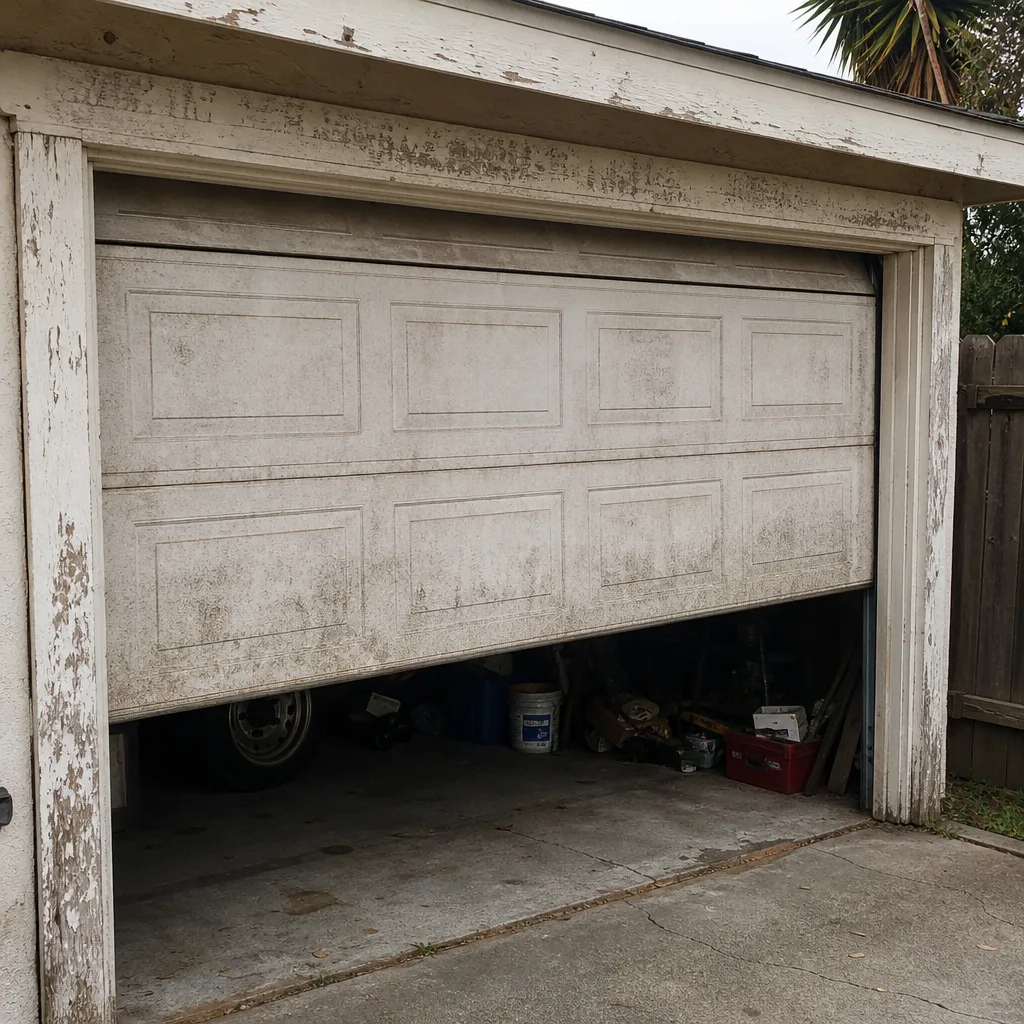 Before
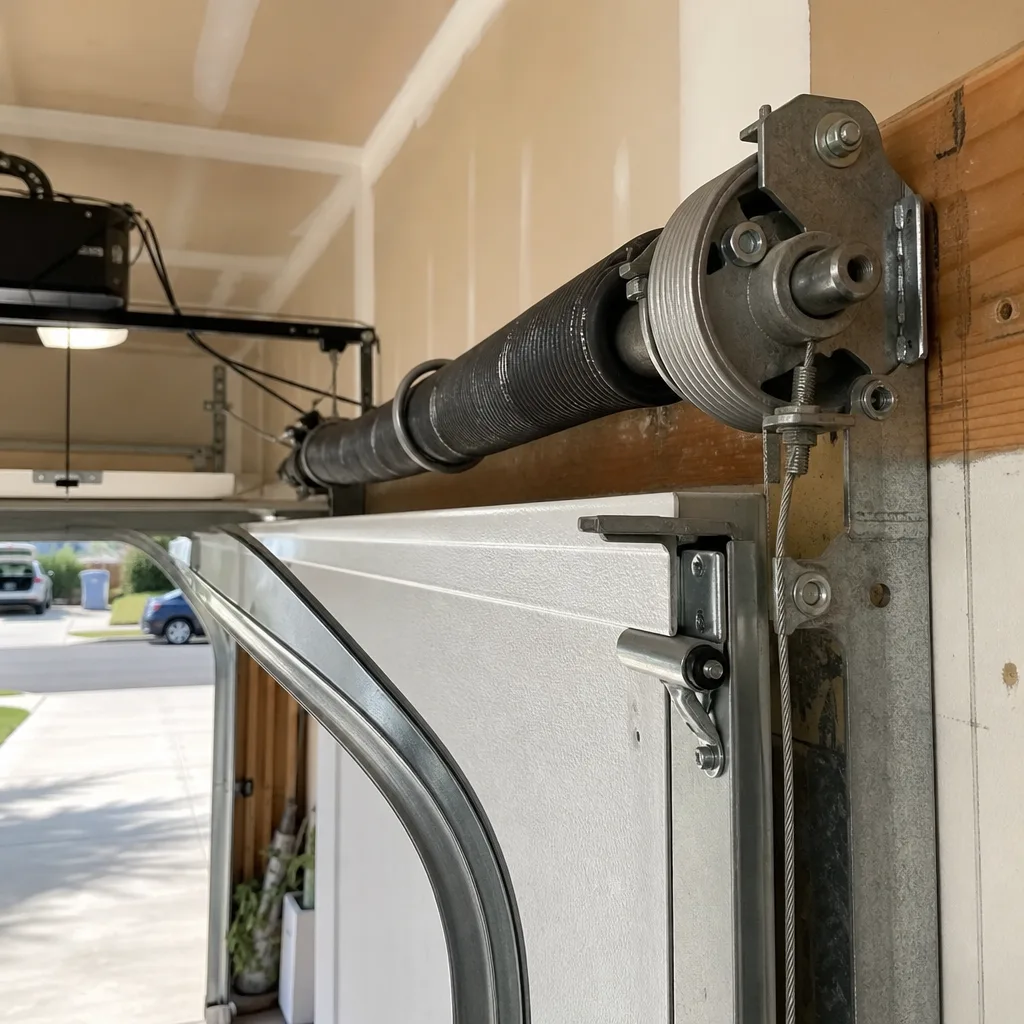 After
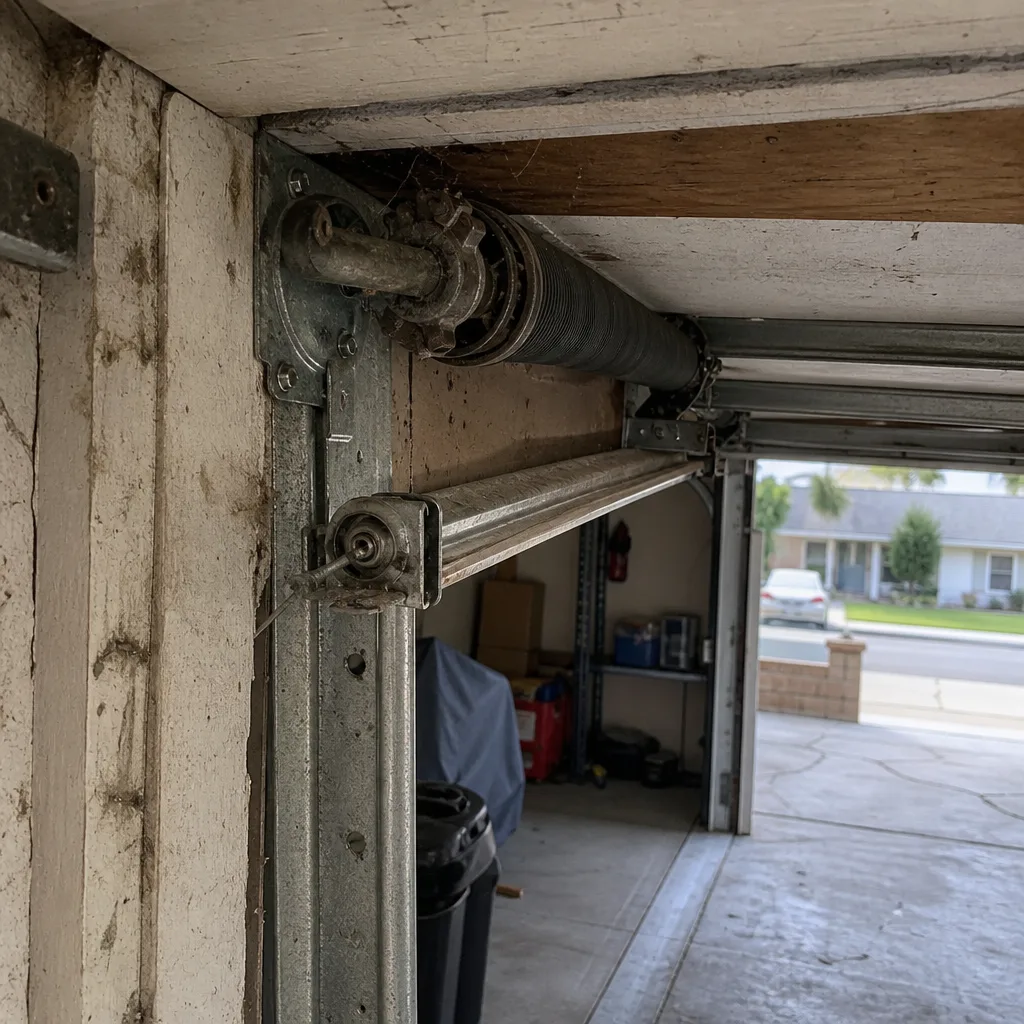 Before
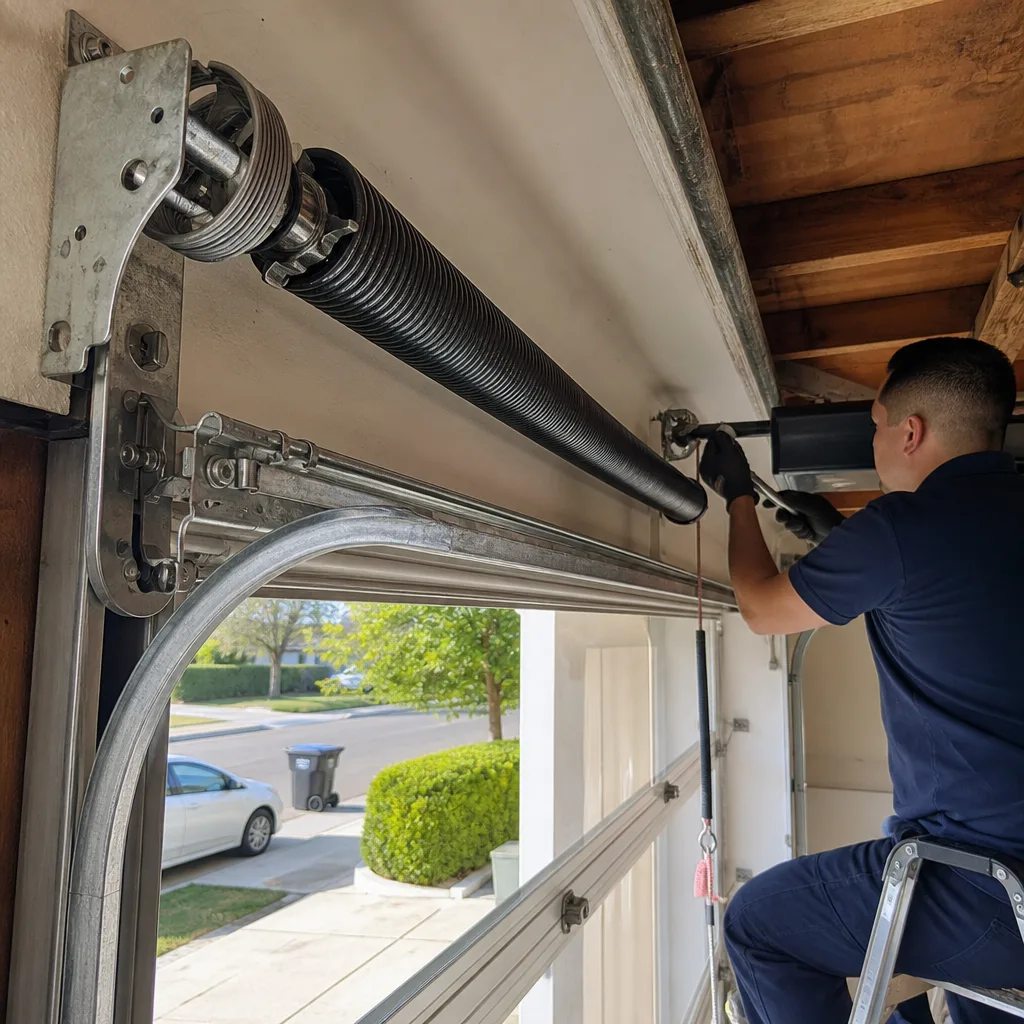 After
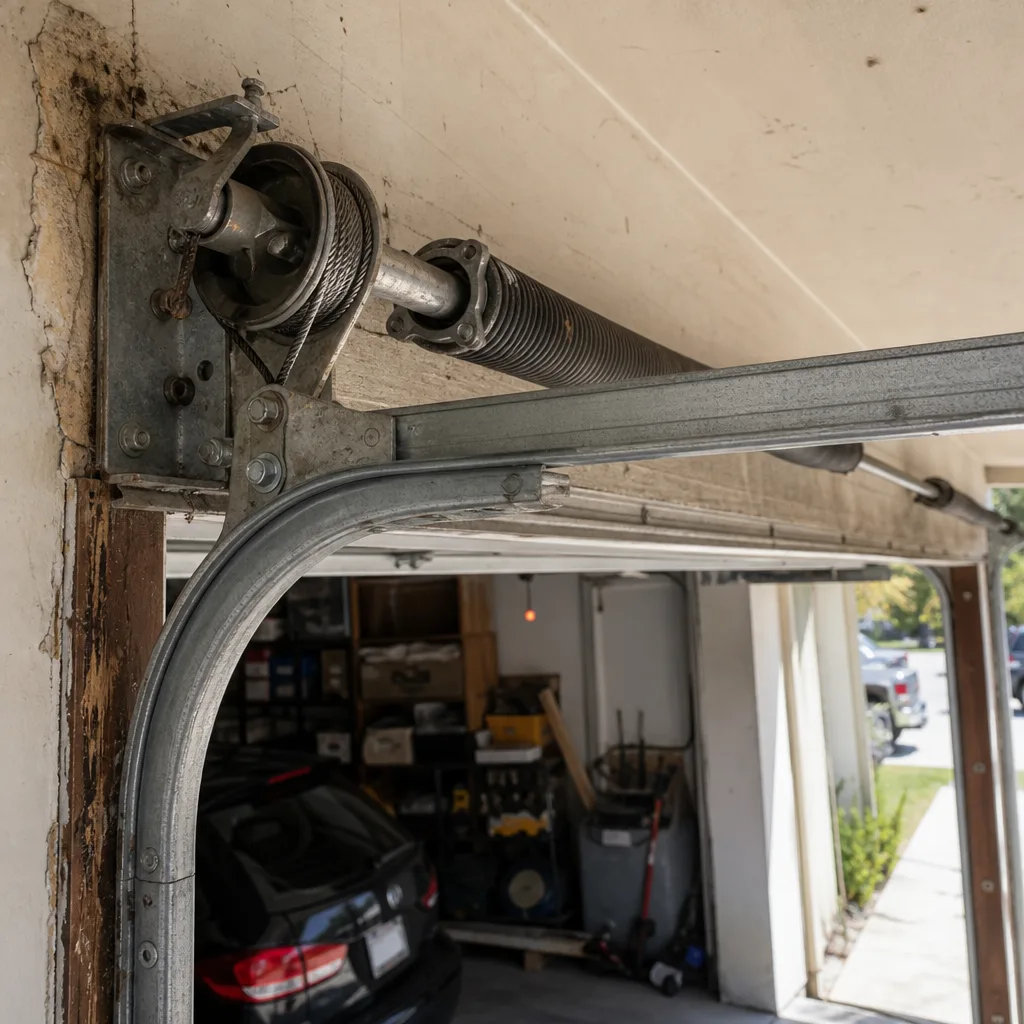 Before
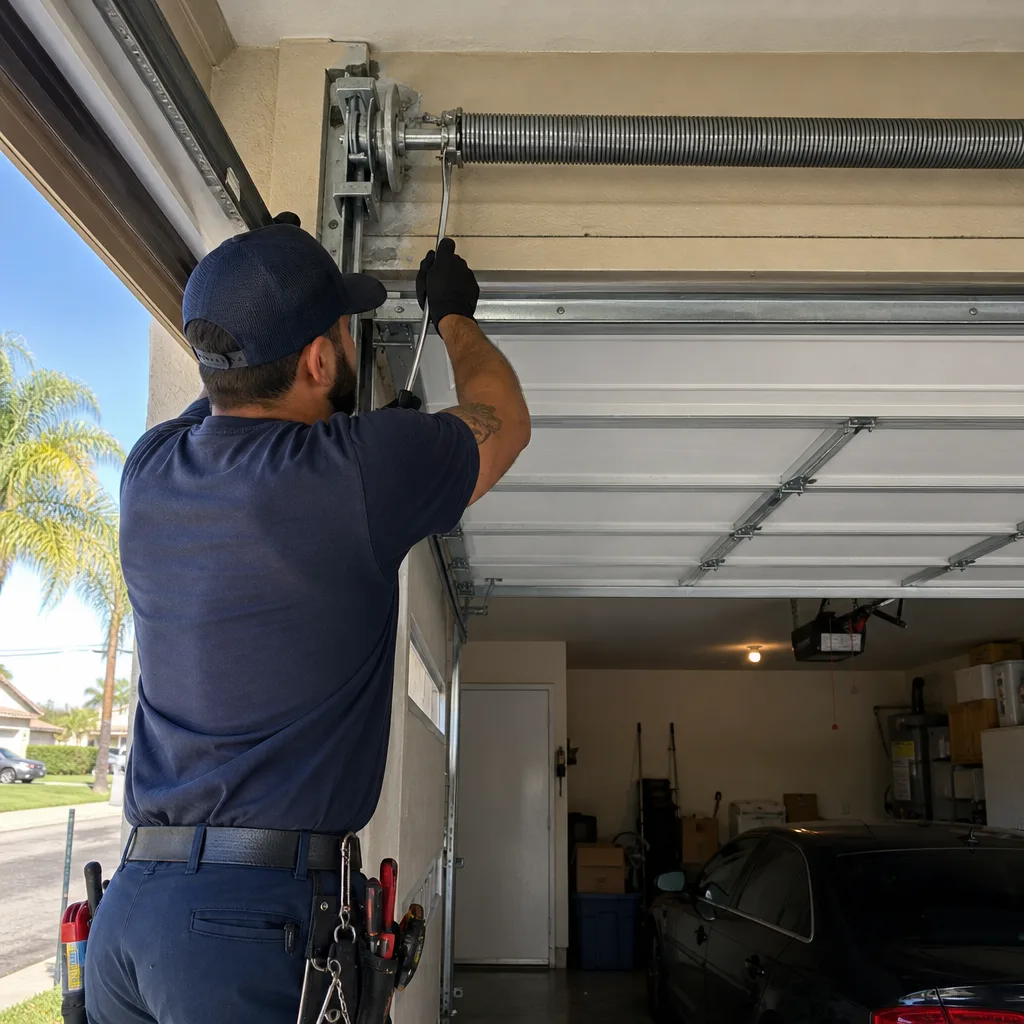 After