Last updated October 30, 2026
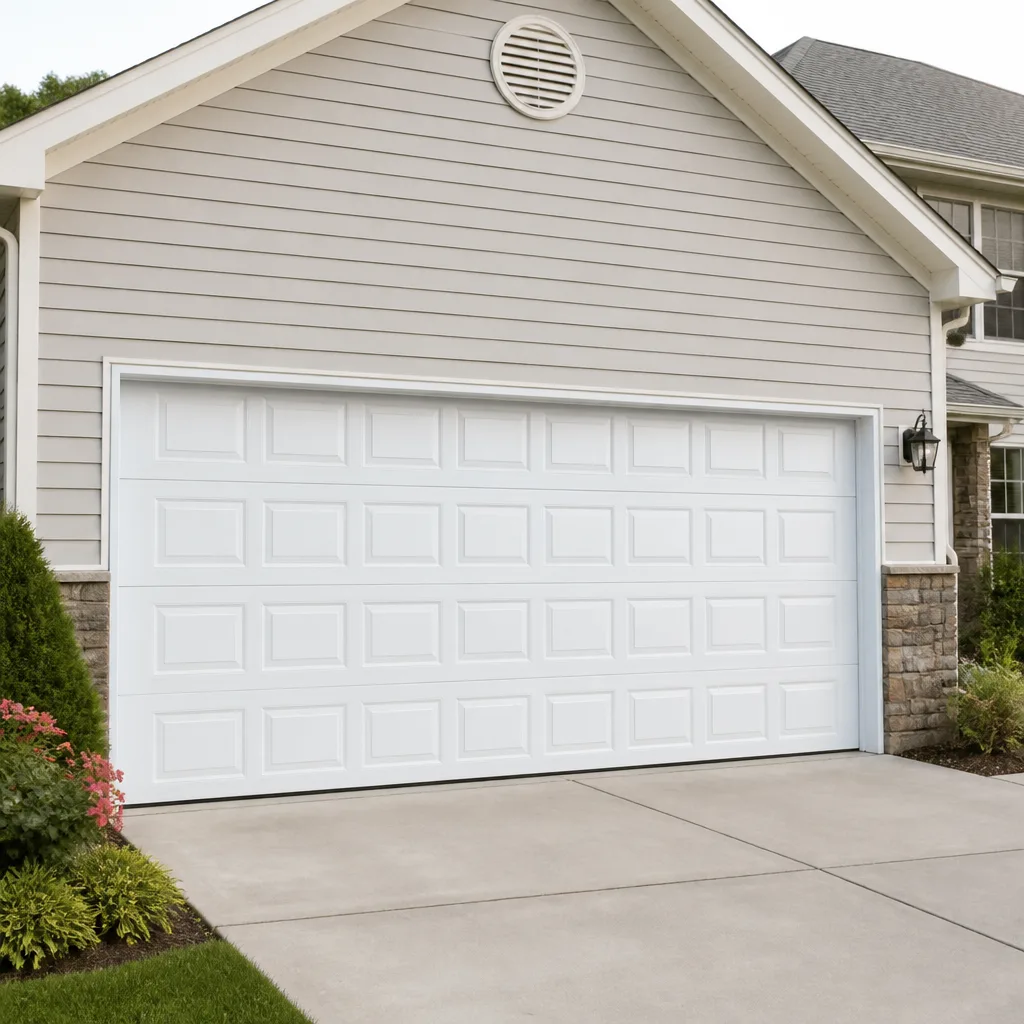 Raised-panel steel
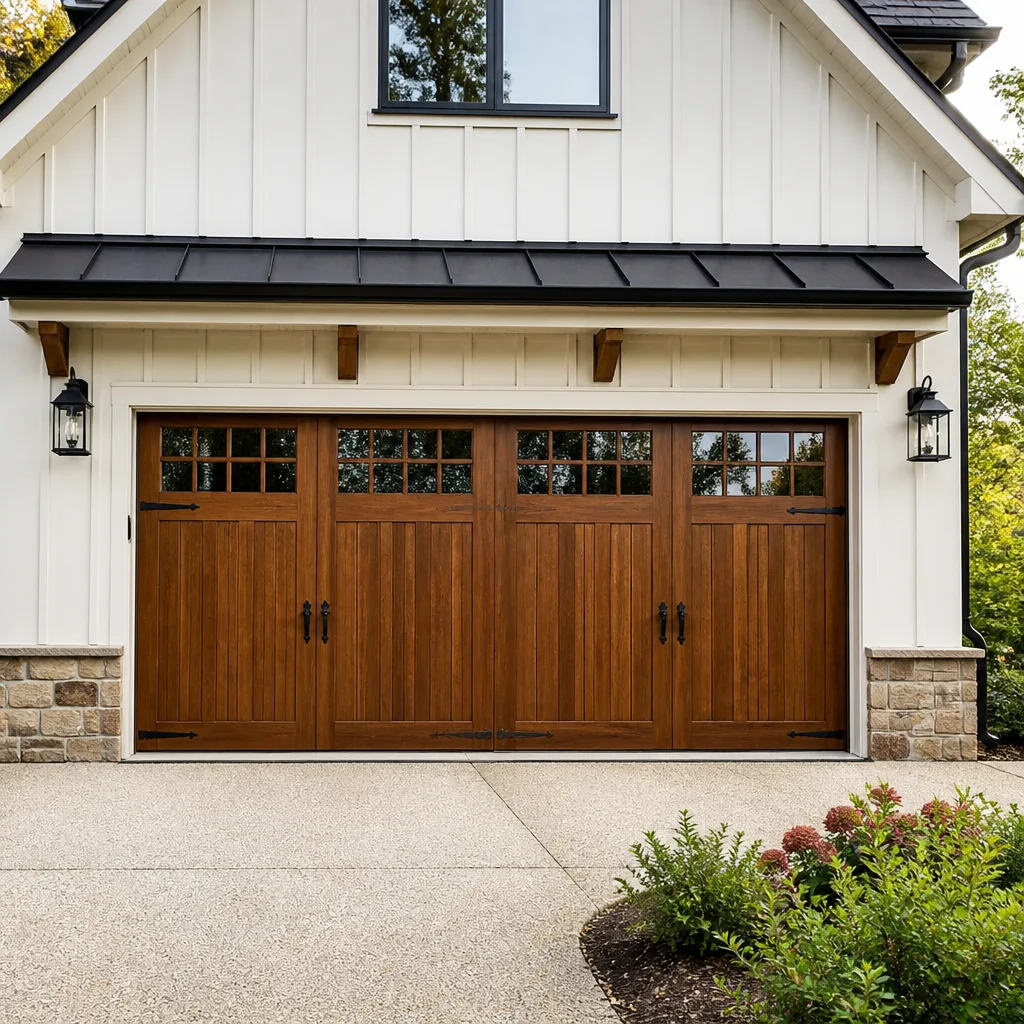 Carriage house
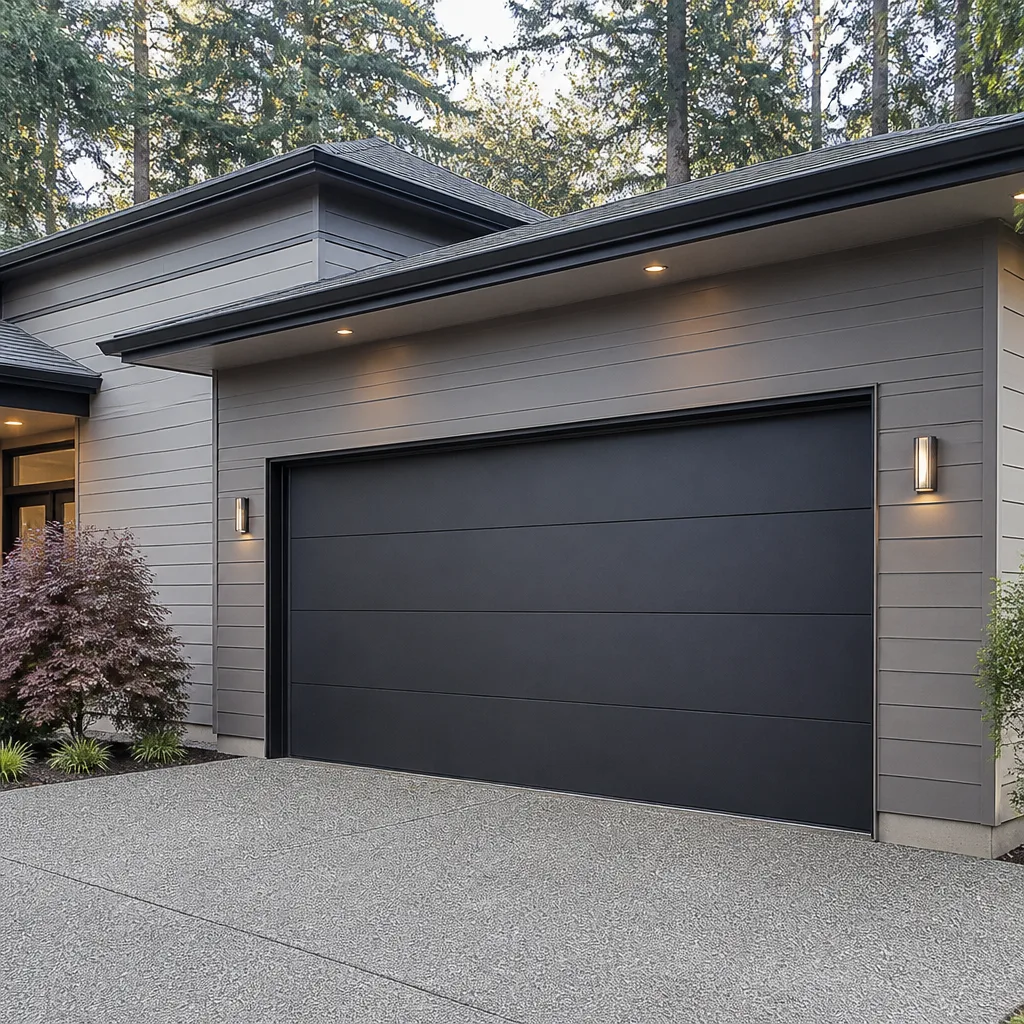 Modern flush
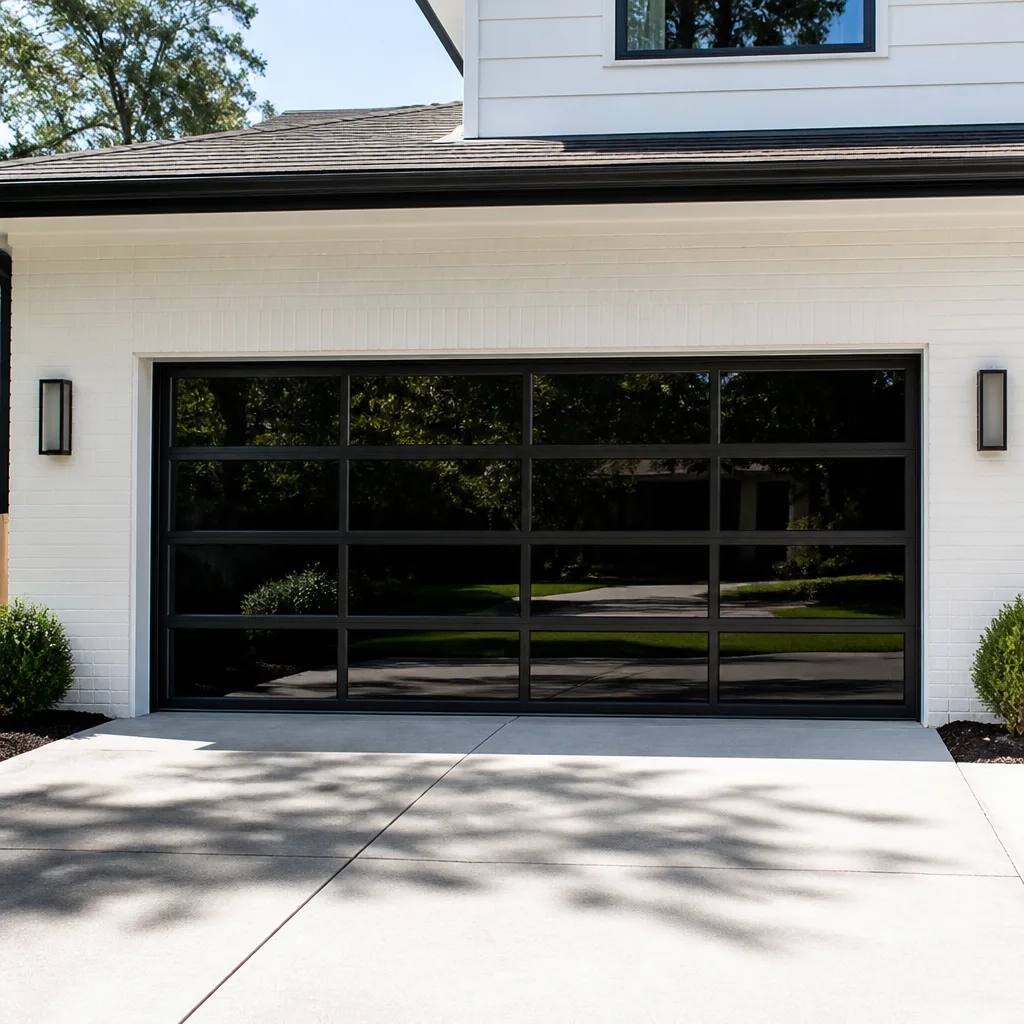 Full-view glass
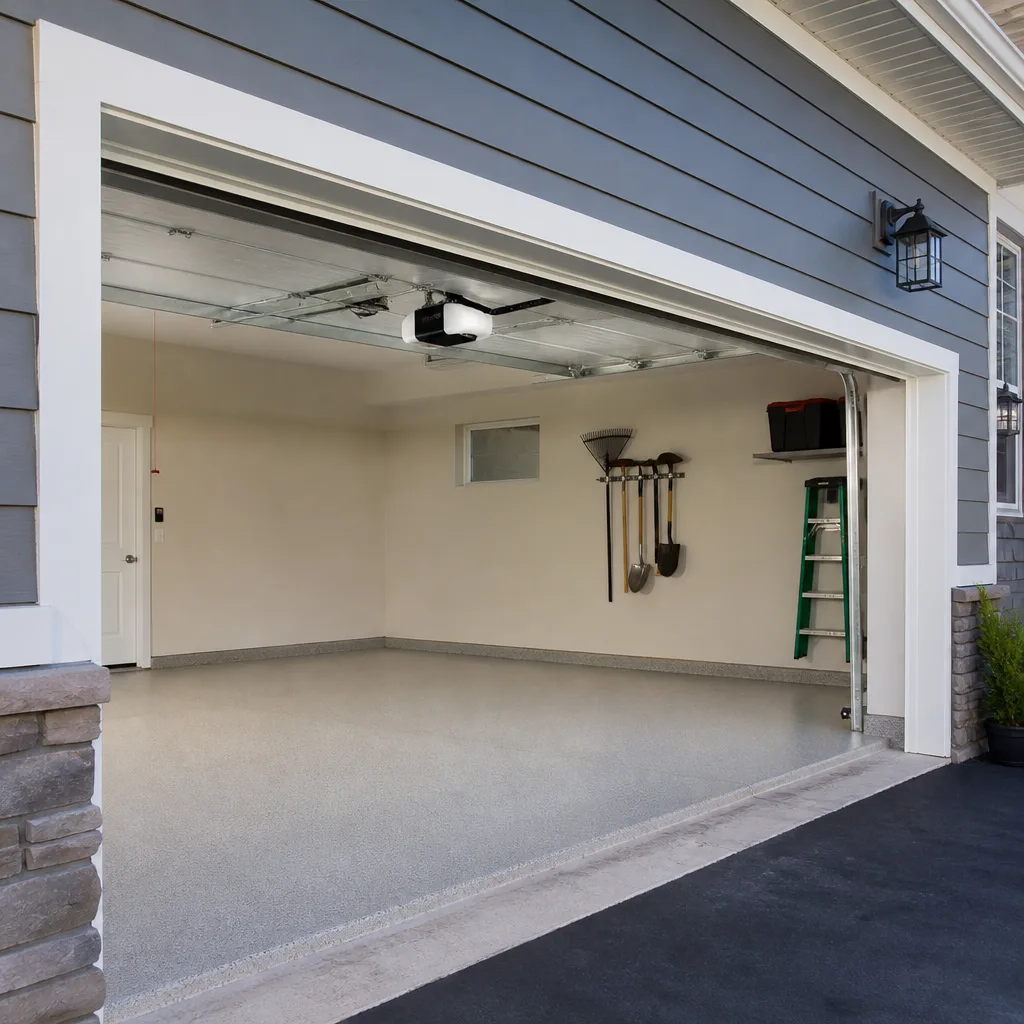 LiftMaster openers
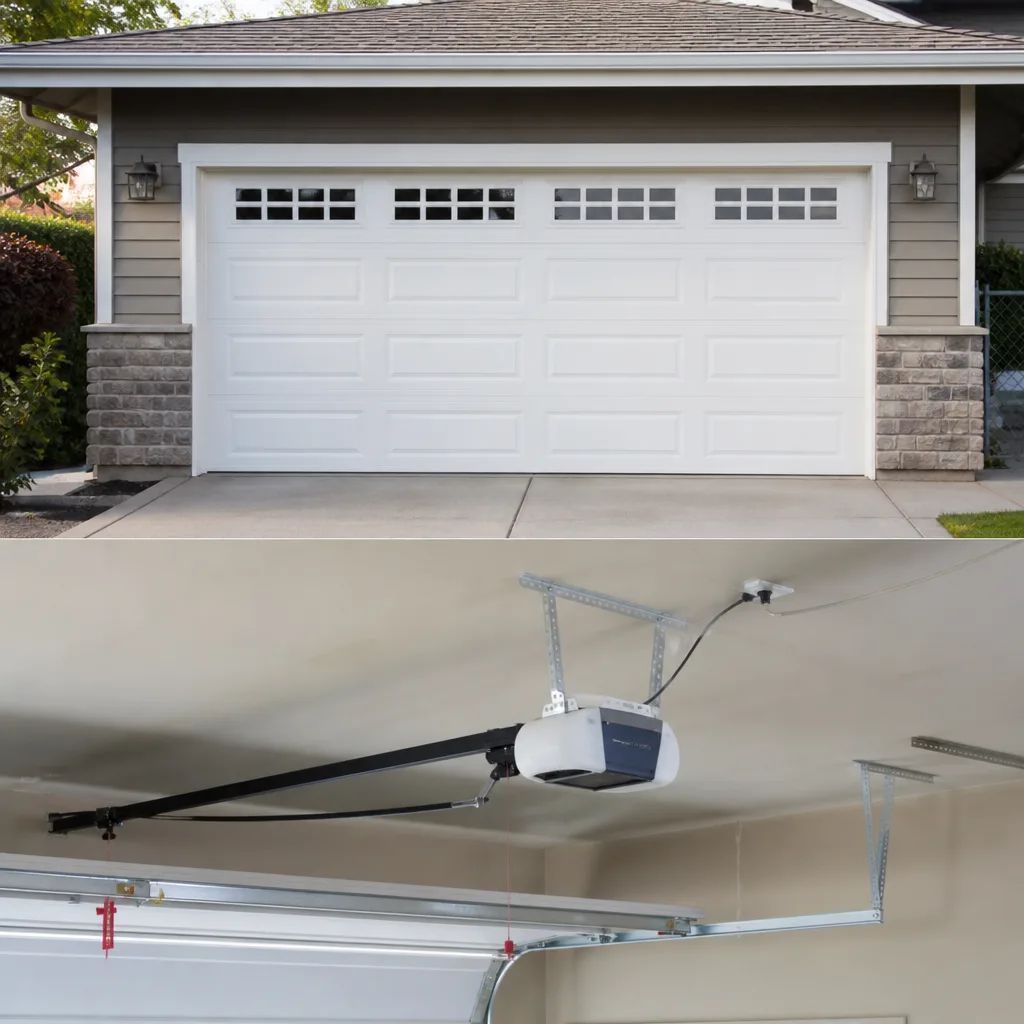 Chamberlain openers
Full 25-point door and opener safety check with every visit - springs, cables, rollers, tracks, and your LiftMaster or Chamberlain opener included
You get a price before we start. It does not change when the truck arrives.
Get your free estimateDIY vs Professional Garage Door: The Anaheim Homeowner’s Decision Guide
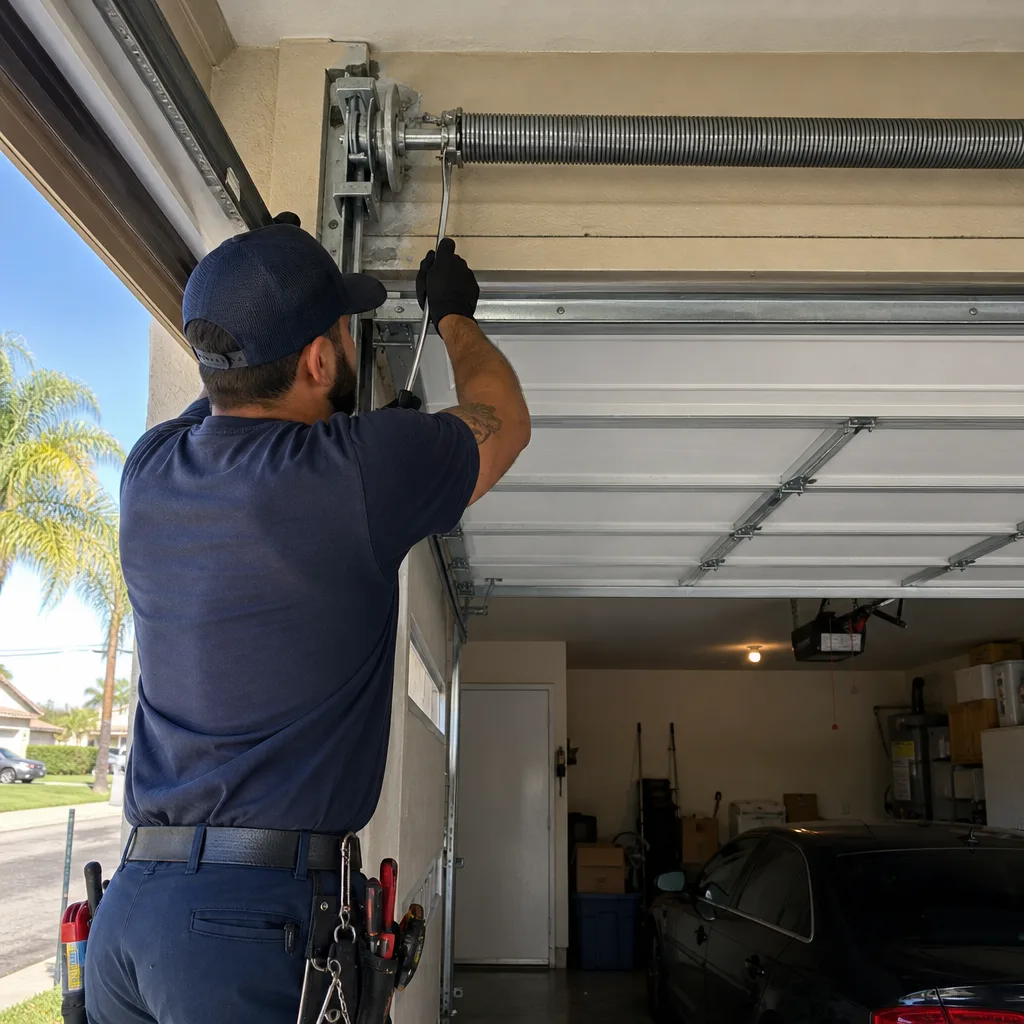
Every year, roughly 1,600 Americans land in emergency rooms from garage door injuries, and the overwhelming majority of those cases involve torsion springs. In Anaheim, where the average garage sees four to six open-close cycles daily and summer heat pushes metal components through aggressive expansion-contraction cycles, that statistic isn’t abstract. It’s a neighbor. This guide and our more guides & resources won’t tell you to never pick up a wrench. It will tell you exactly which garage door tasks carry hard stops: injury risk, code liability, and warranty voidance that make the DIY decision financially irrational no matter how capable you are. You’ll learn what’s safe to tackle this weekend, what isn’t, and what a botched job actually costs in Orange County.
Styles & brands we work with
Quick Answer
DIY garage door work in Anaheim makes sense for about 20% of tasks: weather stripping replacement, sensor realignment, remote reprogramming, and basic lubrication. The other 80% – torsion springs, cables, track repair, panel replacement, and opener motor work – involves stored mechanical energy, California code compliance, or manufacturer warranty language that makes professional service the only rational choice. When in doubt, the test isn’t “can I figure this out on YouTube” – it’s “what happens to my body, my home, and my warranty if this goes wrong.”
Table of Contents
- The Injury Data: Why Garage Doors Aren’t Comparable to Other DIY Risks
- Task-by-Task Breakdown: Safe DIY vs Hard Stops
- The Safe DIY List: What Anaheim Homeowners Can Actually Do
- Warranty Realities: How DIY Work Affects Manufacturer Coverage
- California Code Considerations for Anaheim Garage Door Work
- The Real Cost of a Failed DIY Attempt in Anaheim
- Why Brand Fluency Changes the Professional Service Equation
- Common Mistakes to Avoid
- When to Call a Professional
- Frequently Asked Questions
- The Bottom Line
The Injury Data: Why Garage Doors Aren’t Comparable to Other DIY Risks
Most home repair injuries are lacerations, falls, or minor burns. Garage door injuries are different. A residential torsion spring stores between 100 and 250 pounds of torque, depending on door weight. When that spring fails during a DIY adjustment, the release isn’t predictable. It’s instantaneous. The winding bar becomes a projectile. Fingers get degloved. Wrists shatter. Forearms break in compound fractures. And the person holding the bar is rarely the only casualty – drywall, car hoods, and bystanders take the hit too.
We’ve seen what a botched spring job looks like when it arrives at a Anaheim home after the fact, and it’s usually worse than the original problem by a factor of ten. A homeowner calls because a spring snapped. They watch three videos, buy a pair of winding bars from a hardware store in Anaheim, and try to torque a new spring onto the shaft. What we then get called to fix is often a misaligned cable drum, a bent torsion tube, and a bruised ego that costs an extra hundred dollars in parts alone. The math on DIY springs rarely works because the failure mode is catastrophic, not incremental.
The Consumer Product Safety Commission has tracked garage door injuries since 1982 and consistently finds two leading causes: spring-related impact injuries and finger entrapment in section joints. Neither is fixable with a first aid kit. In our experience across Anaheim, the homeowners who attempt DIY spring work tend to underestimate two things: the tension already in a partially-wound spring, and the force required to control a winding bar if it slips. Both are unforgiving.
This isn’t a gatekeeping argument from a trade that wants your money. It’s a physics argument. A coil spring under full tension is a loaded weapon. We recommend treating it like one: don’t touch it, don’t lean near it, and call someone whose job it is to handle it safely. Our Garage Door Repair in Anaheim team handles spring failures daily with the right equipment and the right respect for the mechanics involved.
Task-by-Task Breakdown: Safe DIY vs Hard Stops
Here’s the honest breakdown. No scare tactics. Just a clear list of what’s in-bounds and what isn’t for a competent Anaheim homeowner with standard tools.
Safe DIY Tasks (Minimal Risk, No Code Implications)
- Weather stripping replacement – peel off the old, clean the groove, press in the new. Fifteen minutes, no liability.
- Sensor realignment – loosen the wing nut, adjust the angle until the LED turns solid, retighten. Done.
- Remote control reprogramming – follow the brand-specific reset procedure. Works for LiftMaster, Chamberlain, Genie, Craftsman. Takes five minutes.
- Track lubrication – white lithium grease on rollers, hinges, and the opener rail. Reduces noise, extends component life.
- Door balance test – pull the release cord and lift the door manually. If it stays halfway up, springs are healthy. If it drops, call a pro.
- Keypad battery replacement – slide the cover, swap the 9-volt, reprogram if needed.
Hard Stops (Do Not Attempt)
- Torsion spring replacement or adjustment – lethal stored energy. Never DIY.
- Extension spring replacement – still under extreme tension. The safety cable removal alone is a hazard.
- Cable replacement or repair – cables are under load whenever the door is up. A snapped cable can lash.
- Track bending or replacement – requires precise alignment; a misaligned track causes binding and derailment.
- Opener motor replacement – electrical, mechanical, and safety sensor integration. Wrong wiring can fry the logic board.
- Sectional panel replacement – full panels are heavy, under spring tension, and require alignment expertise.
Gray Zone (Context-Dependent)
- Roller replacement – bottom rollers on the door are under cable tension. Top rollers are more accessible but still require care.
- Opener gear replacement – possible for the very experienced, but access requires disassembly that voids most warranties.
- Hinge replacement at the section joints – doable if the door is locked in the open position with the spring tension controlled, but risk escalates quickly.
For anything in the Gray Zone or Hard Stop columns, the cost of doing it wrong exceeds the cost of doing it professionally. And in Anaheim’s competitive market, professional garage door work is priced surprisingly close to what a DIYer spends on quality parts. That gap widens when you factor in the repair call for the mistake.
The Safe DIY List: What Anaheim Homeowners Can Actually Do
This section is for the homeowner who wants to stay hands-on without getting hurt. These four tasks genuinely make sense to do yourself, and here’s how to do them correctly in Anaheim’s specific climate and housing stock.
1. Weather Stripping Replacement (Anaheim-Specific)
Anaheim’s dry heat cracks rubber seals faster than coastal cities. Your bottom seal probably starts failing at the 3-4 year mark. Here’s the process:
- Measure the width of the existing seal (common sizes are 3″, 4″, and 5″).
- Buy a matching replacement online or at a local hardware store. Universal kits don’t seal Anaheim garage floors well given how many homes have slight concrete slope for drainage.
- Pull the old seal out of the retaining channel. If it’s brittle, it’ll come out in pieces – use pliers on the stubborn sections.
- Spray the channel with silicone lubricant.
- Feed the new seal in from one side, working it across. Do NOT stretch it – excess length gets trimmed at the end.
- Cut flush with snips or a utility knife.
Time: 20 minutes. Cost: $15-35. Risk: essentially zero. This is the DIY task that pays for itself immediately in energy efficiency and pest control. Anaheim residents who park in attached garages also reduce the bugs that crawl under old seals during summer months.
2. Sensor Realignment (Photo Eye)
When your garage door reverses immediately after hitting the floor, or the opener light flashes ten times, it’s usually a misaligned photo eye. This is the most common issue we see in Anaheim homes with older Chamberlain, LiftMaster, or Genie openers. Fix:
- Check both sensors – one on each side of the door opening, about six inches off the floor.
- Look at the LED. Green means aligned, red or blinking means misaligned.
- Loosen the wing nut holding the sensor bracket.
- Gently adjust the angle until the LED turns solid green.
- Tighten the wing nut.
- Test the door.
Time: 10 minutes. Cost: free. Risk: none. The biggest mistake people make is skipping the cleaning step – spider webs and dust on the lens cause false misalignment readings, and Anaheim has plenty of both.
3. Remote Programming
Most modern openers from LiftMaster, Chamberlain, Genie, and Craftsman use a “Learn” or “Program” button on the motor unit that makes remote pairing a 60-second job. The key is knowing which brand you have. Porter’s Garage Door Opener Repair in Anaheim team works across all these brands daily, and the programming process differs meaningfully between them. For Raynor and Amarr openers, the reset procedure is often model-specific. If your remote won’t pair after following the manual, it may be a receiver board issue rather than a programming issue – and that’s a professional job.
4. Basic Lubrication
Use white lithium grease or silicone spray, not WD-40. WD-40 is a solvent, not a lubricant, and it’ll strip the existing grease. Target:
- Rollers (the wheel bearings, not the track)
- Hinges at each section joint
- The opener rail (silicone spray only)
- Torsion spring surface (light coat prevents rust and squeak)
Frequency: Every six months in Anaheim. The dry climate bakes off lubricant faster than coastal humidity would, so twice-yearly maintenance keeps doors quiet through heat waves and Santa Ana wind seasons.
For every other task, the Porter Garage Door home resource library has brand-specific guides that walk through diagnosis before you decide whether to tackle it yourself.
Warranty Realities: How DIY Work Affects Manufacturer Coverage
This is the section most DIY guides skip, and it’s the one that matters most to your wallet. Every major garage door and opener manufacturer writes warranty language that implicitly or explicitly excludes damage caused by unauthorized repair. That means if you attempt a spring replacement on your Clopay or Amarr door, and something goes wrong, the manufacturer will deny a subsequent claim. They’ll see tool marks. They’ll see parts that don’t match factory spec. They’ll know.
Here’s what changes once you DIY:
- Sectional door warranties (Clopay, Amarr, Wayne Dalton) typically cover panels, springs, and hardware for 3-10 years. That coverage is voided if the failure is caused by “improper installation, repair, or modification” by anyone other than a trained technician. Spring replacement falls squarely in that exclusion.
- Opener warranties (LiftMaster, Chamberlain, Genie, Raynor, Craftsman) cover the motor, logic board, and gears for 1-5 years depending on the model. Opening the motor housing to replace a gear voids the warranty on that component, leaving you fully exposed if the motor fails a year later.
- Proof of professional service matters if you ever file a claim. Manufacturers ask for installation or repair documentation. Without it, your claim dies.
In Anaheim, where home values and the expectation of a functioning garage are both high, losing a warranty over a $200 savings on a DIY spring is a bad trade. We’ve seen homeowners attempt a $40 DIY spring “fix,” fail, void their Clopay warranty, and then pay full retail for a professional replacement that would have been partially covered under the original warranty terms.
California Code Considerations for Anaheim Garage Door Work
Garage door installation and mechanical repair in California falls under the state’s general contractor licensing framework and Garage Door Permits, Codes & Inspections in CA: What You Need to Know. What that means in practice:
- Any garage door work valued over $500 (including parts and labor) requires a California Contractor’s State License Board (CSLB) licensed contractor.
- The threshold is cumulative, not per-job. If you buy a $600 door and install it yourself, you’ve technically done unlicensed contracting work on your own home – which is legal for homeowners on their primary residence, but carries insurance implications.
- Homeowner permits are not required for garage door replacement on existing openings in Anaheim, but structural work on the door frame or header changes does require a building permit from the City of Anaheim.
- Anaheim’s municipal code requires garage doors in fire zones to have working safety reversal mechanisms, and many HOAs in areas like Anaheim Hills and Platinum Triangle add their own aesthetic and brand requirements.
We carry the licensing, bonding, and insurance required to do this work legally, and we handle the paperwork side so homeowners don’t have to. For garage door installation work in particular – where a door that doesn’t meet code can create a home sale liability – the professional route is the only route that protects yourproperty value. Our Garage Door Installation in Anaheim team manages code compliance on every job, including documentation you’ll want if you ever sell.
The Real Cost of a Failed DIY Attempt in Anaheim
Let’s put hard numbers on what a botched DIY job actually costs in this market. These are the figures we see routinely across Anaheim, from Anaheim Hills to the Colony.
Scenario: DIY Spring Replacement Gone Wrong
- DIY parts cost: $45-80 for a new torsion spring, winding bars included in some kits. (If you could even get the right spring – most Anaheim hardware stores stock a limited range that rarely matches the door weight.)
- Time invested: 2-4 hours including research and failed attempts.
- Result: Spring installed incorrectly. Door binds on one side. Cable drum unwound. Opener strained. Door unusable.
- Professional repair cost to fix the botch: $180-$280 for proper spring installation, plus $60-$120 additional for cable re-wrapping and alignment. Plus the original $45-80 wasted.
Total out-of-pocket: $285-$480.
Scenario: The Original Professional Quote
- Professional spring replacement in Anaheim: $180-$340, installed, balanced, and tested the same day.
- Time invested: zero.
- Warranty: labor and parts covered. If the spring fails in six months, replacement is free.
Total: $180-$340.
The math is consistent across every major repair category. A professional door repair in Anaheim costs less than a botched DIY once you factor in the fix-it call. And that’s before you count the medical risk. We’ve rebuilt doors that homeowners started and abandoned, and the final bill is always higher than if they’d called us first. It’s the most honest version of the DIY-vs-pro conversation we can offer: the professional route is usually cheaper, not just safer.
Why Brand Fluency Changes the Professional Service Equation
Here’s a point most guides miss entirely: not all professional garage door services are equivalent, and the difference matters more in Anaheim than you might expect. This city’s housing stock spans 1950s ranch homes with original Wayne Dalton hardware to new-build communities with smart LiftMaster openers and modern Raynor doors. A generalist handyman doesn’t carry parts for that range. A specialist does.
Porter Garage Door works across eight major brands – LiftMaster, Chamberlain, Genie, Clopay, Amarr, Wayne Dalton, Craftsman, and Raynor – which means the technician who shows up at your door knows what’s already installed in your garage before they arrive. That brand fluency changes the economics of service. When we diagnose a Chamberlain opener issue, we know the logic board layout, the sensor voltage, the gear pattern. We’re not looking at it fresh. We’re not guessing at parts.
For a homeowner weighing DIY against professional service, this matters because the professional quote becomes more accurate and the repair becomes faster. You’re not paying a generalist’s learning curve. You’re paying a specialist’s expertise, and the price difference is smaller than you’d think. We work on the brand already in your garage – that’s the whole model, and it’s why we’ve built our business around the single trade of garage doors rather than splitting attention across plumbing, HVAC, or general handyman work.
Common Mistakes to Avoid
- Buying the wrong spring size. Torsion springs are sized by wire gauge, coil diameter, and length, matched to door weight. Guessing wrong means an unbalanced door that destroys the opener or slams shut. We see this exact mistake more than any other in Anaheim.
- Using WD-40 as a lubricant. It’s a solvent. It strips grease from rollers and hinges, accelerating wear. Use white lithium grease or silicone spray instead.
- Releasing the emergency cord while the door is open. If springs are broken, the door drops. In Anaheim garages with overhead storage racks, that drop damages both the door and whatever’s stored below.
- Ignoring the balance test. A door that doesn’t stay at half-height has a spring issue, and continuing to use the opener strains the motor until it burns out. The balance test should be done twice a year in Anaheim’s climate.
- Trying to adjust cable tension while the door is up. Cables are under full load in the open position. One wrong move and the cable lashes. This is a hospital trip waiting to happen.
- Drilling into the torsion shaft to “lock” it in place. We’ve seen this on Anaheim doors more times than we want to count. It damages the shaft and makes a proper repair significantly more expensive.
- Assuming all opener remotes are universal. A Craftsman remote won’t necessarily pair with a Genie opener, and forcing a multi-brand universal remote can corrupt the receiver programming. Brand-specific remotes exist for a reason.
When to Call a Professional
Call a professional if your door has a snapped spring, a frayed or broken cable, a bent track, or an opener that won’t respond. Call if the door slams down during the balance test, if it reverses without hitting anything, or if you hear grinding during operation. Call if you own a Clopay, Amarr, or Wayne Dalton door under warranty and need anything beyond lubrication. Call if you’re installing a new door and care about code compliance and resale documentation. Porter Garage Door offers free estimates in Anaheim – call (833) 589-5745 and we’ll tell you whether your project is DIY-appropriate or whether it needs a professional hand. Either way, you’ll get an honest answer, because garage doors are all we do.
Frequently Asked Questions
Spring replacement in Anaheim typically runs $180-$340 for a standard residential torsion spring, including installation and balancing. Extension spring systems run $150-$250. Dual-spring setups on heavier doors cost $250-$400. The price is quoted and agreed before any work starts, so your invoice won’t surprise you. Call (833) 589-5745 for an exact quote – estimates are free.
No, and this isn’t a gatekeeping answer – torsion springs store enough energy to break bones or cause permanent hand injuries if the winding bar slips. The equipment and training required to do this safely aren’t worth the $200 savings. In our experience across Anaheim, DIY spring work is the single most common source of the botched jobs we repair.
Most residential springs are rated for 10,000 cycles, which translates to 7-10 years in a typical Anaheim home that cycles the door 4-6 times daily. Heat and dry air shorten this slightly compared to coastal climates, so we recommend an annual inspection to catch fatigue cracks early.
No. At Porter Garage Door, the quote you receive before work begins is the price you pay. We diagnose first, quote second, and never start work until you’ve approved the number. If we find additional issues during the job, we stop and discuss before proceeding.
Yes. Because we specialize in eight major brands – including LiftMaster, Genie, Craftsman, and Raynor – our trucks are stocked with brand-specific gears, logic boards, and remotes. We don’t guess at parts or order generic substitutes. We work on the brand already in your garage.
We serve the entire City of Anaheim and surrounding Orange County communities. Anaheim Hills, the Platinum Triangle, the Colony, and West Anaheim are all in our service area. Same-day appointments are available for most repair work. Call (833) 589-5745 to check availability for your neighborhood.
The Bottom Line
The DIY-vs-pro question for garage doors isn’t about how handy you are. It’s about which tasks carry hard physical, legal, or financial stops. Weather stripping, sensors, remotes, and lubrication: go for it. Springs, cables, tracks, and opener motors: don’t. The injury data alone justifies professional service on load-bearing components, and the warranty and code considerations make DIY genuinely more expensive in the long run. If you’re in Anaheim and unsure, call Porter Garage Door at (833) 589-5745. We’ll tell you straight whether it’s a weekend project or a professional job, and either way the advice is free. Repair or replace – we’ll tell you which one actually makes sense.
Written by the team at Porter Garage Door, serving Anaheim since 2015.
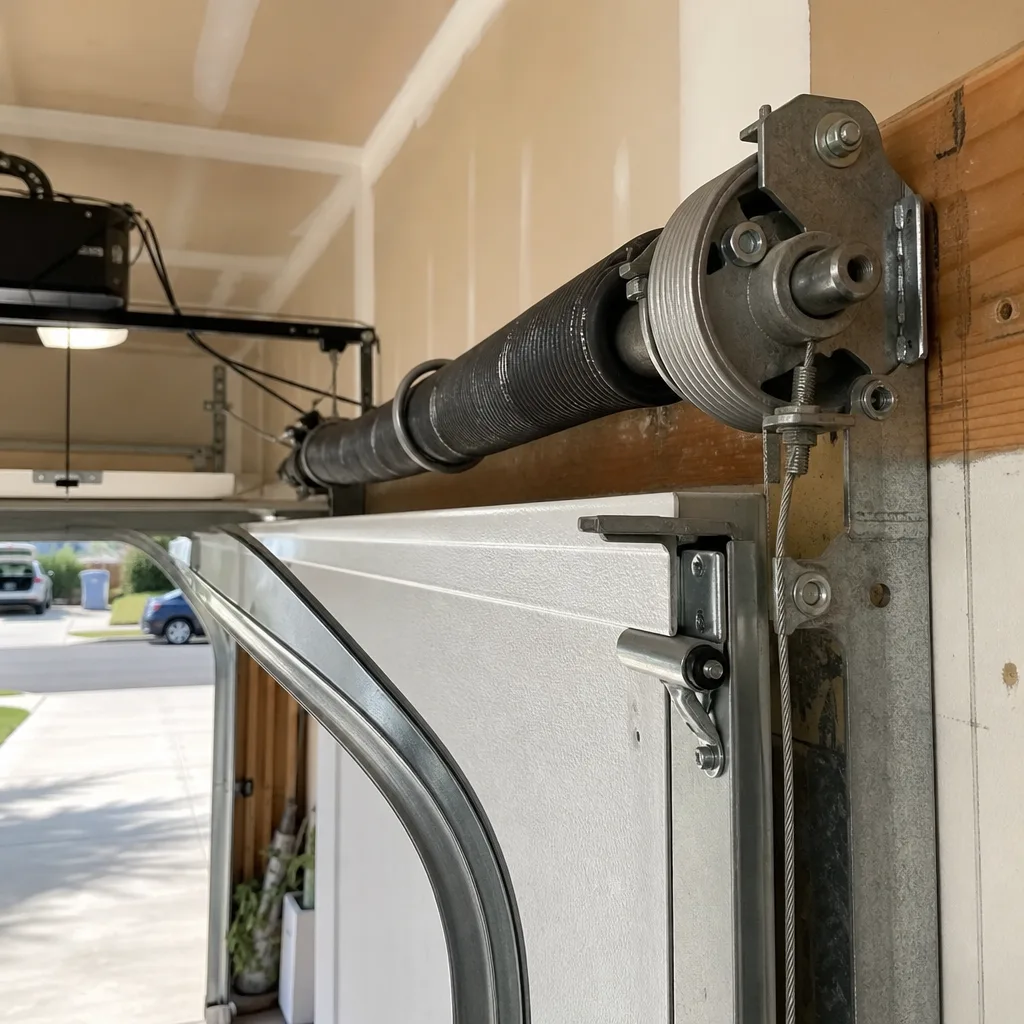
See the difference
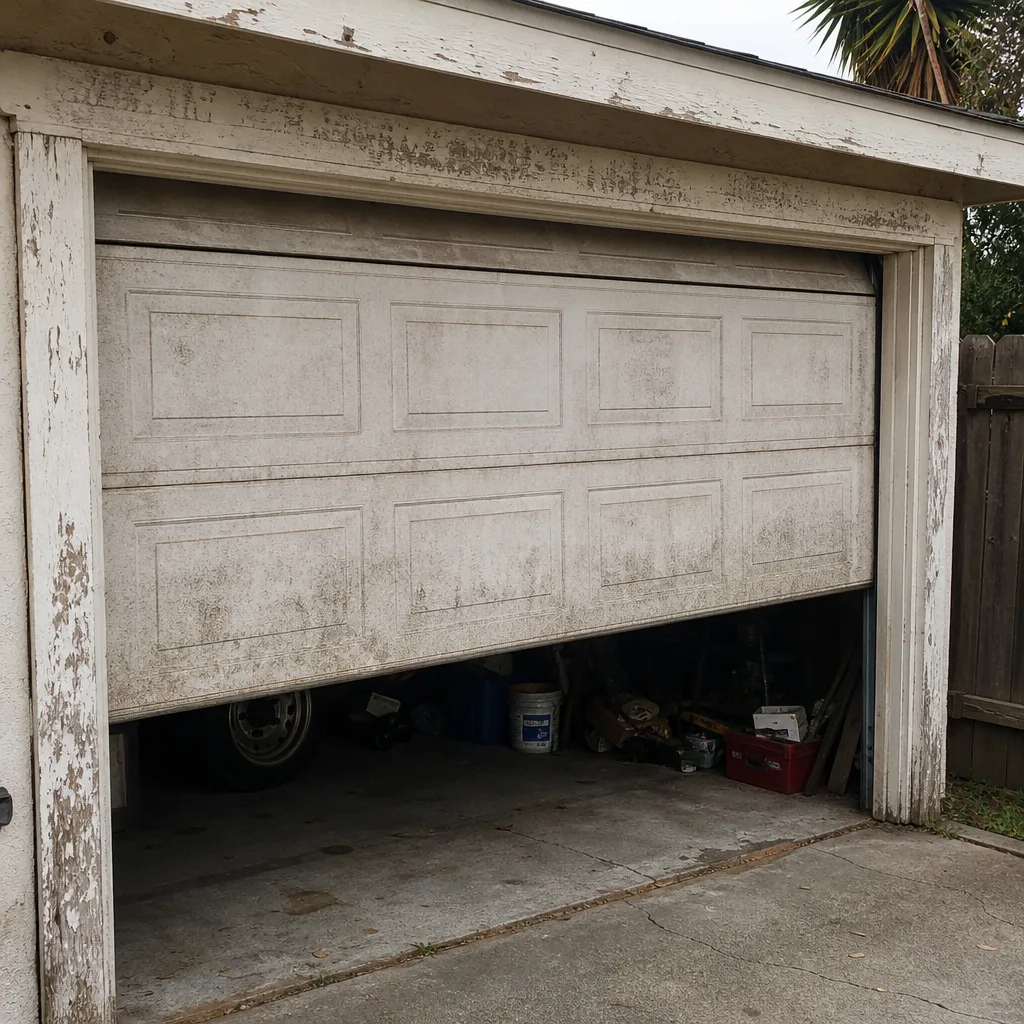 Before
 After
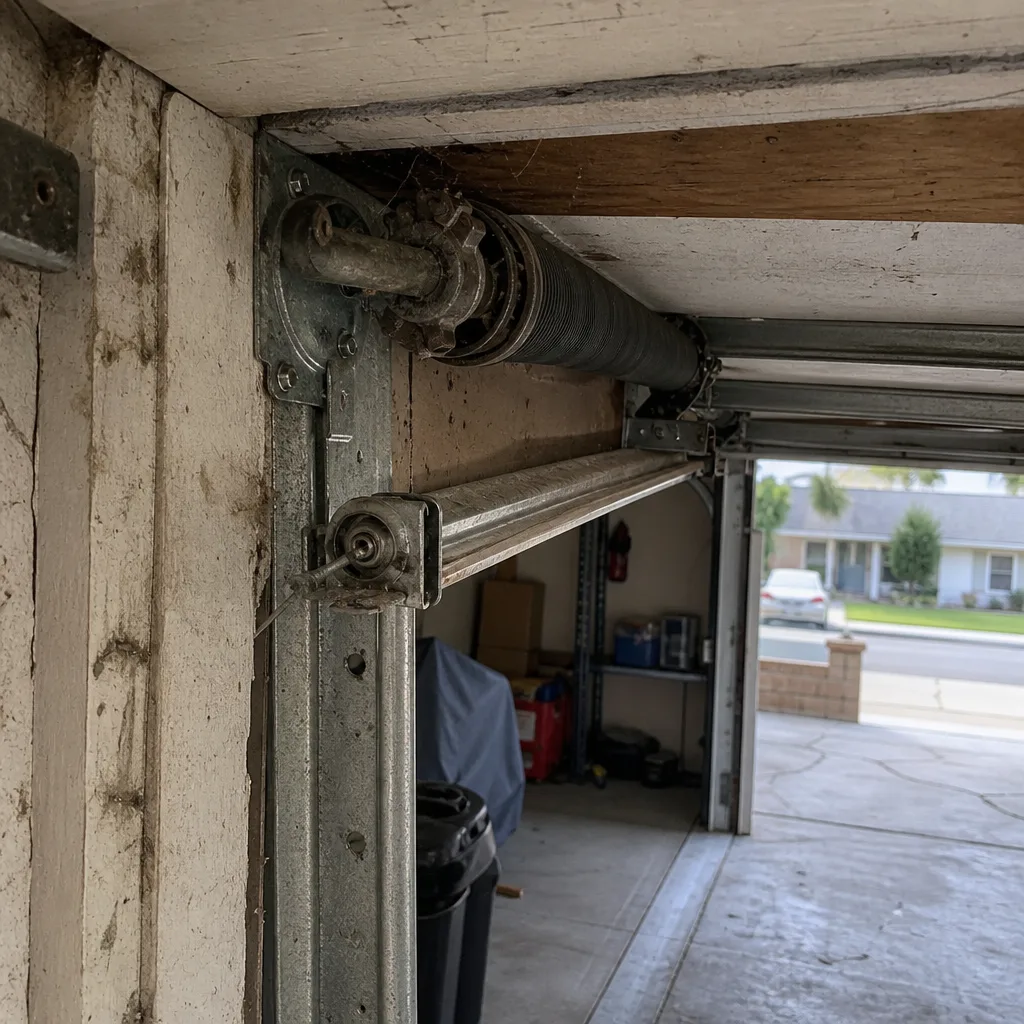 Before
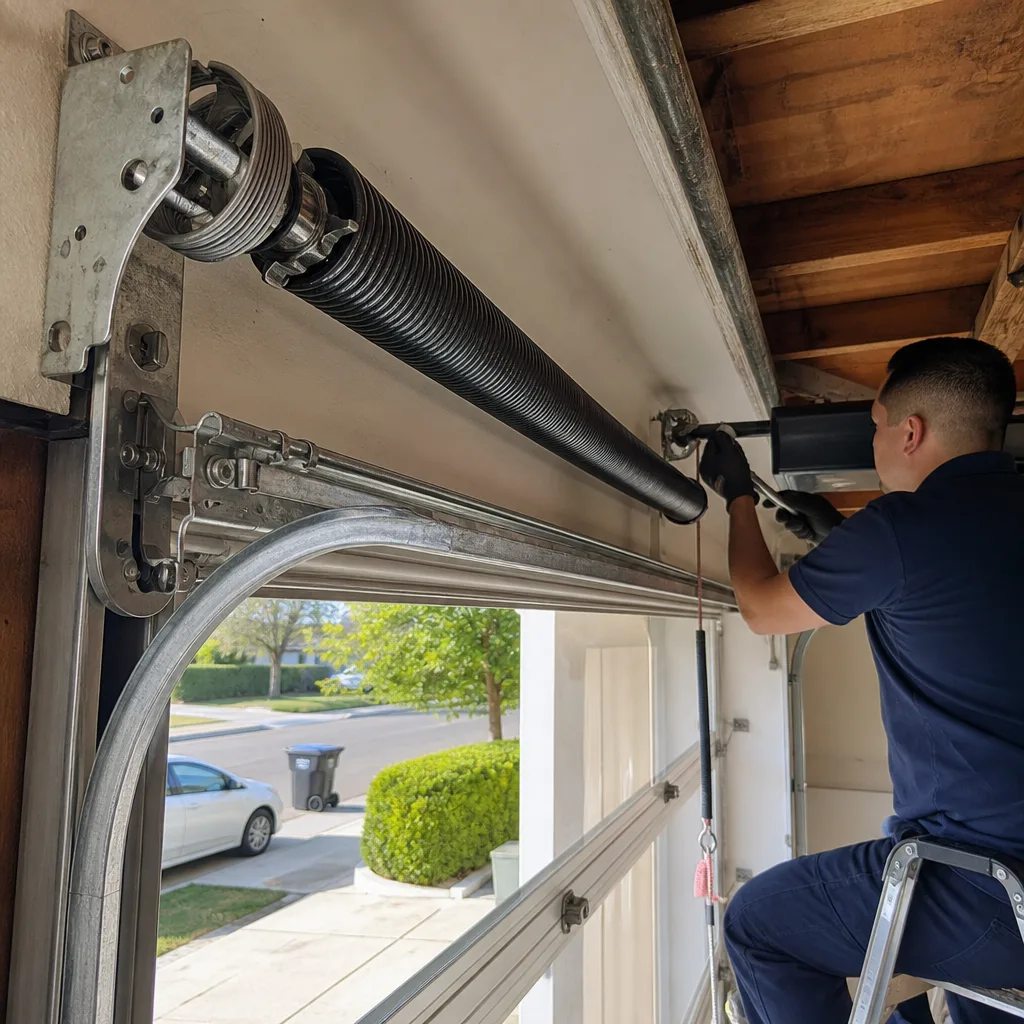 After
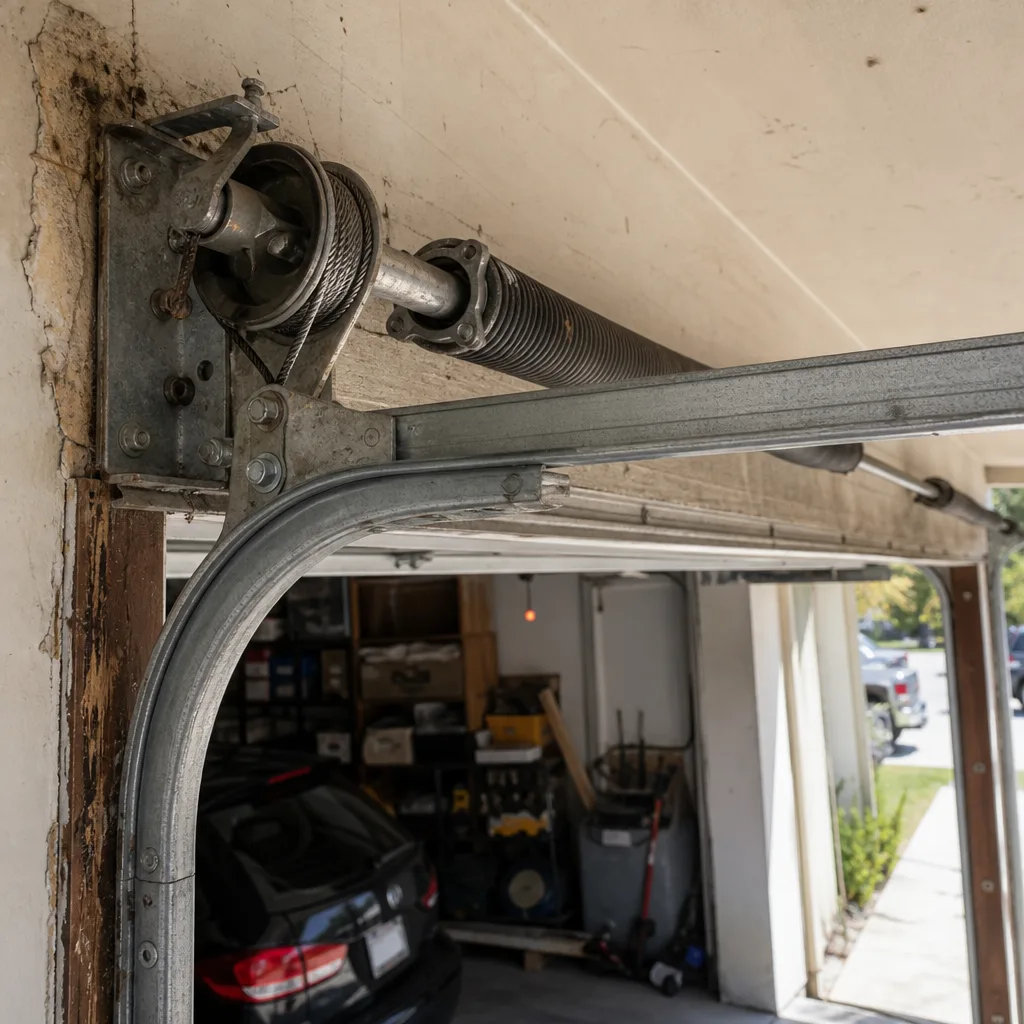 Before
 After