
Last updated October 30, 2026
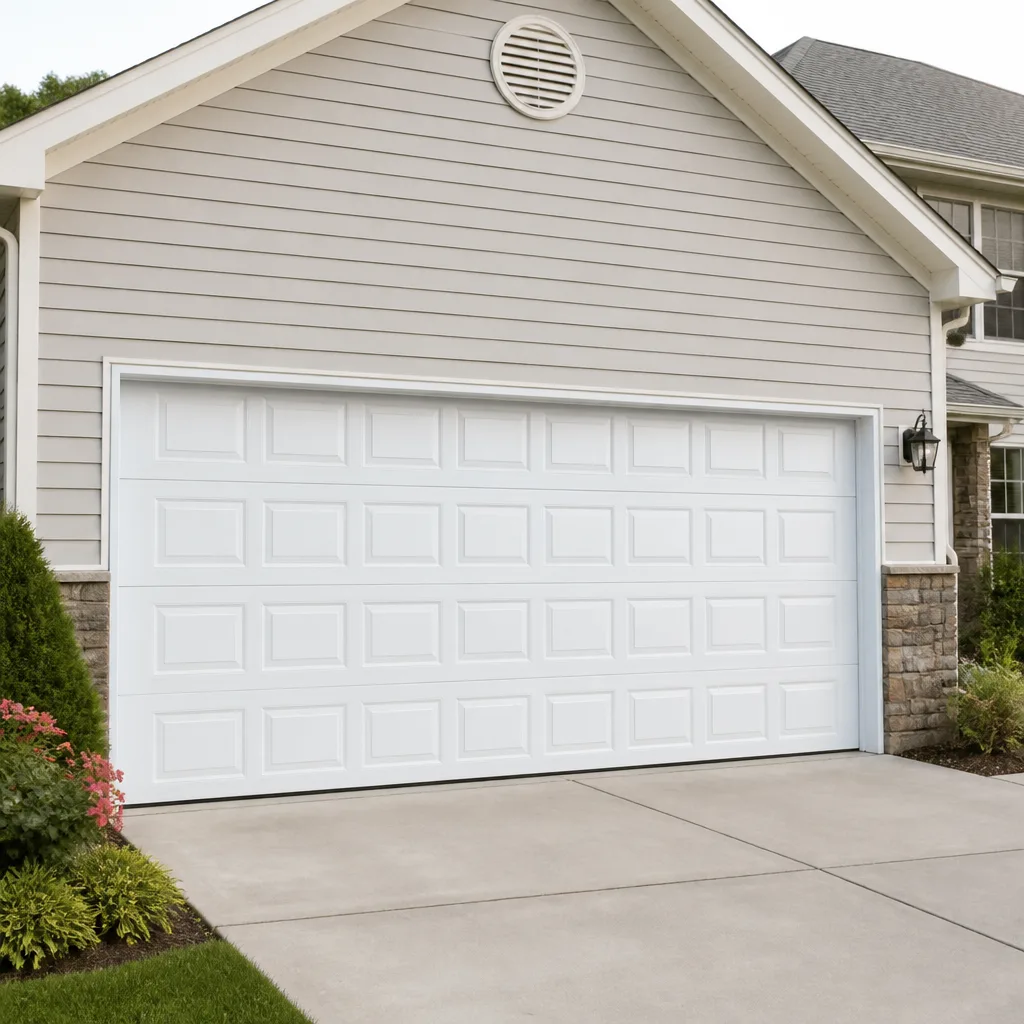 Raised-panel steel
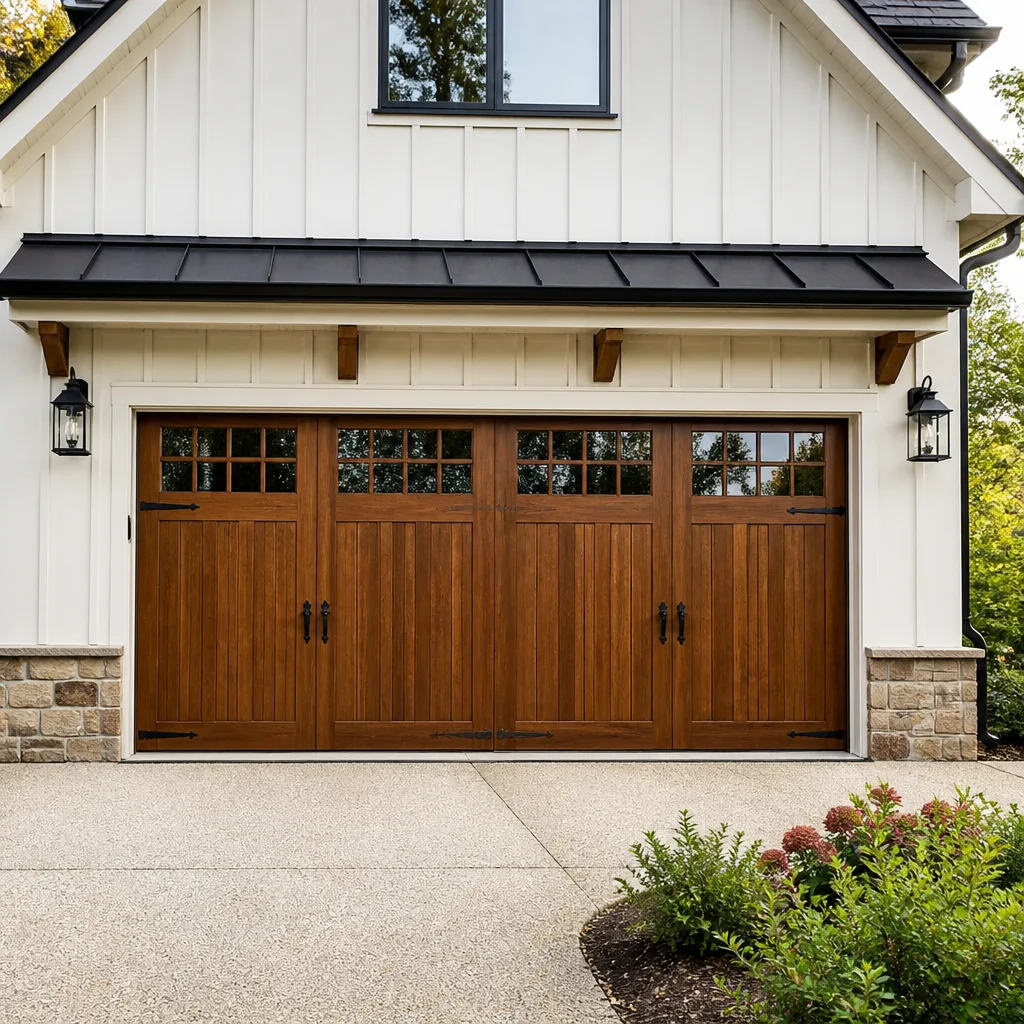 Carriage house
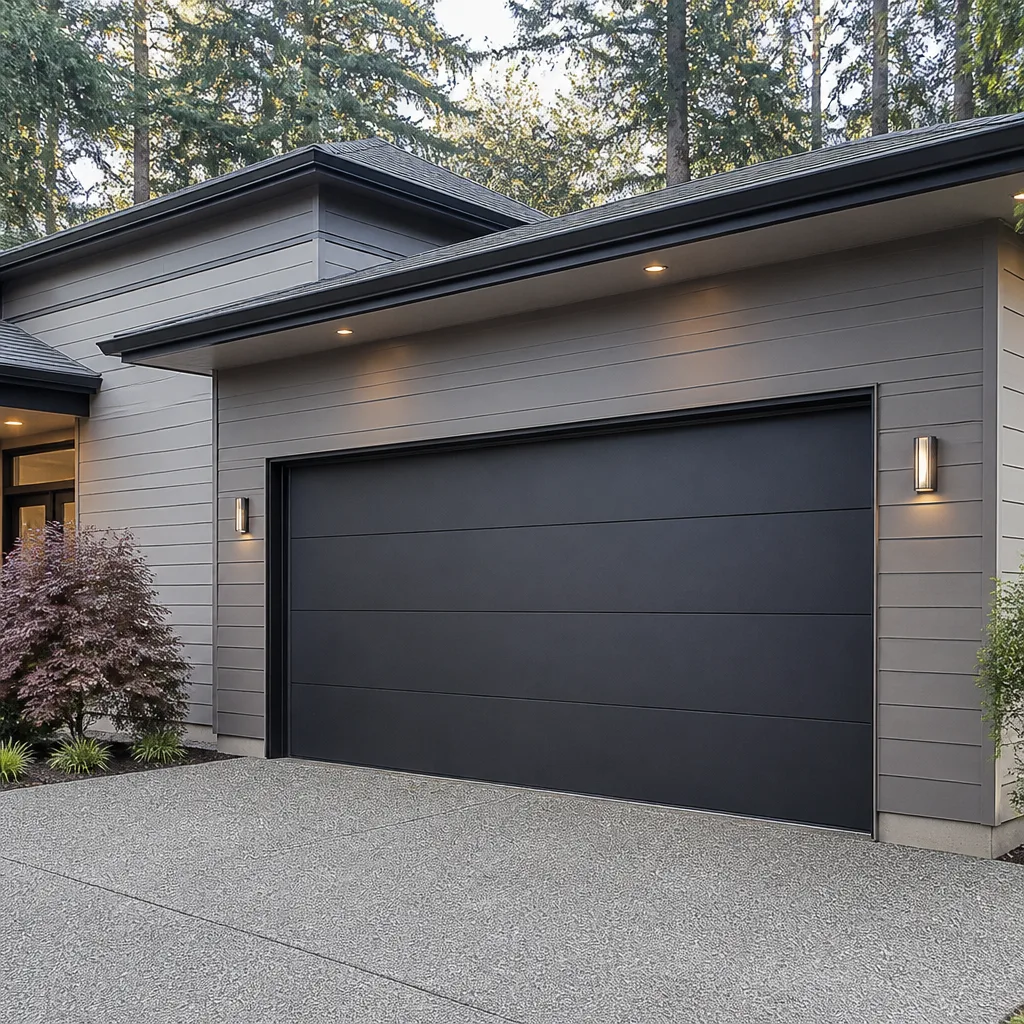 Modern flush
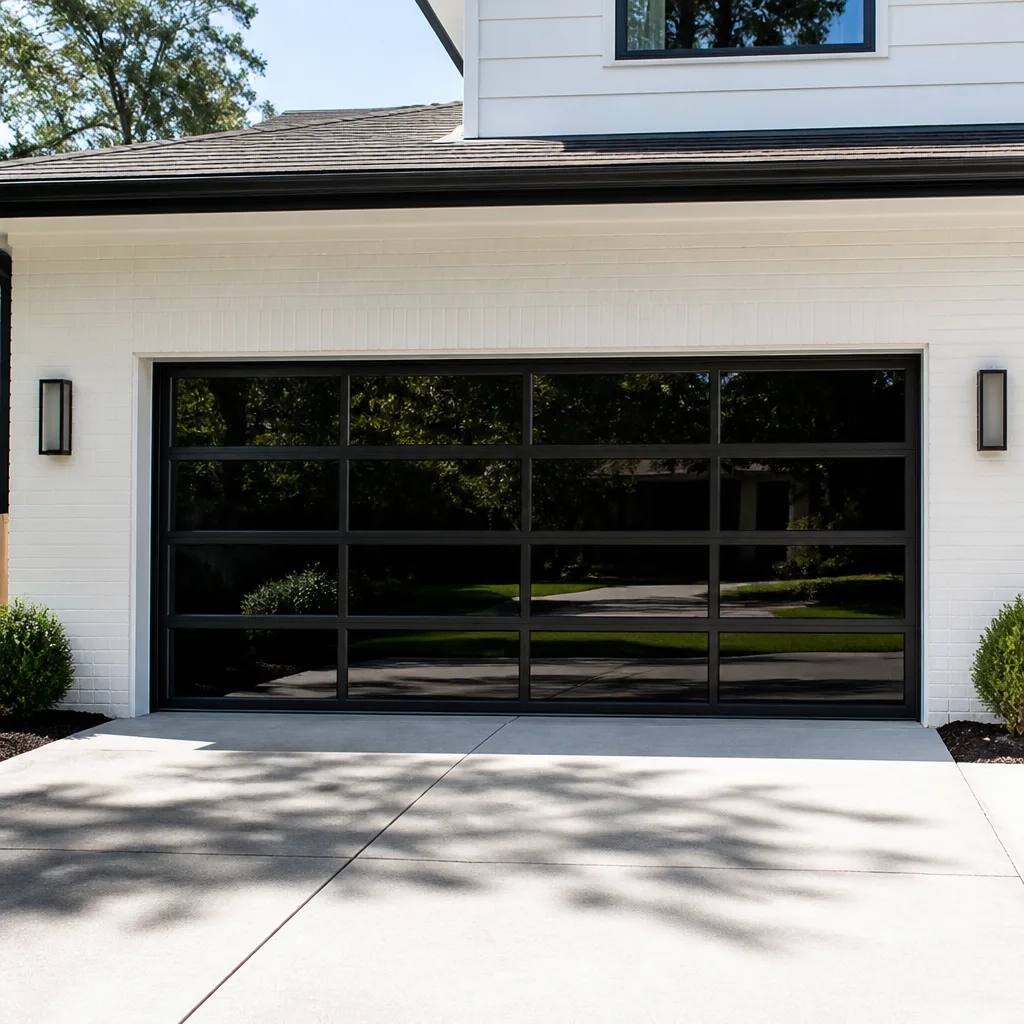 Full-view glass
 LiftMaster openers
 Chamberlain openers
Full 25-point door and opener safety check with every visit - springs, cables, rollers, tracks, and your LiftMaster or Chamberlain opener included
You get a price before we start. It does not change when the truck arrives.
Get your free estimateSeasonal Garage Door Care for Anaheim: Year-Round Homeowner’s Guide
Most garage door maintenance guides are written for places with snow, ice, and sub-zero winters. Anaheim doesn’t have those problems, but it has its own: Santa Ana winds that sandblast tracks and jam sensors, summer heat spikes that change how steel behaves, and the occasional wet winter that finds every rust-prone bolt on your door. If you’ve been following a generic seasonal checklist, you’ve been working on the wrong calendar. This guide explains what actually wears out garage doors in Anaheim, when it happens, and how to catch problems before they strand you in your driveway. For a deeper dive, see our The Complete Guide to Garage Door in Anaheim. We’ve condensed what we see on service calls across Anaheim into one year-round plan.
Styles & brands we work with
Quick Answer
Seasonal garage door care in Anaheim means shifting your maintenance focus with the local climate: inspect tracks, seals, and sensors before Santa Ana wind season in fall; check spring tension and lubrication before summer heat; focus on rust and drainage before the winter wet season; and do a full-system inspection each spring. Most homeowners can handle basic lubrication and debris clearing, but spring adjustment, cable inspection, and opener diagnosis are worth a professional look. For detailed repair guidance, check our The Complete Garage Door Repair Guide for Anaheim Homeowners. Call (833) 589-5745 for a free estimate in Anaheim.
Table of Contents
- Why Anaheim’s Climate Beats Up Garage Doors Differently
- Fall: Santa Ana Wind Prep for Tracks, Seals, and Sensors
- Winter: Rain Readiness for Anaheim’s Wet Season
- Spring: The Highest-ROI Maintenance Window of the Year
- Summer: Heat, Spring Tension, and Why Doors Feel Heavy in August
- How to Set a Recurring Service Schedule for Anaheim’s Actual Calendar
- Common Mistakes to Avoid
- When to Call a Professional
- Frequently Asked Questions
- The Bottom Line
Why Anaheim’s Climate Beats Up Garage Doors Differently
Anaheim sits in a semi-arid Mediterranean climate zone, which sounds gentle until you look at what it does to mechanical systems. The city gets roughly 13 inches of rain per year, almost all of it between November and March. Summer temperatures routinely push into the 90s, with occasional triple-digit spikes. And from September through November, Santa Ana winds barrel through the canyons at 40 to 60 miles per hour, carrying fine dust, sand, and airborne debris from the inland deserts.
Each of these conditions stresses a garage door in a specific way. Wind-driven grit works into tracks, rollers, and hinges, grinding away at metal surfaces and fouling photo-eye sensors. Heat cycles cause steel components to expand and contract, which shifts tension on torsion springs and loosens bolts over time. The rare but intense wet periods attack unprotected metal and saturate bottom seals that have been baked stiff by months of sun.
What this means in practice: an Anaheim garage door doesn’t fail from ice or snow, but it does fail from accumulated micro-damage that homeowners miss because the weather never looks extreme enough to cause harm. In our experience across the city, doors in East Anaheim near the foothills take more wind-driven abrasion than doors closer to the flatlands, but every neighborhood deals with heat and ultraviolet exposure. The key is matching your maintenance schedule to these stress cycles, not to a calendar written for Minneapolis or Chicago.
Fall: Santa Ana Wind Prep for Tracks, Seals, and Sensors
Santa Ana season is when we see the most “mystery” service calls in Anaheim: doors that worked fine in August suddenly refuse to close, openers that reverse mid-cycle, or grinding noises that seem to come out of nowhere. The culprit is almost always wind-driven debris.
During a Santa Ana event, dry air moves offshore at speeds that pick up fine particulates from the desert and blow them into every gap in your home’s exterior. For a garage door, that means the tracks, the weather stripping, the roller bearings, and most critically, the photo-eye sensors near the bottom of the door opening. A thin film of dust on a sensor lens is enough to make the opener think something is in the door’s path, causing it to refuse to close or reverse immediately after contact.
Here is a fall preparation sequence we recommend for Anaheim homeowners:
- Clean the photo-eye lenses on both sides of the door with a dry microfiber cloth. Do this after any significant wind event, not just once in fall.
- Inspect the vertical tracks for accumulated dust or grit, especially the lower third where wind-driven material settles.
- Check the bottom seal (the rubber strip along the floor edge of the door) for cracks, brittleness, or gaps where wind and dust can enter.
- Clean or replace weather stripping around the door’s sides and top. Santa Ana winds find every gap and push dust straight into your garage.
- Lubricate hinges and rollers after cleaning. Use a silicone-based lubricant, not WD-40, which attracts more dust.
- Test the auto-reverse function by placing a roll of paper towels in the door’s path. If the door doesn’t reverse on contact, it needs professional adjustment.
Track alignment is not a DIY fix, regardless of what a YouTube tutorial suggests. A track that has shifted by even a quarter inch puts uneven load on the door panels and the opener. If you notice the door wobbling or grinding during operation after a wind event, call for a professional track inspection rather than attempting to hammer it back into place. Garage doors store tension energy that can release violently if load-bearing components are mishandled.
This is also the time to think about debris entry points beyond the door itself. The gap between the garage floor and the bottom seal is the main vector for wind-blown dust, but side seals degrade too, especially on west-facing homes in Anaheim that take the brunt of afternoon sun. A door that seals tightly saves you from a garage full of dust and also reduces the load on your home’s HVAC system if you have an attached garage.
If you need help with track alignment, sensor cleaning, or seal replacement, our Garage Door Repair in Anaheim service covers all of these issues, and we diagnose problems on site so you know exactly what’s needed before any work starts.
Winter: Rain Readiness for Anaheim’s Wet Season
Anaheim winters are mild by most standards, but the city does get concentrated periods of rain that can expose weaknesses in any garage door system. The problem isn’t the volume of rain: it’s that the dry months leading up to winter have already baked and cracked the rubber components, so when water finally arrives, it finds a way in.
The first line of defense is the bottom seal or astragal. This is the U-shaped rubber or vinyl strip attached to the bottom edge of the door. After even one Anaheim summer, UV exposure starts to harden this strip. After two or three, it develops hairline cracks. When the winter rains come, water seeps under the door, puddles on the garage floor, and creates a humidity spike that accelerates rust on exposed metal components like tracks, hinges, springs, and opener rails.
Winter readiness steps for Anaheim:
- Inspect the bottom seal for cracking or flattening. If you can see daylight under the door when it’s closed, the seal needs replacement.
- Check the threshold (the strip mounted to the floor) for delamination or gaps at the ends. Threshold seals handle standing water that drains toward the garage door.
- Look for rust on springs, cables, hinges, and track brackets. Any surface rust should be addressed now, before the spring rainy season accelerates it.
- Verify drainage outside the garage door. If runoff pools against the door during rain, it will eventually work under the seal. Grading or a drain channel may be needed.
- Test the opener’s force settings during wet weather. Humidity can make wooden door panels swell, adding weight and making the opener work harder.
One thing specific to Anaheim homes built in the 1960s through 1980s: many of those garage doors are wood or wood-composite. Wood absorbs moisture, and after a rainy period, you may notice the door sticking or scraping. If that happens, don’t force it. The panels will often return to normal after drying, but persistent sticking can indicate a hinge or track problem that needs professional attention.
If rust has already started on load-bearing components like torsion springs or cables, that’s a safety issue, not a cosmetic one. Rusted springs can snap without warning, and rusted cables can break under tension. The spring system on a garage door is under extreme load and should only be serviced by a trained technician. Garage Door Opener Repair in Anaheim also comes into play during wet months: moisture can interfere with the logic board, sensors, and wiring connections on openers, especially older models or units mounted in non-insulated garages.
Spring: The Highest-ROI Maintenance Window of the Year
If you do one maintenance task per year, do a spring inspection. The reasoning is simple: by March or April, your door has survived Santa Ana season and the winter rains. Any damage those periods caused is now visible. Catching it early means fixing a hinge or replacing a seal before it becomes a snapped spring or a burned-out opener motor.
A spring inspection also sets you up for summer, when heat-related issues become the primary failure mode. If you address minor problems in April, you reduce the odds of a door failure in August, when an unopenable garage door means a car baking in the Anaheim sun while you’re late for work.
Here is our recommended spring inspection sequence:
- Open and close the door manually (using the release cord) and listen for grinding, scraping, or squealing. Any noise that wasn’t there before indicates a lubrication or alignment problem.
- Inspect all moving parts visually. Look at hinges, rollers, cables, and springs. Check for frayed cables, cracked rollers, or rust.
- Test the balance. Disconnect the opener and lift the door halfway manually. A properly balanced door stays in place. If it sinks or rises, the springs need adjustment.
- Clean tracks and rollers with a dry cloth, removing any dust or grime accumulated over winter.
- Lubricate hinges, rollers, and springs with a silicone-based spray, wiping away excess.
- Test the auto-reverse feature and the photo-eye sensors.
- Check all bolts and fasteners. Thermal cycling works bolts loose, and a loose bolt on a bracket creates vibration that accelerates wear.
Balance testing deserves emphasis. A door that has become unbalanced over winter puts disproportionate stress on the opener and the spring system. The door may work fine for months with a slight imbalance, then fail suddenly when a component gives out. If your door doesn’t hold position at the halfway point, call a professional for spring adjustment. Torsion spring replacement in Anaheim should always be left to a trained technician, because the tension involved can cause severe injury if released improperly.
Spring is also the season when many homeowners notice their door and opener are simply getting old. If your system is over 15 years old and you’re spending more than $300 per year on repairs, it may be time to look at replacement. Our Garage Door Installation in Anaheim service starts with an honest assessment: sometimes we tell homeowners the repair is worth doing, and sometimes we tell them the door has served its time. Repair or replace – we’ll tell you which one actually makes sense, not which one pads the invoice.
Summer: Heat, Spring Tension, and Why Doors Feel Heavy in August
Every August, Anaheim homeowners call us with the same complaint: “My door worked fine all year, and now it feels heavy and the opener struggles.” The door hasn’t broken. It has undergone a predictable physical change caused by heat.
Garage door torsion springs are made of high-carbon steel. When metal heats up, it expands and its modulus of elasticity changes slightly. In an enclosed Anaheim garage in August, ambient temperatures can reach 110°F or higher, especially in attached garages with no ventilation. The springs get hot, the metal expands, and the effective tension shifts. A door that was perfectly balanced in March can feel noticeably heavier in August, and the opener has to work harder to compensate.
Add to that the effect of heat on lubricants. Silicone sprays and greases thin out in high temperatures, running off the bearings and hinges they’re meant to protect. Metal-on-metal contact increases friction, which makes the door harder to move and generates more heat in the process. It’s a self-reinforcing cycle.
What you can do in summer:
- Lubricate more frequently. Check rollers and hinges monthly during the hottest months, adding silicone spray when movement feels dry.
- Keep the garage ventilated. Even a small vent or leaving the pedestrian door cracked during peak heat reduces the internal temperature and slows the degradation of springs, cables, and opener components.
- Listen for changes in opener pitch. A motor that sounds strained is working harder than it should. Don’t ignore it.
- Check spring tension visually. Look for gaps in the spring coils. If a spring has broken, do not try to open the door. Call a professional immediately.
- Avoid closing the door on a hot day and then immediately opening it repeatedly. Heat cycling accelerates metal fatigue on springs and cables.
One thing we’ve seen in Anaheim specifically: homes near the Santa Ana River and along the 91 corridor tend to have warmer garage microclimates because of reduced shade and more exposure to reflected heat from pavement. If your home is in North Anaheim or the Platinum Triangle, your garage may run 5 to 10 degrees hotter than a similar home in a tree-shaded neighborhood east of the 57. That extra heat translates directly to faster wear on rubber and plastic components.
Summer is also the time when openers fail most often. Heat is hard on capacitor-based motor systems and circuit boards. If your opener is more than 10 years old and starts exhibiting intermittent behavior in hot weather – sometimes opens, sometimes doesn’t, sometimes reverses for no reason – the heat is likely pushing an aging component over the edge. We work on openers across Legacy LiftMaster, Chamberlain, Genie, and other major brands, and we can usually diagnose the difference between a failing logic board and a simple sensor issue in one visit. If you’re weighing brands for a new install, read our Choosing the Right Garage Door Brand: A Buyer’s Guide for Anaheim.
How to Set a Recurring Service Schedule for Anaheim’s Actual Calendar
Most national garage door maintenance plans are built around four seasons: winterize in fall, de-ice in winter, clean in spring, tune in summer. For Anaheim, that model is mostly irrelevant. We recommend a three-point calendar tied to the city’s actual weather patterns:
- September (pre-Santa Ana): Full debris and seal inspection. Clean sensors, inspect tracks, replace worn stripping. This is the most important service of the year for preventing wind-related failures.
- March (post-rain): Full system inspection with balance test, lubrication, and rust check. Address any moisture damage from the winter wet season before it compounds.
- July (mid-summer): Quick lubrication check and opener performance assessment. Catch heat-related strain before it becomes an August emergency.
This three-visit model costs less than the national quarterly plan and catches the failure modes that actually happen in Anaheim. If you prefer to handle lubrication and sensor cleaning yourself, you can compress this to one professional inspection per year in September, plus DIY maintenance in March and July.
The important thing is to have a schedule at all. From what we see on service calls, most Anaheim homeowners have no maintenance routine for their garage door. It gets attention when it breaks, and by then, the repair is more expensive than the preventive fix would have been. A broken torsion spring, for example, is typically a $200 to $400 repair in Anaheim. The annual inspection that would have caught the spring’s wear earlier costs a fraction of that.
Here’s what our recurring service customers in Anaheim tell us after their first year: the door operates more quietly, the opener stops making odd noises, and the dust level inside the garage drops noticeably. None of that is surprising when you consider what regular cleaning and seal replacement do. The surprise is how many years they went without it.
Porter Garage Door is a garage door specialist. Not a general contractor, not a handyman service. We work on all eight major door and opener brands – including Clopay, Amarr, and Wayne Dalton doors, and Genie, LiftMaster, and Chamberlain openers – which means we diagnose the specific system in your garage rather than applying generic fixes. From the spring to the smart opener, if it’s part of your garage door, we handle it. Porter Garage Door home has the full scope of what we do.
Common Mistakes to Avoid
- Following a Midwestern maintenance calendar. If your routine includes “preparing for snow,” you’re wasting effort. Anaheim’s stress cycles are wind, heat, and occasional rain. Match your maintenance to those.
- Using WD-40 on moving parts. WD-40 is a degreaser and water displacer, not a lubricant for high-friction metal components. It actually strips away the protective film on rollers and hinges, inviting rust. Use a silicone-based lubricant instead.
- Ignoring a noisy door. Squealing, grinding, or rattling is never normal, and it doesn’t fix itself. Noise is the earliest signal of a wear problem, and catching it early costs less than catching it late.
- Forcing a door that’s stuck. If the door won’t open or close, pulling harder or using the opener to muscle through resistance is how cables snap and panels bend. Figure out what’s stuck first.
- Adjusting springs or cables without professional training. The torsion spring on a standard residential door is under hundreds of pounds of tension. When it releases, the energy can throw tools and fragments with lethal force. This is not a YouTube project.
- Replacing the opener before diagnosing the door. When a garage door system fails, homeowners often assume the opener is the problem. In our experience, it’s just as often the door itself: a broken spring, a misaligned track, a binding roller. Replacing a perfectly good opener doesn’t fix a bad spring.
- Neglecting the bottom seal until it’s visibly gone. A bottom seal that looks intact but has hardened and cracked is already failing. You won’t notice until the first rain, and by then, water has been sitting against your door hardware for hours.
When to Call a Professional
Some garage door work is safe for a careful homeowner: cleaning sensors, lubricating hinges, trimming vegetation away from tracks, and testing the auto-reverse function. Other work is not safe at all. If your door has a broken spring, a frayed or snapped cable, a bent track, or a panel that has come off its rollers, stop using the door immediately and call a professional. Trying to operate a door with a compromised spring or cable system can result in serious injury.
Also call a professional if your door is consistently noisy after lubrication, if the balance test fails, if the opener makes grinding sounds, or if the door reverses partway through closing. These are signs of issues that will worsen with use. Porter Garage Door offers free estimates in Anaheim – call (833) 589-5745, and we’ll diagnose the problem on site and give you a written price before any work begins. Garage doors are all we do, and fast diagnosis with the right parts is the point.
Frequently Asked Questions
Lubricate the rollers, hinges, and springs every three months during normal weather, and monthly during Santa Ana season and heat spikes. Dry, dusty conditions strip lubricant faster than humid climates. Use a silicone-based spray and wipe away excess to avoid attracting grit.
Yes. Wind-driven dust and sand accumulates on photo-eye sensors, causing the opener to refuse to close or reverse unexpectedly. Fine grit also works into rollers and hinges, accelerating wear. After any significant Santa Ana event, wipe down the sensor lenses and check the tracks for debris. Call (833) 589-5745 if your door stops closing correctly after a wind event.
Typical repairs in Anaheim run from $125 for minor adjustments and sensor alignment to $400 or more for torsion spring replacement or opener logic board replacement. The specific price depends on the brand, the extent of the damage, and whether parts are readily available. Porter Garage Door gives you a written quote before any work starts, so the number you’re quoted is the number you pay. Call (833) 589-5745 for an exact estimate – estimates are free.
No. Torsion springs are under extreme tension and can cause severe injury or death if released improperly. The tools required for safe spring replacement are specialized, and the technique is not something a weekend DIYer can safely learn from a video. This is a job for a professional, no exceptions.
High ambient heat in your garage changes the physical properties of the torsion springs, shifting spring tension and making the door feel heavier. Heat also thins lubricants, increasing friction. If your door feels noticeably heavier in summer, have the balance checked and the springs evaluated. A door that works fine in March but struggles in August is showing early signs of spring wear.
We work on LiftMaster, Chamberlain, Genie, Clopay, Amarr, Wayne Dalton, Craftsman, and Raynor systems. We’re brand-fluent across all eight, which means we diagnose the specific system already in your garage rather than guessing at parts. If you’re considering an upgrade, we can also help you stay within the same manufacturer family for simpler maintenance down the road.
The Bottom Line
Anaheim garage doors don’t fail because of cold weather. They fail because wind, heat, and occasional rain create wear patterns that accumulate silently over months. The fix is a maintenance calendar that matches the local climate: clean and seal before Santa Ana season, inspect and balance after the winter rains, and monitor lubrication and spring tension through the summer heat. A thoughtful homeowner can handle the basics, but spring adjustment, cable inspection, and any structural issue belong with a professional. Porter Garage Door offers free estimates in Anaheim. Explore more guides & resources on our blog. Call (833) 589-5745 to schedule an inspection, and get your door on the right calendar.
Written by the team at Porter Garage Door, serving Anaheim since 2015.
See the difference
 Before
 After
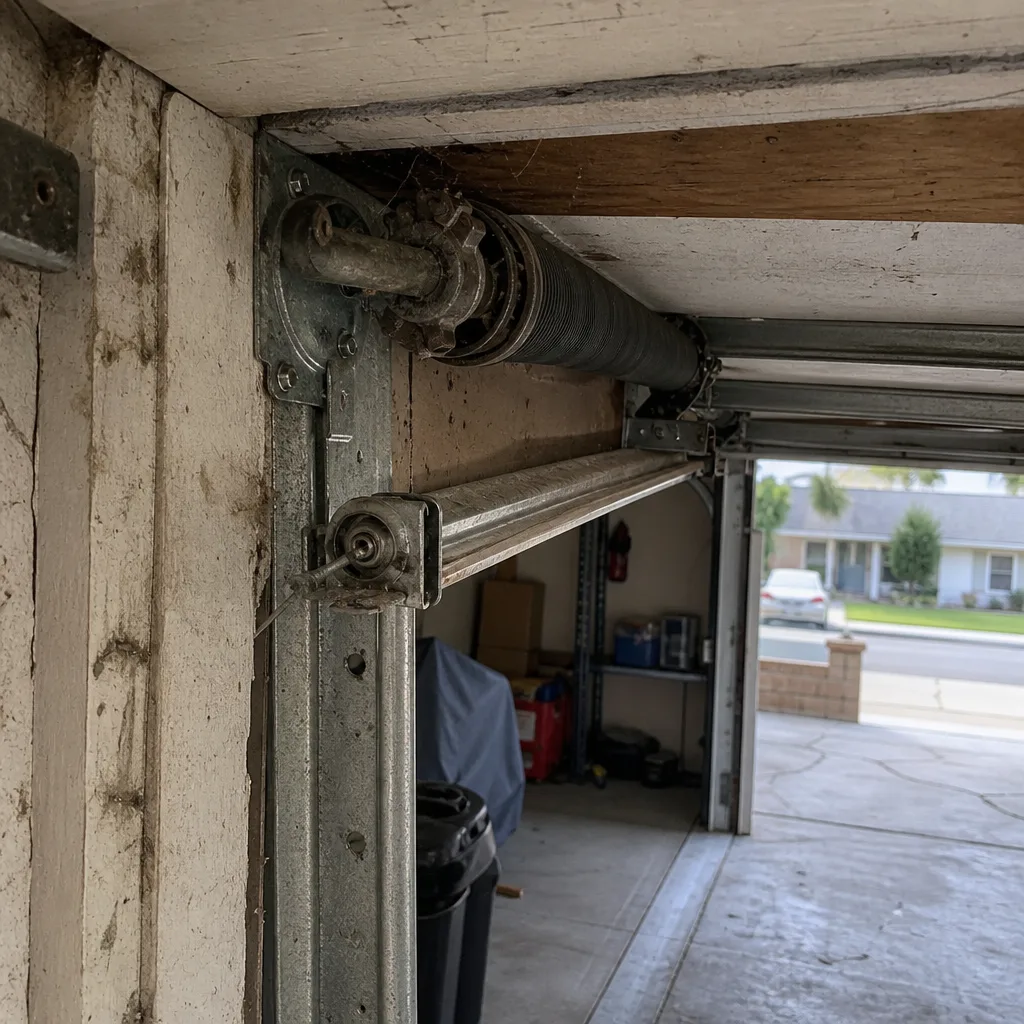 Before
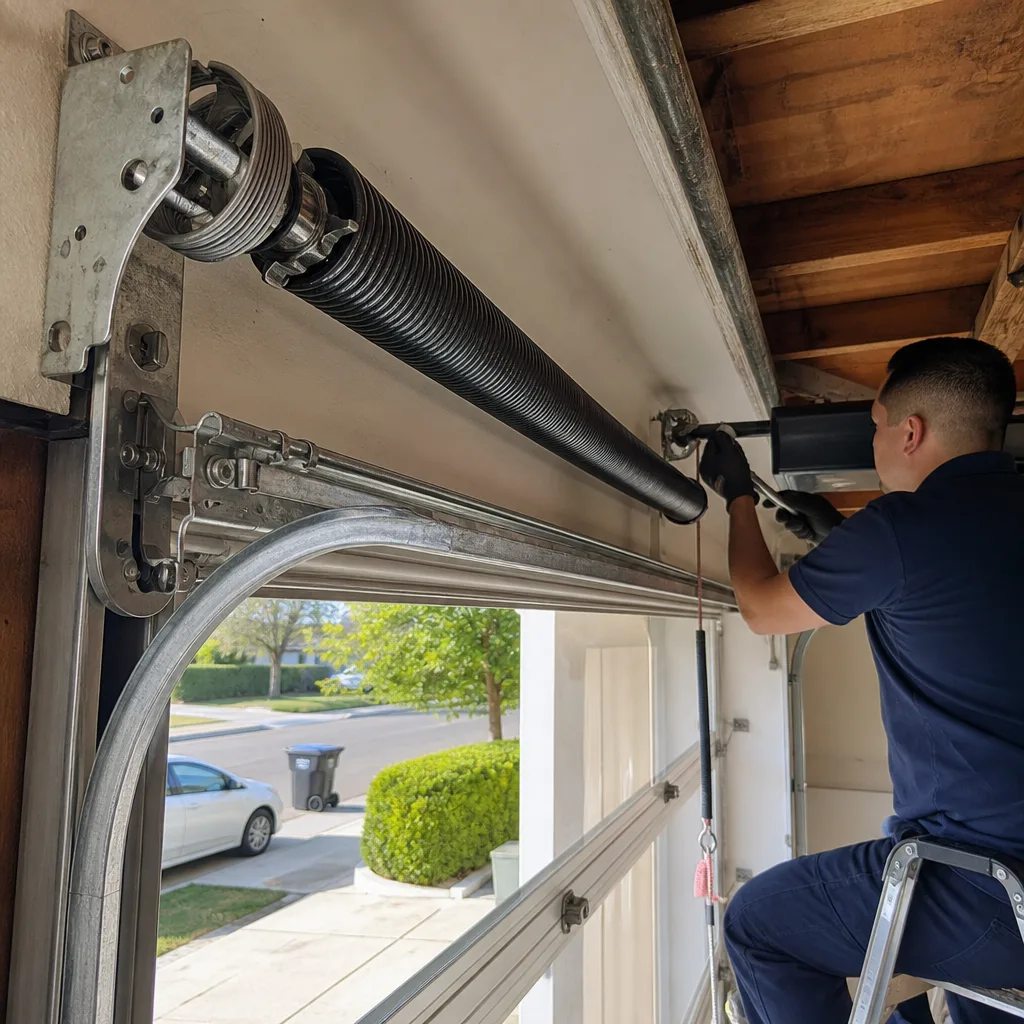 After
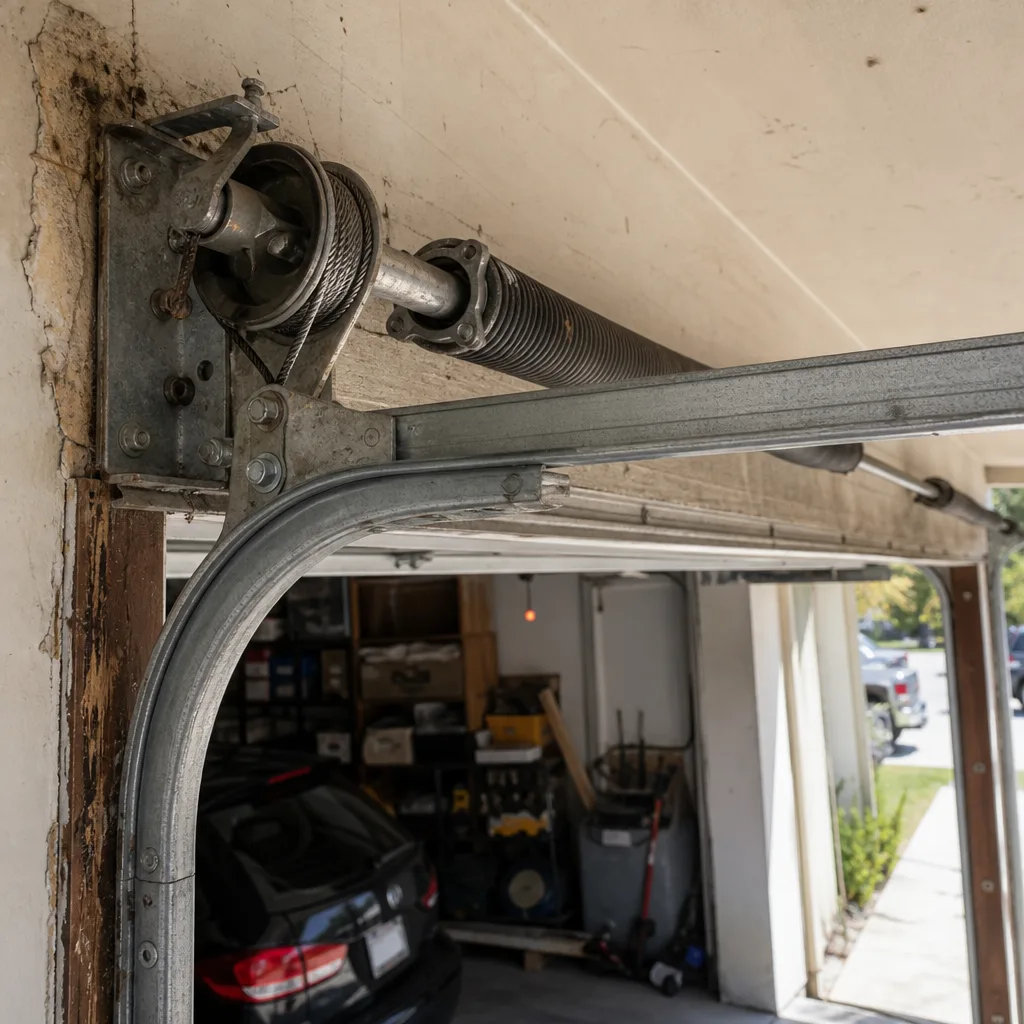 Before
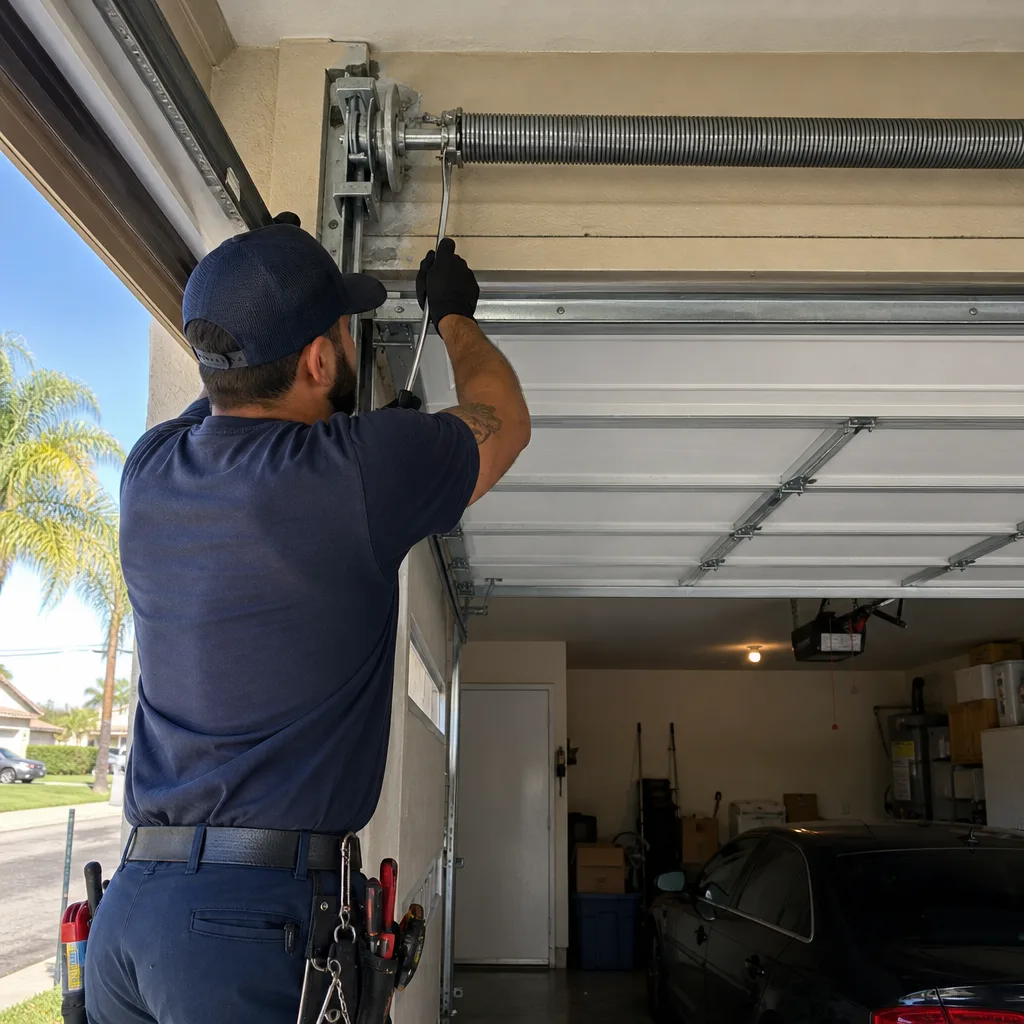 After